


Alison
A difficult labour left Alison with a uterine and vaginal wall prolapse. A keyhole sacrohysteropexy with Mr Broome lifted the uterus back into place and let her go on to have a healthy second baby.
Read more
Conditions & Treatments
Urge incontinence is a sudden, powerful need to pass urine that is hard to put off, often with leaking before you reach the toilet. Left unaddressed it can shape journeys, sleep and social life around the location of the nearest bathroom.
At The Pelvic Clinic, Mr Broome gives you an unhurried appointment, a clear diagnosis and a treatment plan built around your symptoms — from bladder retraining and medication through to expert specialist procedures.
Book an Appointment
Overview
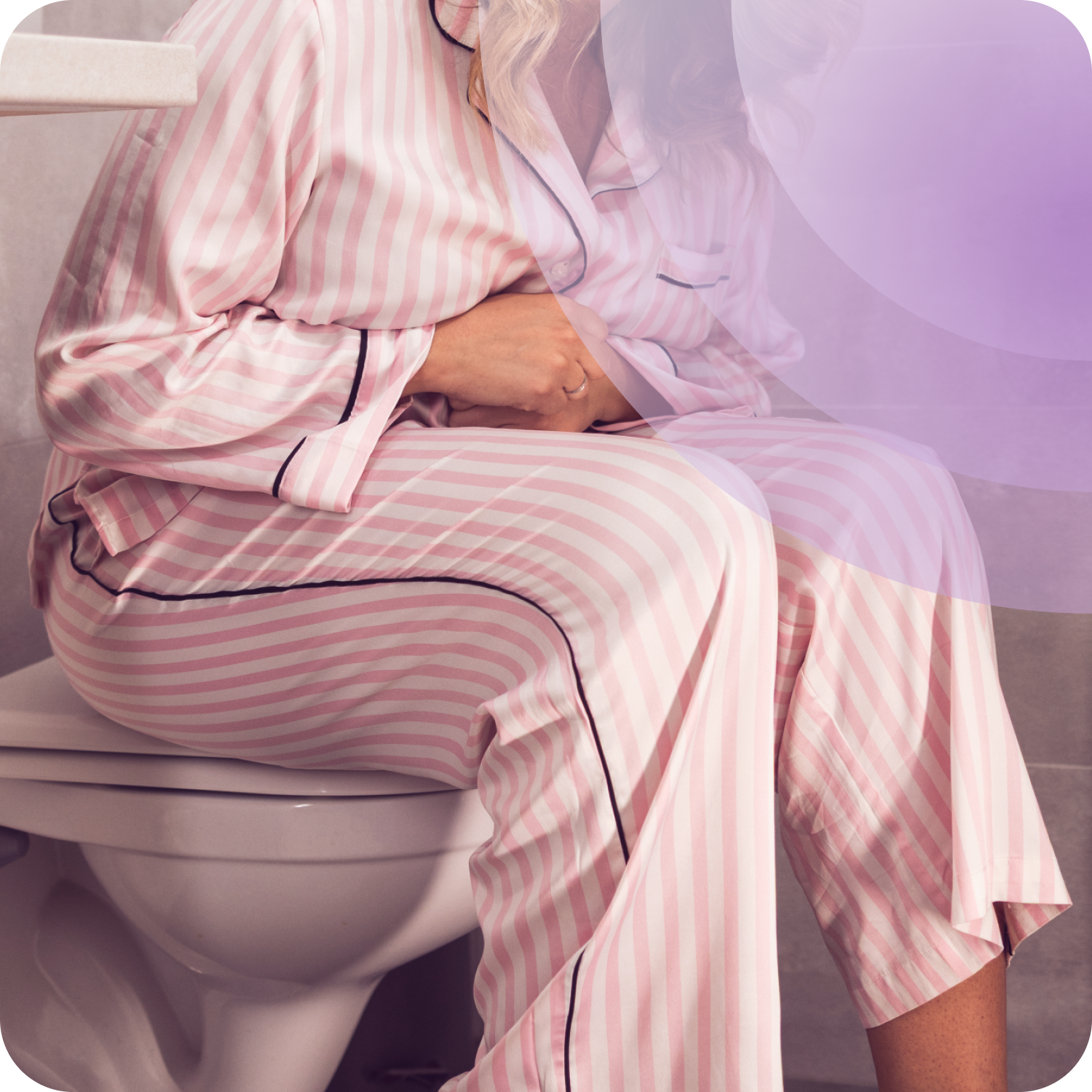
Urge incontinence, sometimes called an overactive bladder, is a common condition in which the bladder muscle contracts before it is full. This creates a sudden, powerful need to pass urine that can be difficult to put off, and often results in leaking before you reach the toilet.
It affects millions of women in the UK and becomes more common with age, but it is not an inevitable part of getting older. With the right diagnosis and treatment plan, symptoms can be significantly improved.
What to Look For
The need comes on quickly and is very hard to put off, even when the bladder is not full.
Urine escapes on the way to the bathroom, sometimes in large amounts rather than just a few drops.
Passing urine more than eight times in the day, or getting caught out by how frequently the urge arrives.
Being woken one or more times a night by the need to go, leaving sleep broken and unrefreshing.
Certain sounds, temperatures or arriving home and putting the key in the door can set the urge off.
Mapping out journeys, avoiding social events or long meetings because of the fear of not making it in time.
Urge incontinence should never be dismissed as “just part of getting older”. Effective treatment is available at any age.
What Causes It
Urge incontinence can have several overlapping causes, from an overactive bladder muscle to nerve signalling problems, lifestyle factors and hormonal changes.

The bladder wall muscle contracts before the bladder is full, sending strong urge signals to the brain even when there is little urine present.
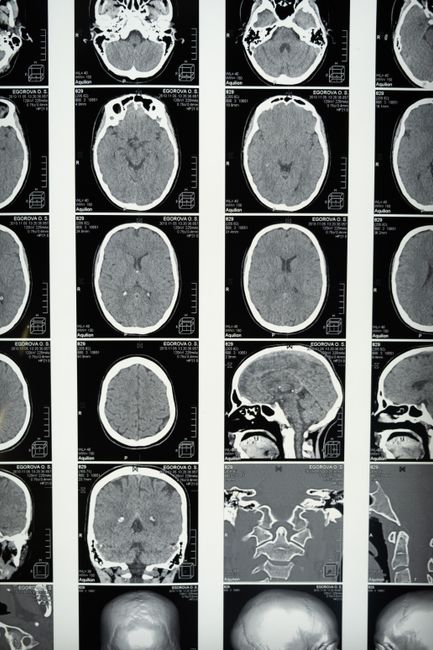
Miscommunication between the bladder and the nerves that control it can produce urgency, frequency and leaks that are hard to hold back.

Urinary tract infections, caffeine, alcohol, fizzy drinks and some medications can irritate the bladder lining and worsen urge symptoms.

Falling oestrogen levels, childbirth or previous pelvic surgery can weaken the pelvic floor and change how well the bladder holds urine.
Treatments Available
From bladder retraining and medication to modern specialist procedures, we start with the least invasive option that will work for you.
A structured programme that gradually extends the time between visits to the toilet. Most women see meaningful improvement within six to twelve weeks.
Well-tolerated tablets calm an overactive bladder and reduce urgency, frequency and leaks. We tailor the choice to your symptoms and general health.
A small dose of botulinum toxin injected into the bladder wall relaxes the overactive muscle. A day-case procedure that lasts around six to nine months.
PTNS or sacral neuromodulation gently stimulates the nerves that control the bladder. A specialist option for women whose symptoms have not responded to simpler measures.


About Mr Broome
Mr Jonathan Broome (MBChB, MRCOG) is a Consultant Gynaecologist known locally and nationally for treating pelvic floor disorders such as urinary incontinence and prolapse, alongside heavy or painful periods, endometriosis, fibroids and menopausal problems. He founded The Pelvic Clinic to give women the time, care and clear answers their symptoms deserve.
In Our Patients’ Words
Verified reviews from patients seen by Mr Broome, shared through Doctify.
Real Patient Journeys
A snapshot of the kinds of results we see for women treated for urge incontinence at The Pelvic Clinic.
A difficult labour left Alison with a uterine and vaginal wall prolapse. A keyhole sacrohysteropexy with Mr Broome lifted the uterus back into place and let her go on to have a healthy second baby.
Read more
Years of flooding periods and iron-deficiency anaemia caused by fibroids. A keyhole myomectomy with Mr Broome removed the fibroids, restored Jane’s iron levels within three months and brought her cycle back to normal.
Read more
Kate had been living with severe pelvic pain from endometriosis for over a decade. Laparoscopic excision surgery with Mr Broome removed the deposits and she returned to work and regular exercise pain-free.
Read more
After menopause Kaye developed a bothersome vaginal vault prolapse that stopped her running and swimming. A laparoscopic sacrocolpopexy with Mr Broome resolved the symptoms and she is back to daily exercise.
Read moreCommon Questions
Answers to the questions patients ask most often about urge incontinence, diagnosis and treatment at The Pelvic Clinic. If your question is not here, please get in touch — we are happy to help.
Diagnosis starts with an unhurried conversation about your symptoms, a bladder diary and a urine sample to rule out infection. If needed, we arrange bladder scans or urodynamic testing to see exactly how your bladder is behaving.
Bladder retraining is a structured programme that gradually extends the time between visits to the toilet, helping the bladder to hold more comfortably and reducing sudden urges.
Yes — several well-tolerated medications calm an overactive bladder and reduce urgency, frequency and leaks. We take time to explain the options and choose one that suits you.
Where symptoms persist, treatments such as bladder Botox injections, nerve stimulation (PTNS or sacral neuromodulation) and other specialist procedures can be very effective.
Often, yes. Reducing caffeine, alcohol and fizzy drinks, keeping fluid intake sensible and doing pelvic floor exercises can significantly improve urge symptoms.
Self-pay and insured patients can usually be seen within a week or two — often much sooner than the NHS wait for a specialist opinion.
No. Stress incontinence is leaking when you cough, laugh or exercise. Urge incontinence is a sudden, powerful need to pass urine. Some women have both, and treatment is tailored accordingly.
It becomes more common with age, but it is not an inevitable part of getting older and it should never be dismissed as such. Effective treatment is available at any age.