
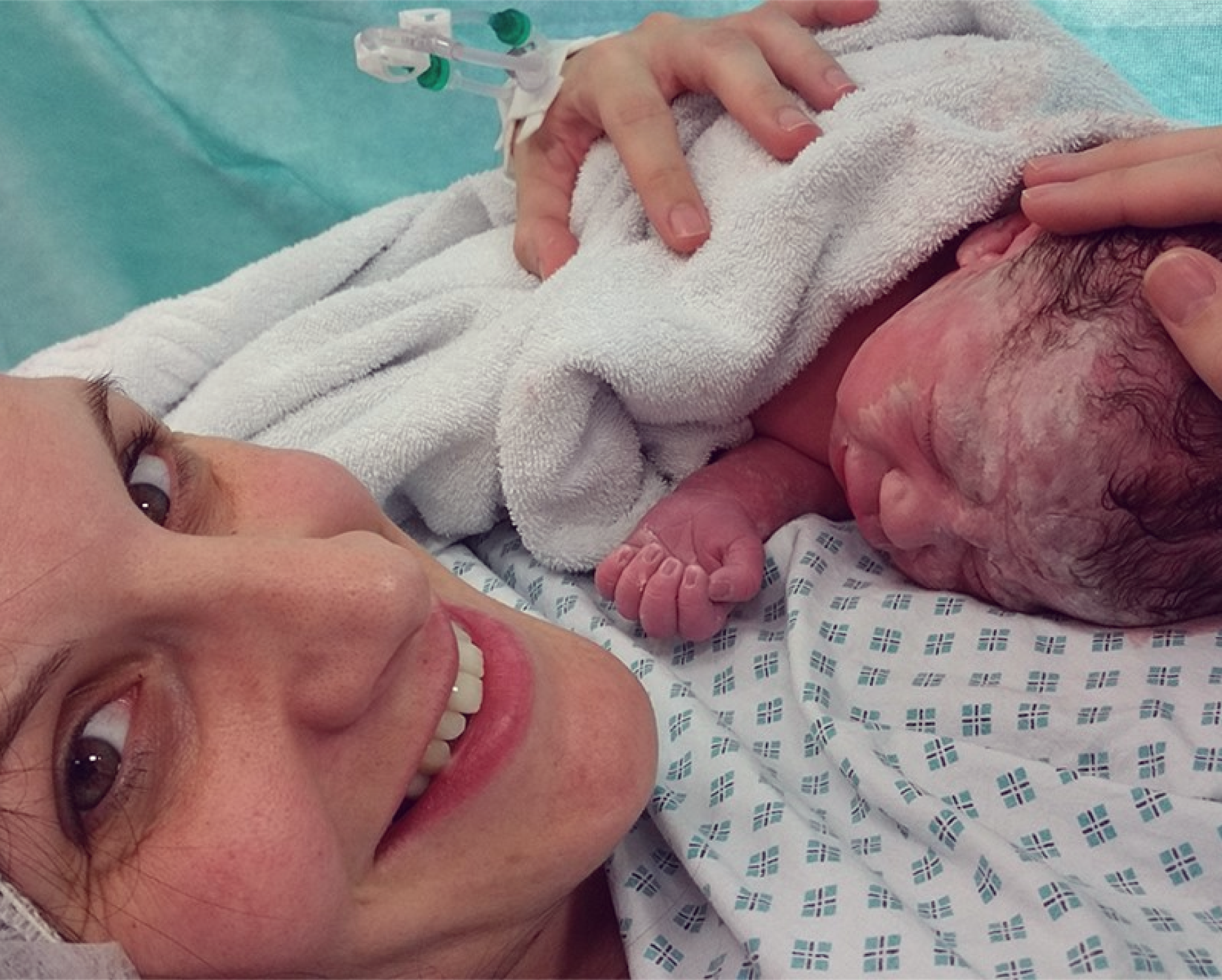
Alison
A difficult labour left Alison with a uterine and vaginal wall prolapse. A keyhole sacrohysteropexy with Mr Broome lifted the uterus back into place and let her go on to have a healthy second baby.
Read more
Treatments & Procedures
A cervical smear checks the cells of the cervix for changes linked to human papillomavirus (HPV) infection, which is the cause of virtually all cervical cancer.
At The Pelvic Clinic Mr Broome offers private cervical smears with HPV testing and cytology, in a calm unhurried appointment, with results usually back within seven working days.
Book an Appointment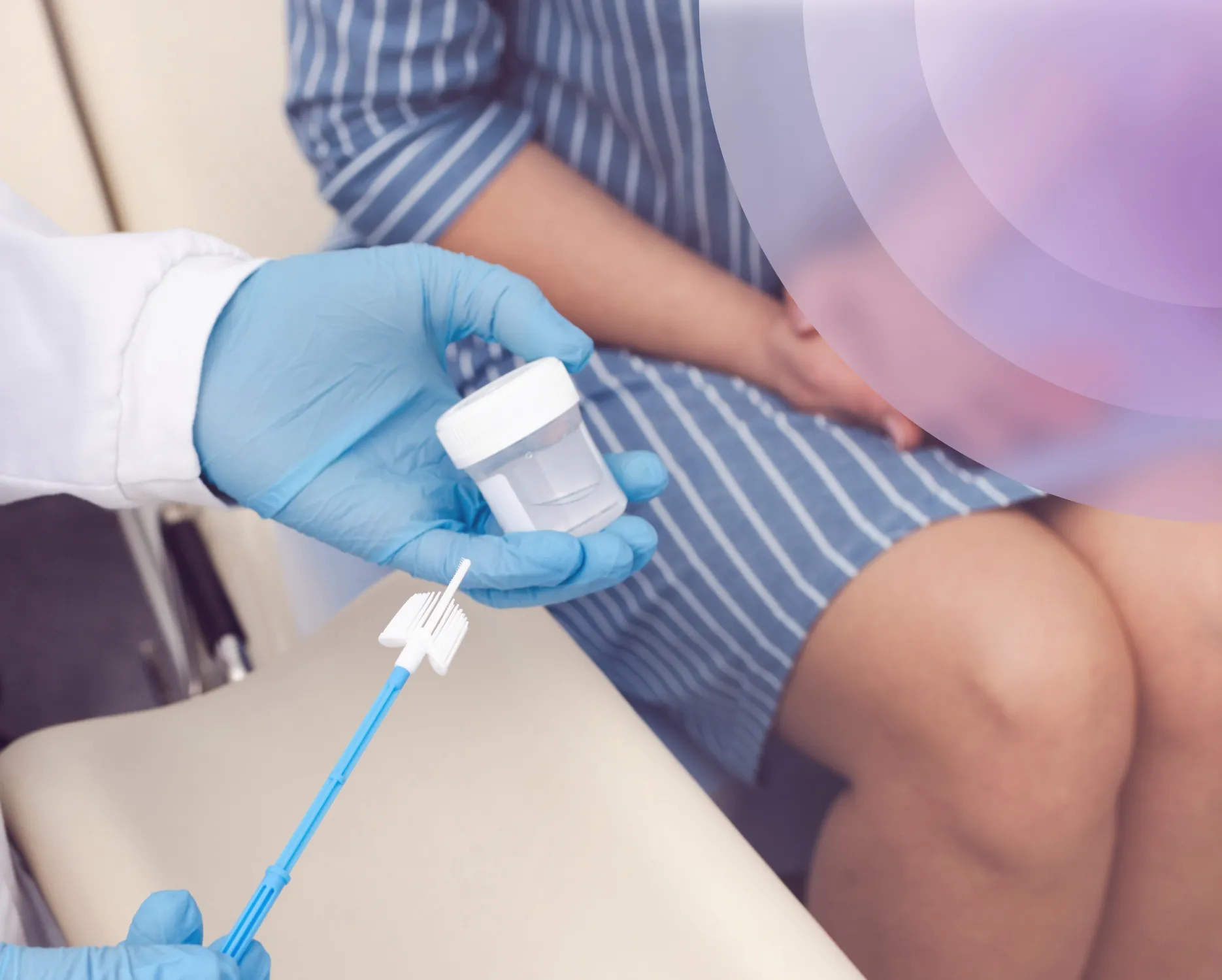

Overview
A cervical smear (also called a Pap test) is a simple test in which a small sample of cells is brushed from the surface of the cervix and sent to the laboratory.
The sample is first tested for high-risk HPV. If HPV is present, the same sample is examined under the microscope for cell changes. Combined HPV and cytology testing is the current UK standard.
Who It Suits
To catch up on screening if you have missed your NHS invitation window.
For women who prefer a shorter interval than the current NHS five-year gap.
Unexplained bleeding between periods, after sex or after the menopause always deserves a clinical assessment.
For monitoring after a previous HPV positive result, colposcopy or treatment.
To ensure screening is up to date before trying to conceive.
For women who prefer to be seen by a female or specific consultant, with time to talk before the test.
A private smear does not replace NHS screening, but it can complement it and be a helpful option when you need faster access or a longer appointment.
Step by Step
The whole appointment takes about 15 to 20 minutes. The sample-taking itself lasts under a minute.

You are welcomed to a discreet private clinic. The whole visit, from arrival to leaving, is designed to feel calm and unhurried.
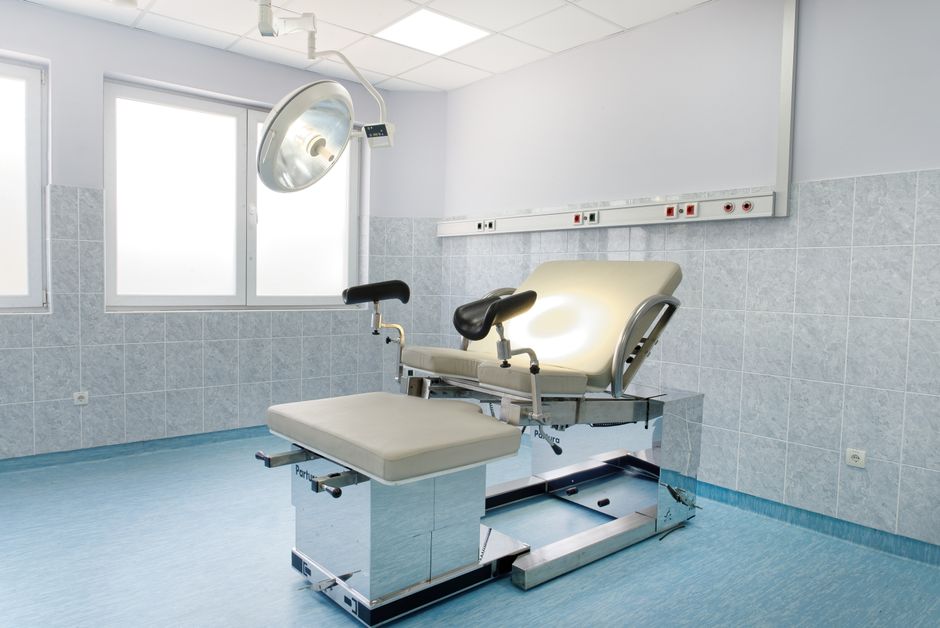
A brief conversation about your cycle, any symptoms, previous smears and any concerns you have about the examination.
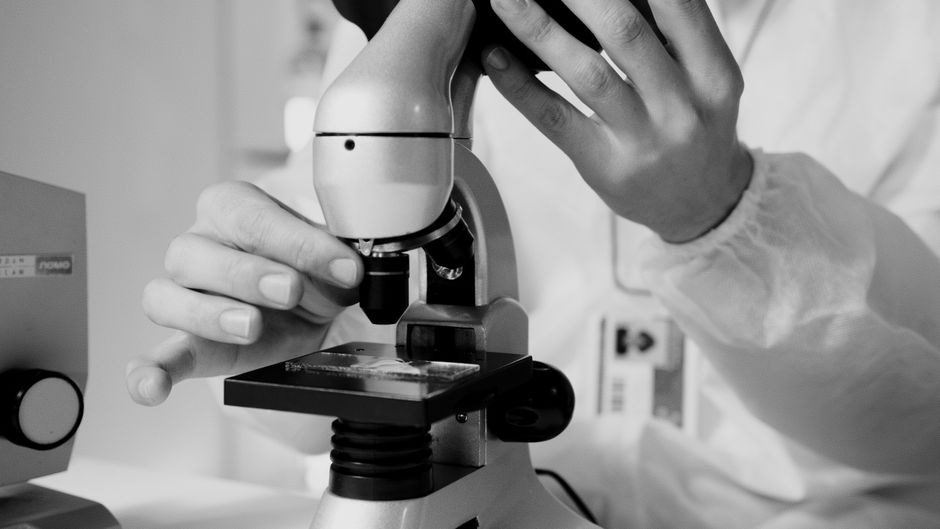
A small speculum is passed into the vagina and a soft brush is used to collect cells from the cervix. Most women find it uncomfortable but not painful.

The sample is sent to an accredited laboratory. HPV and, where needed, cytology results are usually back within seven working days.

About Mr Broome
Mr Jonathan Broome (MBChB, MRCOG) is a Consultant Gynaecologist known locally and nationally for treating pelvic floor disorders such as urinary incontinence and prolapse, alongside heavy or painful periods, endometriosis, fibroids and menopausal problems. He founded The Pelvic Clinic to give women the time, care and clear answers their symptoms deserve.
In Our Patients’ Words
Verified reviews from patients seen by Mr Broome, shared through Doctify.

Verified patient • 14 March 2026
“For the first time I felt genuinely listened to. Everything was explained clearly and I never felt rushed. The whole team were so kind and reassuring.”
Patient seen for:
Verified patient • 02 February 2026
“After years of struggling I finally had a plan. Calm, kind and completely professional throughout. I would not hesitate to recommend Mr Broome.”
Patient seen for:
Verified patient • 19 January 2026
“Discreet, thorough and reassuring. I wish I had come sooner rather than waiting so long in discomfort. The follow-up care was exceptional.”
Patient seen for:
Verified patient • 05 December 2025
“The consultation felt unhurried and I left with a clear plan. My recovery from surgery was much easier than I expected and the practice team kept in touch throughout.”
Patient seen for:
Verified patient • 18 November 2025
“Excellent expertise combined with genuine warmth. I finally have answers after years of being told it was just my age. Truly grateful to Mr Broome and his team.”
Patient seen for:
Verified patient • 30 October 2025
“Professional and personal in equal measure. Every question was answered patiently and I felt in safe hands from the first appointment onwards.”
Patient seen for:
Real Patient Journeys
A snapshot of what a private smear appointment can look like at The Pelvic Clinic.
A difficult labour left Alison with a uterine and vaginal wall prolapse. A keyhole sacrohysteropexy with Mr Broome lifted the uterus back into place and let her go on to have a healthy second baby.
Read more
Years of flooding periods and iron-deficiency anaemia caused by fibroids. A keyhole myomectomy with Mr Broome removed the fibroids, restored Jane’s iron levels within three months and brought her cycle back to normal.
Read more
Kate had been living with severe pelvic pain from endometriosis for over a decade. Laparoscopic excision surgery with Mr Broome removed the deposits and she returned to work and regular exercise pain-free.
Read more
After menopause Kaye developed a bothersome vaginal vault prolapse that stopped her running and swimming. A laparoscopic sacrocolpopexy with Mr Broome resolved the symptoms and she is back to daily exercise.
Read moreCommon Questions
Answers to the questions patients ask most often about private cervical smears at The Pelvic Clinic.
The NHS invites women aged 25 to 64 every three to five years depending on age and HPV result. Private smears can be arranged at shorter intervals if you prefer.
Most women describe brief mild discomfort rather than pain. A short chat and a slower pace usually make the test easier.
Usually within seven working days of the sample reaching the laboratory. Results are shared with you by phone or email, whichever you prefer.
It means the virus that causes cell changes has been detected. Most infections clear on their own; where cell changes are seen, further tests or colposcopy are arranged.
A very light day may be fine, but heavier bleeding can affect the sample. It is usually better to book outside your period.
Yes. Vaccination reduces but does not eliminate the risk of cervical cancer, so continued screening is still recommended.
No special preparation. Avoid vaginal medication or lubricants in the 24 hours before the test as they can interfere with the sample.
Yes. A partner, friend or family member is always welcome, and a chaperone is available if you would prefer one.
Yes. Results are only shared with you and, only with your consent, with your GP.
Self-pay and insured patients are usually seen within a week, often sooner.