

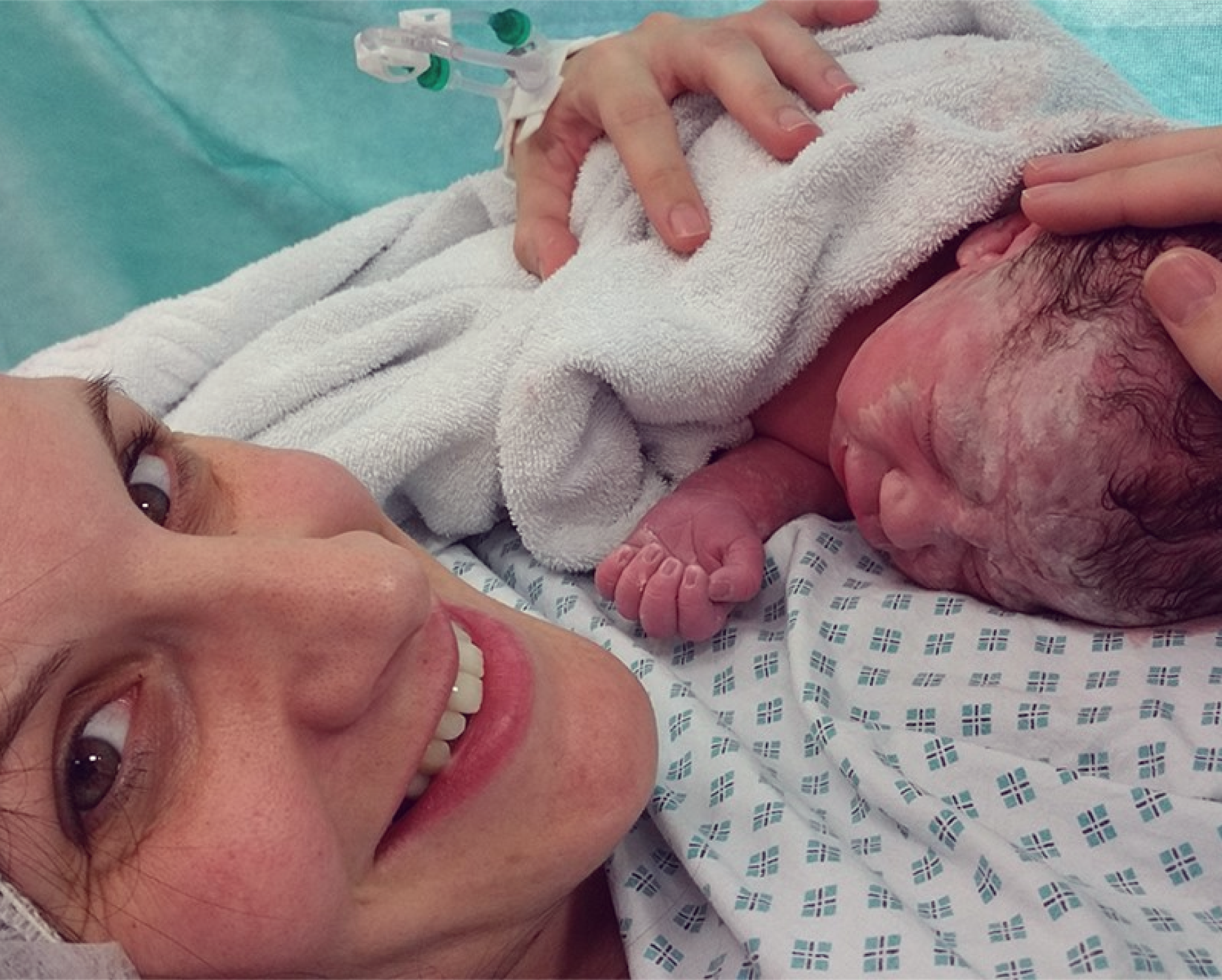
Alison
A difficult labour left Alison with a uterine and vaginal wall prolapse. A keyhole sacrohysteropexy with Mr Broome lifted the uterus back into place and let her go on to have a healthy second baby.
Read more
Conditions & Treatments
Persistent vulval itching, soreness, splitting or changes in skin colour are often dismissed for years before a diagnosis is made. They should not be.
At The Pelvic Clinic Mr Broome offers a specialist vulval assessment, biopsy when needed and evidence-based treatment for conditions such as lichen sclerosus, lichen planus, vulvodynia and vulval eczema.
Book an Appointment

Overview
Vulval skin conditions are a group of long-term skin problems affecting the vulva, ranging from inflammatory conditions such as lichen sclerosus and lichen planus to eczema, psoriasis, chronic thrush and pain syndromes such as vulvodynia.
Symptoms include persistent itch, burning, soreness, splitting of the skin, changes in colour, painful sex and, in some conditions, gradual scarring. Early diagnosis and treatment prevent long-term damage.
What to Look For
Itch that lasts weeks or months, often worse at night or after being warm.
A raw, stinging feeling that can flare with sitting, exercise or sex.
Small painful cracks in the skin, particularly after sex or opening the bowel.
Pale, white or reddened patches that can be smooth, thickened or crinkled.
Sharp pain at the vaginal entrance, or a burning feeling during and after intercourse.
Gradual loss of the labia or narrowing of the vaginal opening from long-standing inflammation.
Persistent vulval symptoms are almost always treatable and should never be tolerated for months without a specialist review.
What Causes It
Different vulval conditions have different causes, but there are shared themes. The main contributors are described below.
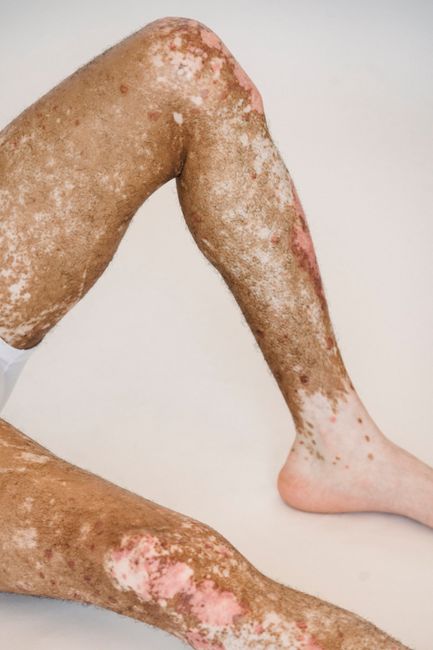
Lichen sclerosus and lichen planus are inflammatory conditions in which the immune system attacks vulval skin, causing itching, whitening, thinning and, over time, scarring.
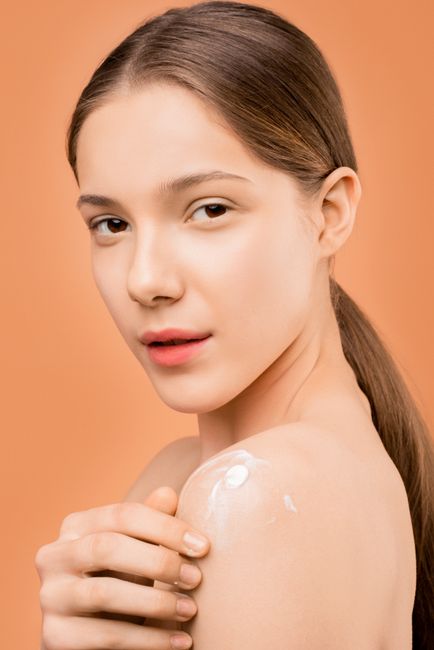
Soaps, wipes, shower gels, tight clothing and sanitary products can all disrupt the vulval skin barrier and drive chronic irritation and eczema.

Low oestrogen at menopause thins and dries vulval and vaginal skin, worsening itching, soreness and pain with sex. This is called genitourinary syndrome of menopause.
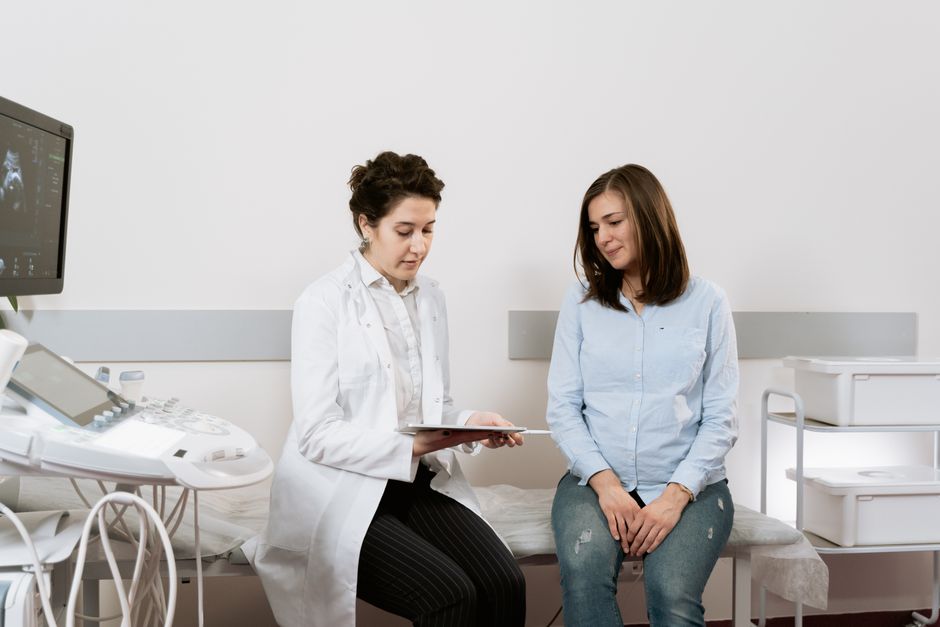
Recurrent thrush, bacterial vaginosis or herpes can trigger persistent vulval inflammation and pain, which sometimes continues long after the infection has resolved.
Treatments Available
Most vulval skin conditions settle quickly with the right diagnosis, the right ointment and ongoing specialist review. A biopsy is used only when it will change the plan.
Prescription-strength steroid ointments settle inflammation, itch and soreness. Used in a clear, tapered plan they are safe and highly effective.
A tailored washing and moisturising routine repairs the skin barrier and prevents flares. Small changes to soaps and fabrics make a big difference.
A small in-clinic sample under local anaesthetic confirms the diagnosis and rules out anything sinister. Results are usually back within a week.
Vulval skin conditions can relapse. Regular review keeps symptoms under control and picks up any change in the skin early.


About Mr Broome
Mr Jonathan Broome (MBChB, MRCOG) is a Consultant Gynaecologist known locally and nationally for treating pelvic floor disorders such as urinary incontinence and prolapse, alongside heavy or painful periods, endometriosis, fibroids and menopausal problems. He founded The Pelvic Clinic to give women the time, care and clear answers their symptoms deserve.
In Our Patients’ Words
Verified reviews from patients seen by Mr Broome, shared through Doctify.
Real Patient Journeys
A snapshot of what specialist vulval care can look like at The Pelvic Clinic.
A difficult labour left Alison with a uterine and vaginal wall prolapse. A keyhole sacrohysteropexy with Mr Broome lifted the uterus back into place and let her go on to have a healthy second baby.
Read more
Years of flooding periods and iron-deficiency anaemia caused by fibroids. A keyhole myomectomy with Mr Broome removed the fibroids, restored Jane’s iron levels within three months and brought her cycle back to normal.
Read more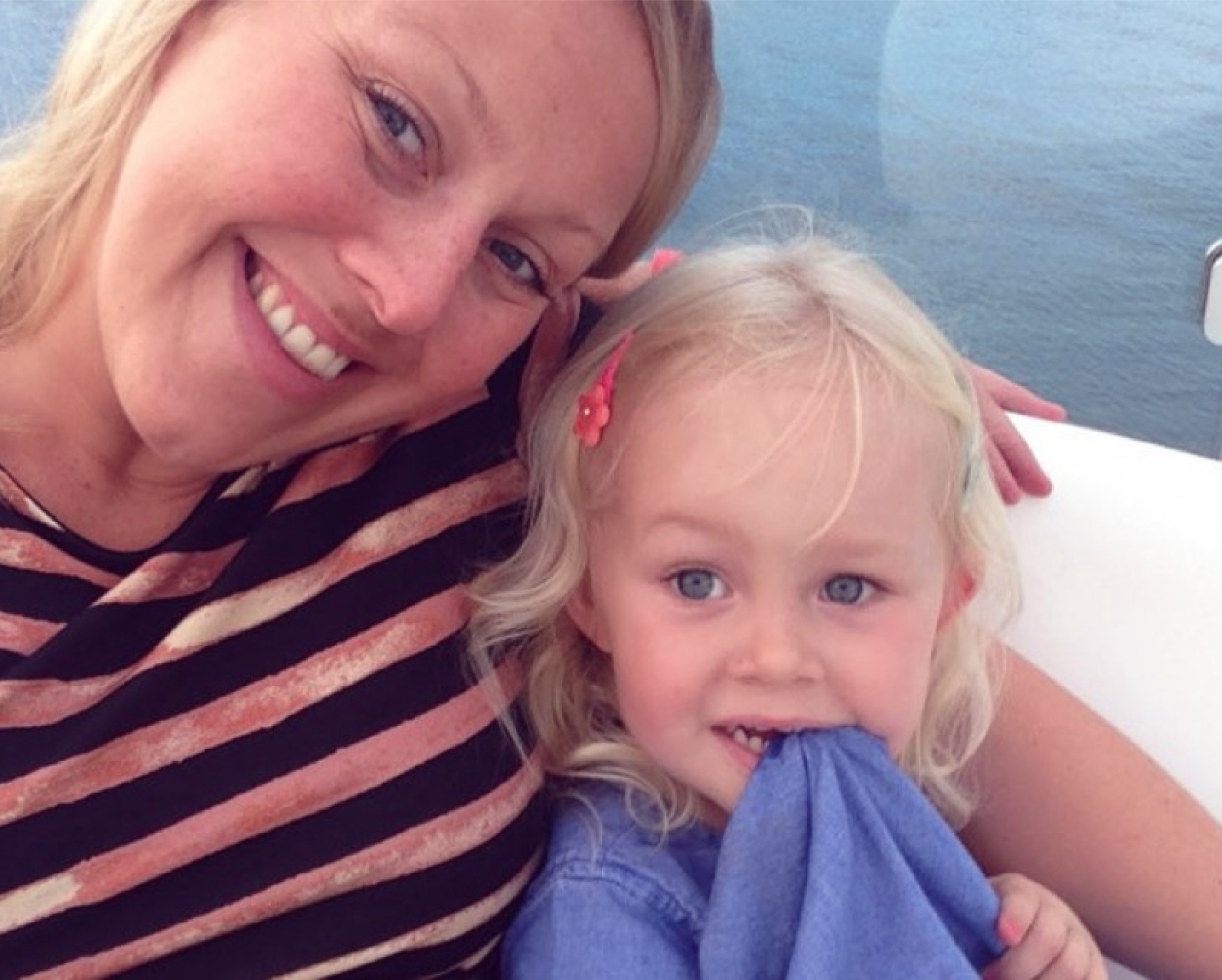
Kate had been living with severe pelvic pain from endometriosis for over a decade. Laparoscopic excision surgery with Mr Broome removed the deposits and she returned to work and regular exercise pain-free.
Read more
After menopause Kaye developed a bothersome vaginal vault prolapse that stopped her running and swimming. A laparoscopic sacrocolpopexy with Mr Broome resolved the symptoms and she is back to daily exercise.
Read moreCommon Questions
Answers to the questions patients ask most often about vulval skin conditions, examination and treatment at The Pelvic Clinic.
Lichen sclerosus, lichen planus, vulval eczema, chronic thrush, genitourinary syndrome of menopause and vulvodynia are the conditions most often seen in specialist clinic.
By a detailed history, a specialist examination and, when needed, a small biopsy taken under local anaesthetic in clinic.
Untreated lichen sclerosus carries a small but real risk of vulval cancer, around 4 to 5 per cent over a lifetime. Well-controlled lichen sclerosus brings this risk close to background.
Yes, when used correctly under specialist guidance. Potent topical steroids are the mainstay of treatment for lichen sclerosus and lichen planus and are well tolerated long term.
Soaps and shower gels strip natural oils and disrupt the skin barrier, which worsens itching and irritation. A soap substitute is a simple but important part of every treatment plan.
Yes. Most vulval conditions respond well to treatment and comfortable sex is a realistic goal. Vaginal moisturisers, lubricants and, at menopause, vaginal oestrogen all help.
Vulvodynia is chronic vulval pain without a visible cause. It responds best to a combined plan of specialist physiotherapy, topical treatment and, in some cases, nerve-pain medication.
Conditions such as lichen sclerosus need long-term skin care and periodic review. Others resolve completely with a short course of treatment.
Some can be resolved fully. Chronic inflammatory conditions cannot be cured but can be controlled very well, so the skin looks and feels normal for most of the time.
Self-pay and insured patients are usually seen within a week or two. Any biopsy needed is taken in clinic and results are back within about two weeks.