

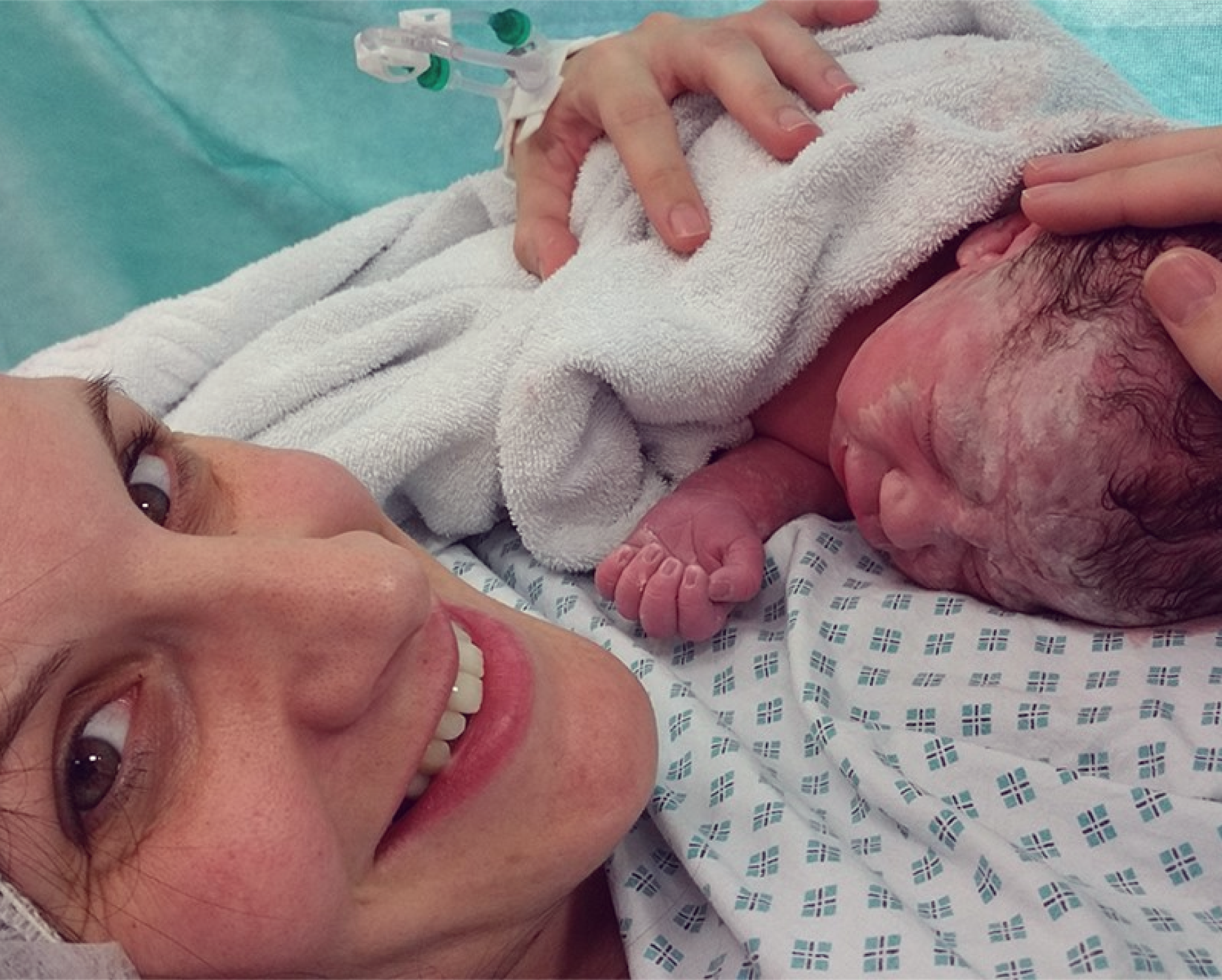
Alison
A difficult labour left Alison with a uterine and vaginal wall prolapse. A keyhole sacrohysteropexy with Mr Broome lifted the uterus back into place and let her go on to have a healthy second baby.
Read more
Conditions & Treatments
Fibroids are non-cancerous growths in the muscle of the womb. They affect up to 70 per cent of women by the age of 50 and are a common cause of heavy periods, pelvic pressure and fertility problems.
At The Pelvic Clinic Mr Broome offers medical management, the Mirena coil, keyhole myomectomy that preserves the womb, and hysterectomy where appropriate, always with a clear explanation of the options.
Book an Appointment
Overview
Fibroids are benign growths of the muscle wall of the uterus. They range from tiny seedlings to masses that fill the pelvis, and can be single or multiple.
Many women with fibroids have no symptoms at all. When symptoms occur they most often include heavy or long periods, pressure on the bladder or bowel, pain during sex and, sometimes, subfertility.
What to Look For
Bleeding heavily each month, sometimes with large clots and flooding through protection.
A feeling of fullness or bloating in the lower abdomen, sometimes with a visible bump.
Needing to pass water more often as a fibroid presses on the bladder.
Difficulty opening the bowel because a fibroid presses on the rectum.
Deep pain during intercourse, sometimes lasting for hours afterwards.
An ache in the lower back or one leg when a fibroid presses on nearby nerves.
Many fibroids cause no symptoms at all and are simply monitored, but symptomatic fibroids should be investigated properly.
What Causes It
The exact cause is not fully understood, but several clear factors influence who develops fibroids and how quickly they grow.

Fibroids are highly responsive to oestrogen and progesterone. They tend to grow during reproductive years and typically shrink after the menopause.

Fibroids often run in families. Having a mother or sister with fibroids roughly doubles your own risk of developing them.

Fibroids are up to three times more common in women of Black African and Caribbean heritage, and often appear at a younger age and grow more quickly.

Higher body weight, low vitamin D and diets low in fruit and vegetables are associated with a modest increase in fibroid risk and growth rate.
Treatments Available
Treatment depends on the size, number and position of the fibroids and on whether you want to preserve the womb. We explain every option in plain language.
Non-hormonal and hormonal tablets can reduce bleeding, shrink fibroids and control pain. Often the first step where surgery is not yet needed.
A hysteroscopic day-case procedure that removes fibroid tissue growing inside the cavity of the womb. Bleeding usually improves quickly with no external cuts.
Keyhole or open surgical removal of the fibroids while preserving the womb. The right choice for women who still hope to conceive.
Keyhole removal of the womb for larger fibroids where family is complete. Most women go home the next day and recover within a few weeks.

About Mr Broome
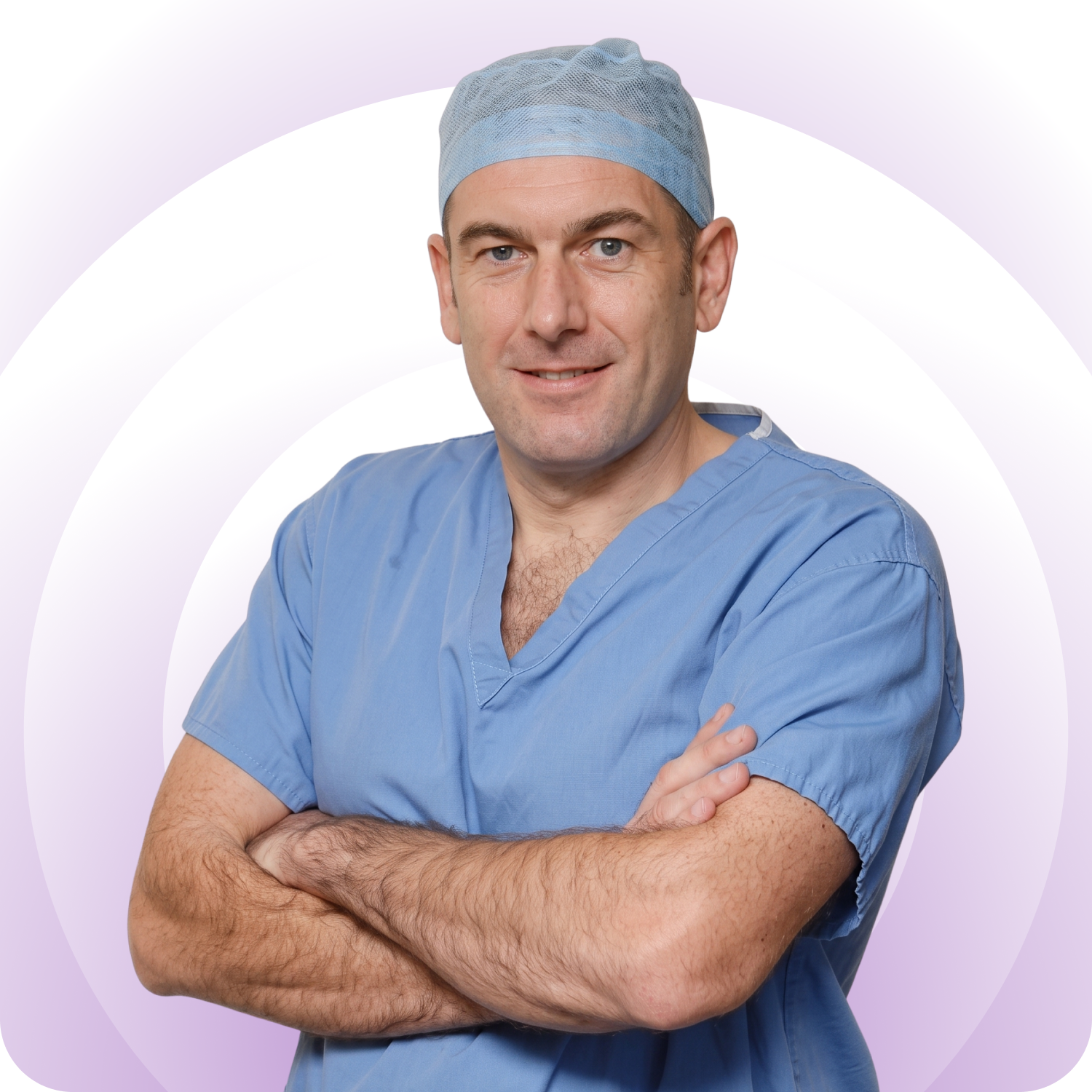
Mr Jonathan Broome (MBChB, MRCOG) is a Consultant Gynaecologist known locally and nationally for treating pelvic floor disorders such as urinary incontinence and prolapse, alongside heavy or painful periods, endometriosis, fibroids and menopausal problems. He founded The Pelvic Clinic to give women the time, care and clear answers their symptoms deserve.
In Our Patients’ Words
Verified reviews from patients seen by Mr Broome, shared through Doctify.
Real Patient Journeys
A snapshot of the outcomes women see after being treated for fibroids at The Pelvic Clinic.
A difficult labour left Alison with a uterine and vaginal wall prolapse. A keyhole sacrohysteropexy with Mr Broome lifted the uterus back into place and let her go on to have a healthy second baby.
Read more
Years of flooding periods and iron-deficiency anaemia caused by fibroids. A keyhole myomectomy with Mr Broome removed the fibroids, restored Jane’s iron levels within three months and brought her cycle back to normal.
Read more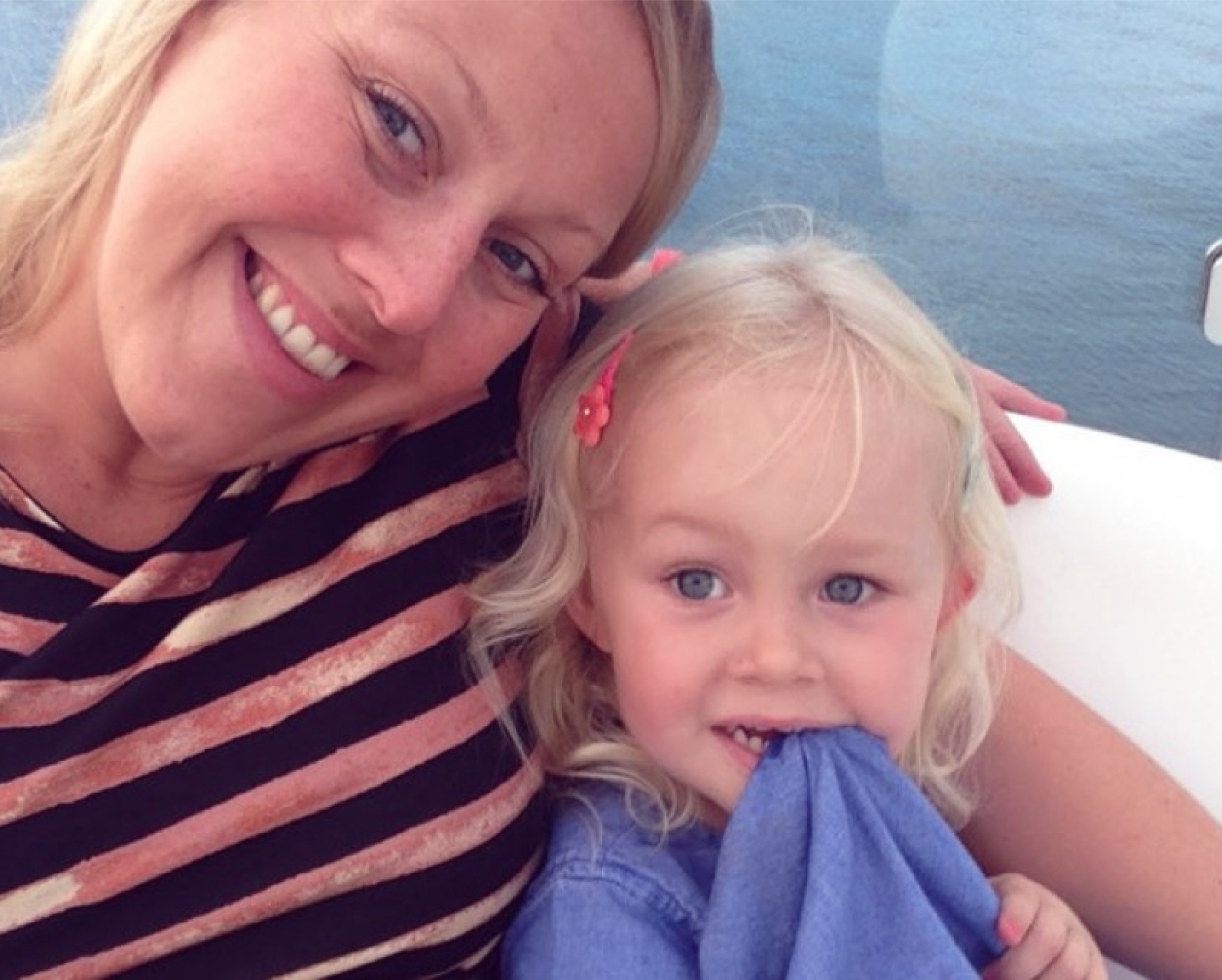
Kate had been living with severe pelvic pain from endometriosis for over a decade. Laparoscopic excision surgery with Mr Broome removed the deposits and she returned to work and regular exercise pain-free.
Read more
After menopause Kaye developed a bothersome vaginal vault prolapse that stopped her running and swimming. A laparoscopic sacrocolpopexy with Mr Broome resolved the symptoms and she is back to daily exercise.
Read moreCommon Questions
Answers to the questions patients ask most often about fibroids, diagnosis and treatment at The Pelvic Clinic.
Fibroids are almost always benign. The chance that what looks like a fibroid is actually a cancerous leiomyosarcoma is well under one in a thousand.
Through examination and a pelvic ultrasound. MRI is added when planning surgery or when the ultrasound picture is unclear.
No. Fibroids that cause no symptoms and are not distorting the womb usually need no treatment, just annual review to check size and symptoms.
Submucosal fibroids inside the womb cavity affect fertility and miscarriage risk most, and removing them usually improves outcomes. Fibroids outside the cavity rarely affect fertility.
A myomectomy removes the fibroid while preserving the womb. It can be done hysteroscopically, laparoscopically or, for very large fibroids, through open surgery.
Not usually. Uterus-preserving options are always considered first. Hysterectomy is offered only if fibroids are severe, family is complete and other treatments have not worked.
Most fibroids shrink and become symptomless after menopause because they need oestrogen to grow. Symptoms rarely appear for the first time after the menopause.
New fibroids can develop after a myomectomy in around one in four women, particularly at a younger age. Regular review helps catch any recurrence early.
Yes. Most women can conceive and deliver safely after a myomectomy. Depending on how deep the fibroids went, a caesarean may be advised in a future pregnancy.
Self-pay and insured patients are usually seen within a week or two. An ultrasound is arranged at or shortly after the first appointment.