

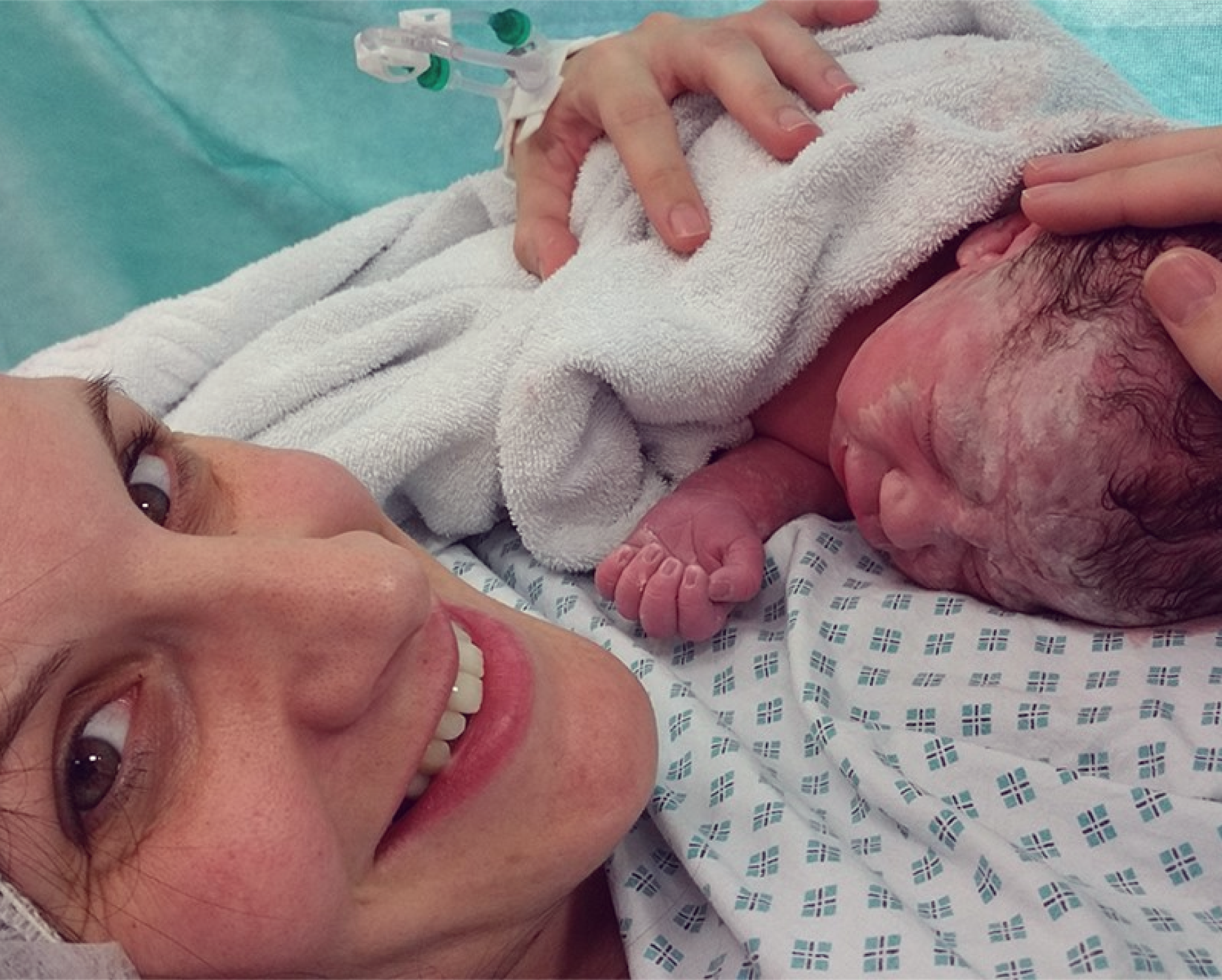
Alison
A difficult labour left Alison with a uterine and vaginal wall prolapse. A keyhole sacrohysteropexy with Mr Broome lifted the uterus back into place and let her go on to have a healthy second baby.
Read more
Conditions & Treatments
Heavy or prolonged periods affect around one in four women of reproductive age in the UK, yet many are told the bleeding is simply something to live with.
At The Pelvic Clinic Mr Broome investigates the underlying cause, from fibroids and adenomyosis to hormonal imbalance, and offers medical, hormonal and surgical options to bring the cycle back under control.
Book an Appointment
Overview
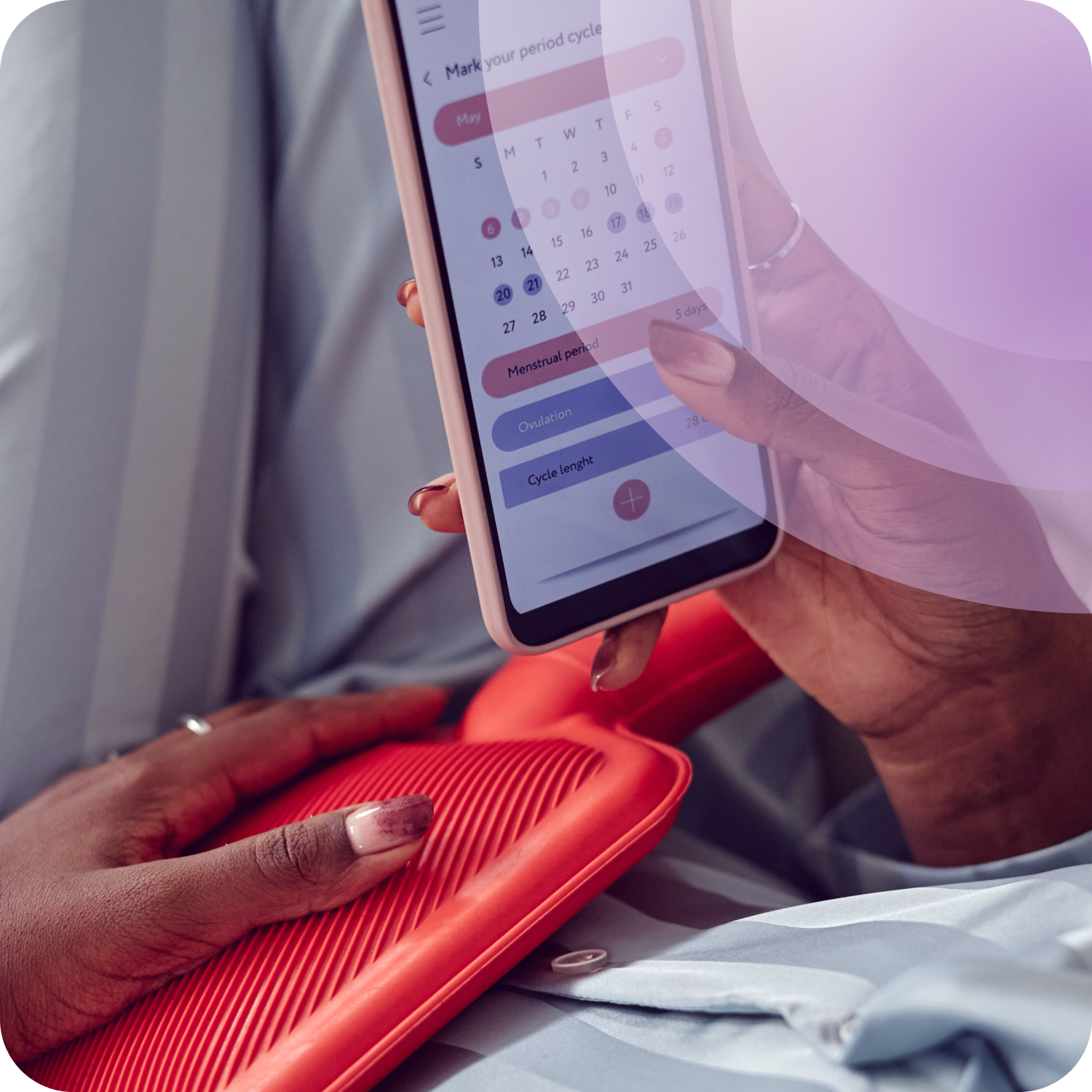
Heavy menstrual bleeding, medically called menorrhagia, is defined as periods that soak through a pad or tampon every hour, last longer than seven days, or pass large clots.
Beyond the numbers, heavy periods are any bleeding that interferes with daily life, work, exercise or sleep. Left untreated they commonly lead to iron-deficiency anaemia and persistent fatigue.
What to Look For
Needing to change a pad or tampon every hour, or using two at a time to feel safe.
Bleeding that lasts more than seven days, sometimes with only a day or two off between cycles.
Passing blood clots larger than a 10p coin during your heaviest days.
Leaking through pads or tampons while asleep, forcing you to change bedding or sheets.
Feeling exhausted, lightheaded or short of breath because of iron loss and anaemia.
Cancelling exercise, work days or plans because bleeding has become unmanageable.
Heavy bleeding is common but is never routine. Any clear change in your normal cycle is worth a specialist opinion.
What Causes It
Heavy periods have several distinct causes. Identifying which one applies to you is the first step to effective treatment.
An imbalance between oestrogen and progesterone allows the womb lining to build up too thickly, producing heavier and longer bleeds each cycle.
Non-cancerous growths in the muscle wall of the uterus increase the surface area of bleeding and are one of the most common causes of heavy, painful periods.
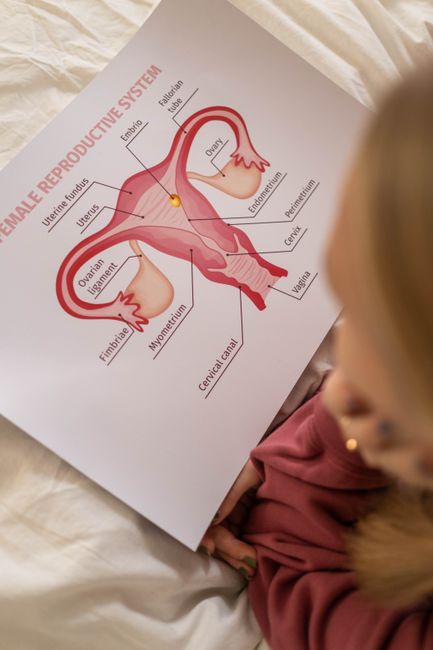
When endometrial tissue grows into the muscular wall of the uterus itself, periods typically become heavier, longer and significantly more painful.
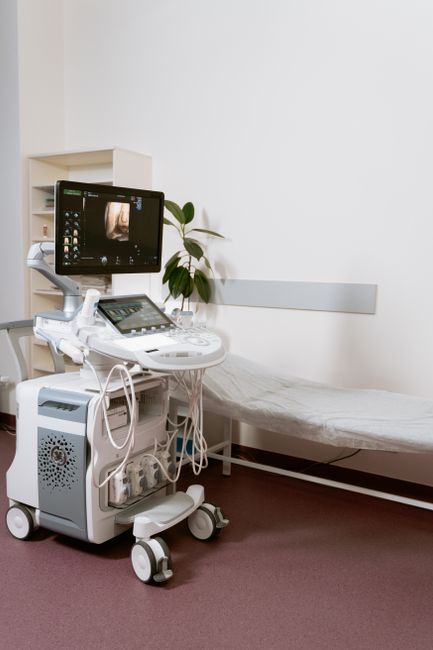
Small growths on the womb lining, or a thickened endometrium, can cause irregular and heavier bleeding, particularly around the perimenopausal years.
Treatments Available
Treatment is matched to the cause of the bleeding and to how you want to live — from tablets to the Mirena coil, ablation and, when needed, keyhole hysterectomy.
Non-hormonal tablets such as tranexamic acid reduce blood loss when taken during your period. They are often the first step for women who prefer to avoid hormones.
A small hormone-releasing coil sits inside the womb and thins the lining. Bleeding reduces by around 90 per cent in the first year for most women.
A day-case procedure that treats the womb lining to reduce or stop periods. It suits women who have completed their family and want to avoid a hysterectomy.
Keyhole removal of the womb where other treatments have not worked. Most women go home the next day and are back to normal activity within a few weeks.


About Mr Broome
Mr Jonathan Broome (MBChB, MRCOG) is a Consultant Gynaecologist known locally and nationally for treating pelvic floor disorders such as urinary incontinence and prolapse, alongside heavy or painful periods, endometriosis, fibroids and menopausal problems. He founded The Pelvic Clinic to give women the time, care and clear answers their symptoms deserve.
In Our Patients’ Words
Verified reviews from patients seen by Mr Broome, shared through Doctify.
Real Patient Journeys
A snapshot of the outcomes women see after being treated for heavy periods at The Pelvic Clinic.
A difficult labour left Alison with a uterine and vaginal wall prolapse. A keyhole sacrohysteropexy with Mr Broome lifted the uterus back into place and let her go on to have a healthy second baby.
Read more
Years of flooding periods and iron-deficiency anaemia caused by fibroids. A keyhole myomectomy with Mr Broome removed the fibroids, restored Jane’s iron levels within three months and brought her cycle back to normal.
Read more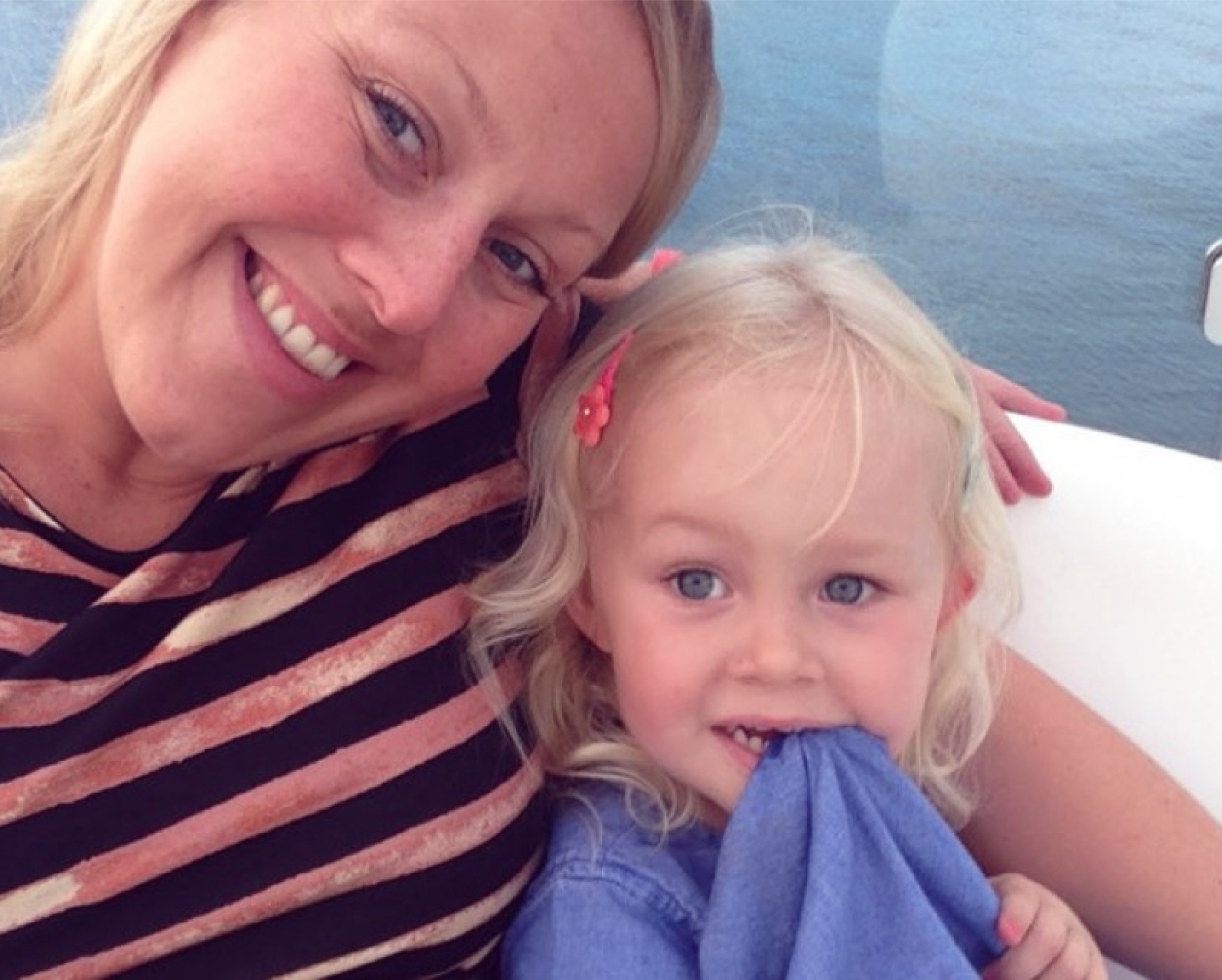
Kate had been living with severe pelvic pain from endometriosis for over a decade. Laparoscopic excision surgery with Mr Broome removed the deposits and she returned to work and regular exercise pain-free.
Read more
After menopause Kaye developed a bothersome vaginal vault prolapse that stopped her running and swimming. A laparoscopic sacrocolpopexy with Mr Broome resolved the symptoms and she is back to daily exercise.
Read moreCommon Questions
Answers to the questions patients ask most often about heavy periods, investigation and treatment at The Pelvic Clinic. If your question is not here, please get in touch.
Bleeding is medically considered heavy if you soak through a pad or tampon every hour, need double protection, pass clots larger than a 10p coin or bleed for more than seven days.
A full history, an examination, blood tests including iron and thyroid, an ultrasound and, where useful, a hysteroscopy to look inside the womb.
Yes. Prolonged heavy bleeding is one of the most common causes of iron-deficiency anaemia in women, leaving you tired, breathless and unable to concentrate.
No. Many women are treated successfully with medication, the Mirena coil or endometrial ablation. Surgery is only considered when other treatments are unsuitable or have not worked.
The Mirena reduces menstrual bleeding by around 90 per cent within the first year for most women and is often the first hormonal option offered.
A day-case procedure that treats the lining of the womb to reduce or stop periods. It suits women who have completed their family and want to avoid a hysterectomy.
Bleeding usually settles at menopause, but symptoms often become worse in the perimenopausal years first. There is no need to wait years for treatment.
Iron-rich foods and iron supplements help with anaemia, and regular exercise can improve overall symptoms. Lifestyle alone rarely resolves heavy bleeding but supports other treatment.
It is always worth investigating. Most causes are benign, such as polyps or hormonal changes, but bleeding between periods should never be dismissed without examination.
Self-pay and insured patients are usually seen within a week or two. Investigations such as ultrasound and blood tests are arranged at the first appointment.