

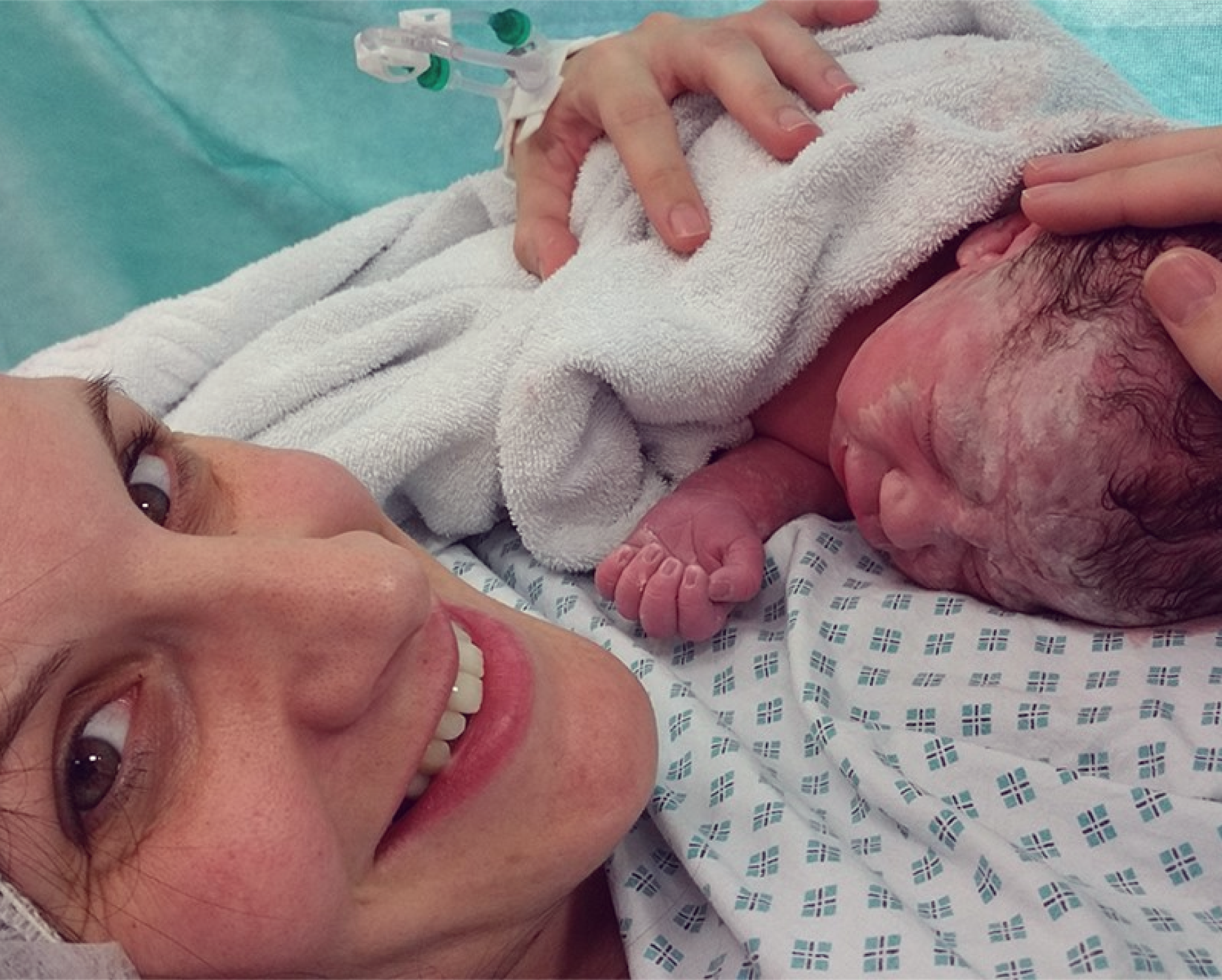
Alison
A difficult labour left Alison with a uterine and vaginal wall prolapse. A keyhole sacrohysteropexy with Mr Broome lifted the uterus back into place and let her go on to have a healthy second baby.
Read more
Conditions & Treatments
A bulge, heaviness or dragging feeling in the vagina is the most common way pelvic organ prolapse first presents. It affects around one in three women who have given birth.
At The Pelvic Clinic Mr Broome offers a full assessment, pessary fitting, supervised pelvic floor training and mesh-free keyhole repair, often preserving the womb.
Book an Appointment

Overview
Pelvic organ prolapse happens when the muscles and connective tissue supporting the bladder, womb or bowel weaken, allowing one or more of those organs to press into the wall of the vagina.
Prolapse is very common, affecting around half of women over 50 to some degree. It is not dangerous, but it can significantly affect comfort, bladder and bowel function, exercise and sex.
What to Look For
A lump or fullness in the vagina, sometimes noticed only when tired or standing for a long time.
A downward heaviness in the pelvis that gets steadily worse as the day goes on.
Needing to lean or push to fully empty, or passing water in small amounts more often.
Needing to press on the vagina to fully open the bowel, or feeling incomplete afterwards.
Awareness of a bulge, reduced sensation or pain during intercourse.
A persistent dull ache in the lower back that eases when you lie down.
A prolapse is rarely dangerous, but early assessment matters. Gentle treatment now often avoids surgery later.
What Causes It
Prolapse develops when the pelvic floor is stretched, weakened or repeatedly loaded. The most common contributing factors are listed below.

Vaginal delivery, particularly a long second stage, a large baby or an instrumental birth, is the single biggest cause of pelvic floor damage and later prolapse.

Falling oestrogen levels thin and weaken the supporting tissues of the pelvic floor, which is why symptoms often appear or worsen in the fifties and sixties.

Long-standing constipation, a chronic cough or repeated heavy lifting places persistent downward pressure on the pelvic floor, accelerating prolapse.
Some women inherit weaker connective tissue and are more prone to prolapse and joint hypermobility, often with a family history of similar problems.
Treatments Available
From pelvic floor rehabilitation to keyhole, uterus-sparing repair — we build the plan around your symptoms, your goals and how active you want to be.
A structured programme of exercises with a specialist physio strengthens the pelvic floor. For mild prolapse it can settle symptoms without any surgery.
A soft silicone device supports the vaginal walls and holds the prolapse in place. It is a safe, long-term option and works well for many women.
A keyhole prolapse repair that lifts and supports the womb without removing it. Recovery is quick and the uterus is preserved.
Traditional vaginal repair of the front or back wall of the vagina using your own tissues. A tried and tested option where mesh is not appropriate.

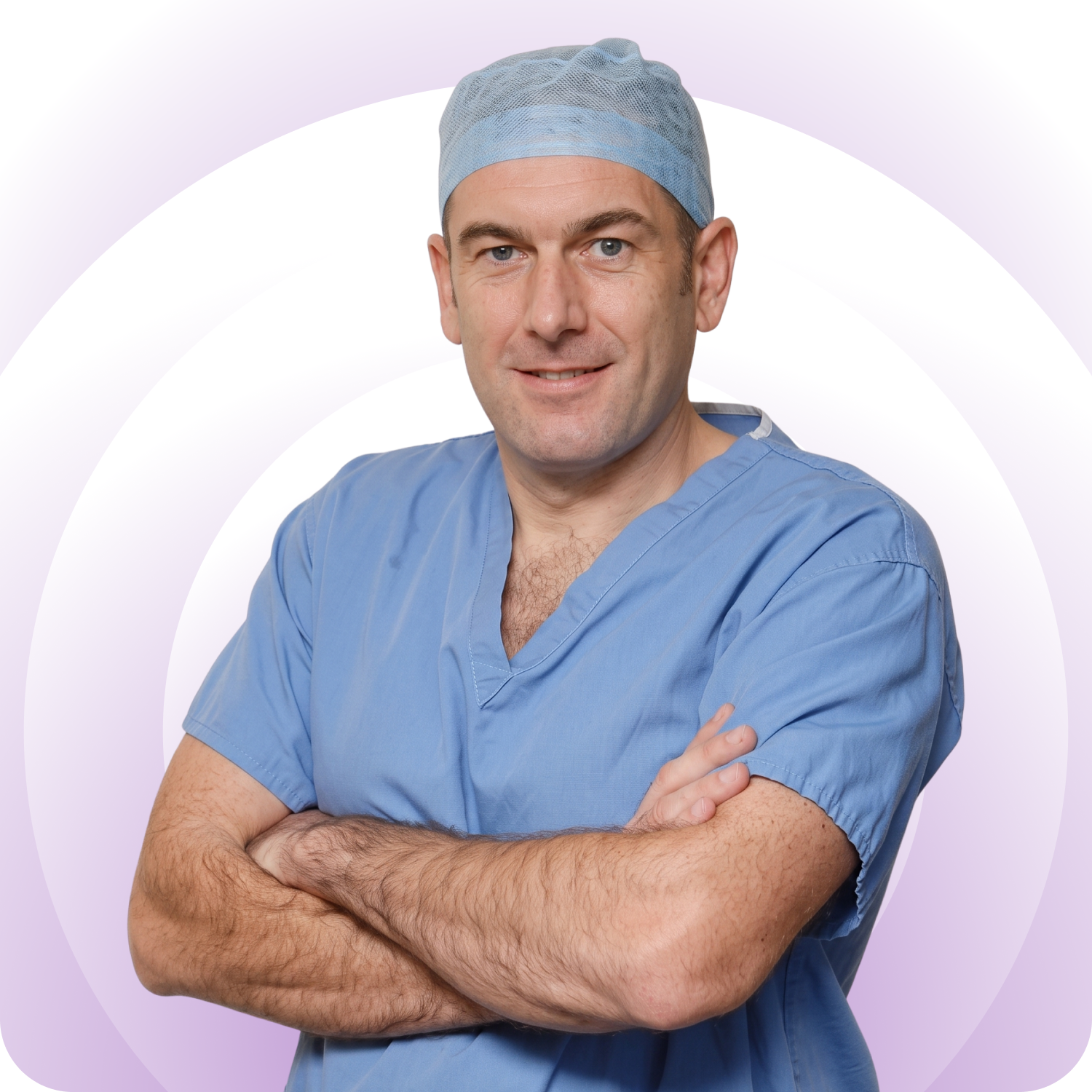
About Mr Broome
Mr Jonathan Broome (MBChB, MRCOG) is a Consultant Gynaecologist known locally and nationally for treating pelvic floor disorders such as urinary incontinence and prolapse, alongside heavy or painful periods, endometriosis, fibroids and menopausal problems. He founded The Pelvic Clinic to give women the time, care and clear answers their symptoms deserve.
In Our Patients’ Words
Verified reviews from patients seen by Mr Broome, shared through Doctify.
Real Patient Journeys
A snapshot of what treatment for pelvic organ prolapse can look like at The Pelvic Clinic.
A difficult labour left Alison with a uterine and vaginal wall prolapse. A keyhole sacrohysteropexy with Mr Broome lifted the uterus back into place and let her go on to have a healthy second baby.
Read more
Years of flooding periods and iron-deficiency anaemia caused by fibroids. A keyhole myomectomy with Mr Broome removed the fibroids, restored Jane’s iron levels within three months and brought her cycle back to normal.
Read more
Kate had been living with severe pelvic pain from endometriosis for over a decade. Laparoscopic excision surgery with Mr Broome removed the deposits and she returned to work and regular exercise pain-free.
Read more
After menopause Kaye developed a bothersome vaginal vault prolapse that stopped her running and swimming. A laparoscopic sacrocolpopexy with Mr Broome resolved the symptoms and she is back to daily exercise.
Read moreCommon Questions
Answers to the questions patients ask most often about pelvic organ prolapse, examination and repair options at The Pelvic Clinic.
The most common symptoms are a visible or felt bulge in the vagina, a dragging or heavy feeling by the end of the day, and difficulty emptying the bladder or bowel.
Prolapse is not life-threatening and it is not an emergency. It is a quality-of-life condition, so the right time to treat it is when it starts to affect how you live.
Mild prolapse often stays stable for years. Some prolapse does progress slowly, especially after menopause, so annual review and a strong pelvic floor programme are sensible.
No. Following the UK pause on vaginal mesh, mesh-free repair using your own tissue is the default option offered at this clinic and what the majority of women choose.
Supervised pelvic floor training will not restore the anatomy but reliably reduces symptoms in mild to moderate prolapse and is the recommended first step in UK practice.
A soft silicone ring or shelf placed inside the vagina to support the prolapse. It is a good option if you want to avoid surgery or wait until after your family is complete.
Often no. Uterus-sparing repairs such as sacrohysteropexy lift the prolapse while keeping the womb, and are preferred by many women.
Most women are home within a day or two, back at desk work at three to four weeks and cleared for heavy lifting and high-impact exercise at about twelve weeks.
Yes. Most women can and do, though some find it uncomfortable. Treatment often improves comfort and confidence significantly.
Self-pay and insured patients are usually seen within a week or two. A full examination is carried out at the first appointment so treatment can be planned straight away.