

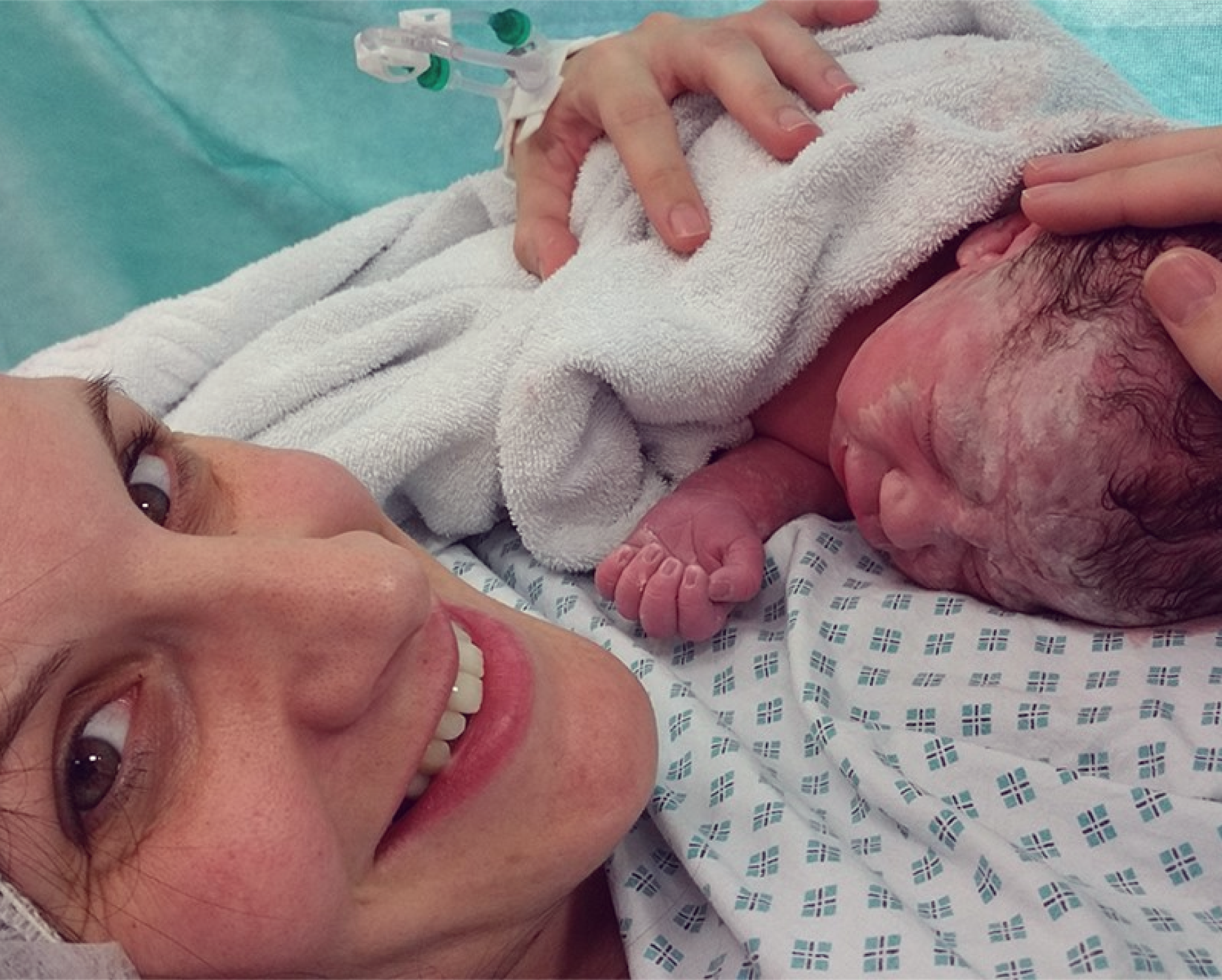
Alison
A difficult labour left Alison with a uterine and vaginal wall prolapse. A keyhole sacrohysteropexy with Mr Broome lifted the uterus back into place and let her go on to have a healthy second baby.
Read more
Conditions & Treatments
Polycystic ovary syndrome (PCOS) affects around one in ten women of reproductive age in the UK. It is a hormonal condition that affects cycles, skin, weight and fertility.
At The Pelvic Clinic Mr Broome offers a full hormonal work-up, targeted treatment for the symptoms that matter most to you, and long-term management to reduce the risk of diabetes and endometrial problems later on.
Book an Appointment

Overview
PCOS is a hormonal condition in which the ovaries produce higher levels of male hormones (androgens) and ovulation happens less regularly. Ovaries typically look enlarged with many small follicles on ultrasound.
A diagnosis needs at least two of three features: irregular or absent periods, raised androgens on blood tests or physically, and polycystic ovaries on ultrasound.
What to Look For
Cycles longer than 35 days, or fewer than eight periods a year.
Adult acne on the face, chest or back that does not respond to normal skincare.
Extra hair on the face, chest, tummy or back, driven by higher androgen levels.
Weight that settles around the middle and is hard to shift with diet or exercise.
Ovulation happens less often, making it harder to get pregnant naturally.
Low mood, anxiety and tiredness linked to hormonal and metabolic changes.
PCOS is a lifelong condition, but early diagnosis and good management reduce the long-term risk of type 2 diabetes and endometrial problems.
What Causes It
PCOS is driven by an interaction of genetics, insulin resistance and hormones. The main contributors are outlined below.
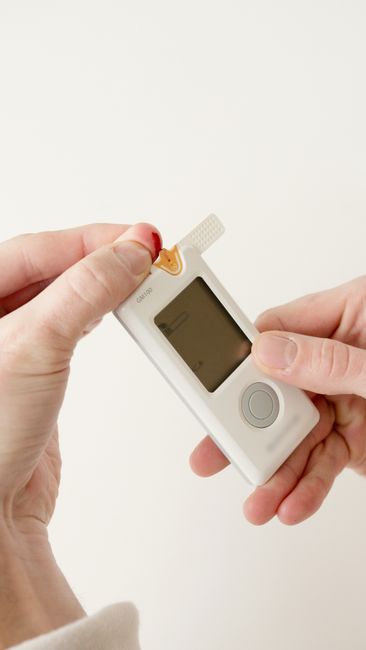
Around 70 per cent of women with PCOS have insulin resistance. High insulin levels drive the ovaries to produce more androgens, worsening the hormonal picture.

PCOS runs in families. Having a mother or sister with PCOS significantly increases your own likelihood of developing the condition.

The ovaries produce higher than normal levels of testosterone, which drives acne, unwanted hair growth and disrupted ovulation.

Higher body weight and low-grade inflammation both worsen insulin resistance and androgen levels, feeding back into the PCOS cycle.
Treatments Available
PCOS is managed, not cured — but with the right combination of lifestyle support, medication and (where wanted) fertility care, symptoms can settle for years.
Structured guidance on diet, exercise and weight can restore cycles and improve every marker of PCOS. Small, steady changes make a real difference.
Metformin, the combined pill and anti-androgen treatments target insulin resistance, cycle irregularity, acne and unwanted hair. We tailor the choice to your goals.
A monitored course of tablets to trigger ovulation for women trying to conceive. Often the first fertility step before more intensive treatment.
The Mirena protects the womb lining from a build-up caused by absent periods, and reduces bleeding when it does come. A simple long-term option.

About Mr Broome
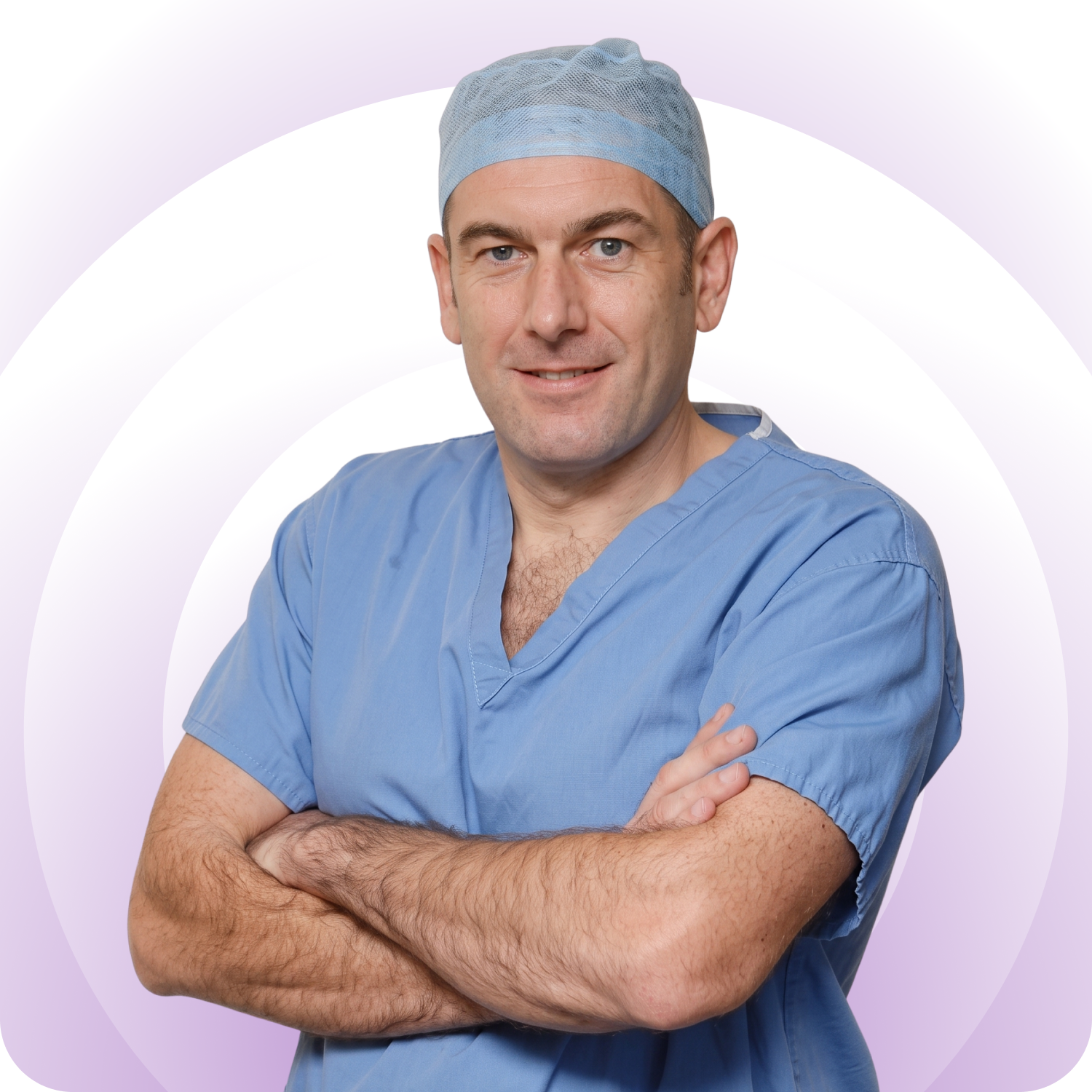
Mr Jonathan Broome (MBChB, MRCOG) is a Consultant Gynaecologist known locally and nationally for treating pelvic floor disorders such as urinary incontinence and prolapse, alongside heavy or painful periods, endometriosis, fibroids and menopausal problems. He founded The Pelvic Clinic to give women the time, care and clear answers their symptoms deserve.
In Our Patients’ Words
Verified reviews from patients seen by Mr Broome, shared through Doctify.
Real Patient Journeys
A snapshot of what treatment for PCOS can look like at The Pelvic Clinic.
A difficult labour left Alison with a uterine and vaginal wall prolapse. A keyhole sacrohysteropexy with Mr Broome lifted the uterus back into place and let her go on to have a healthy second baby.
Read more
Years of flooding periods and iron-deficiency anaemia caused by fibroids. A keyhole myomectomy with Mr Broome removed the fibroids, restored Jane’s iron levels within three months and brought her cycle back to normal.
Read more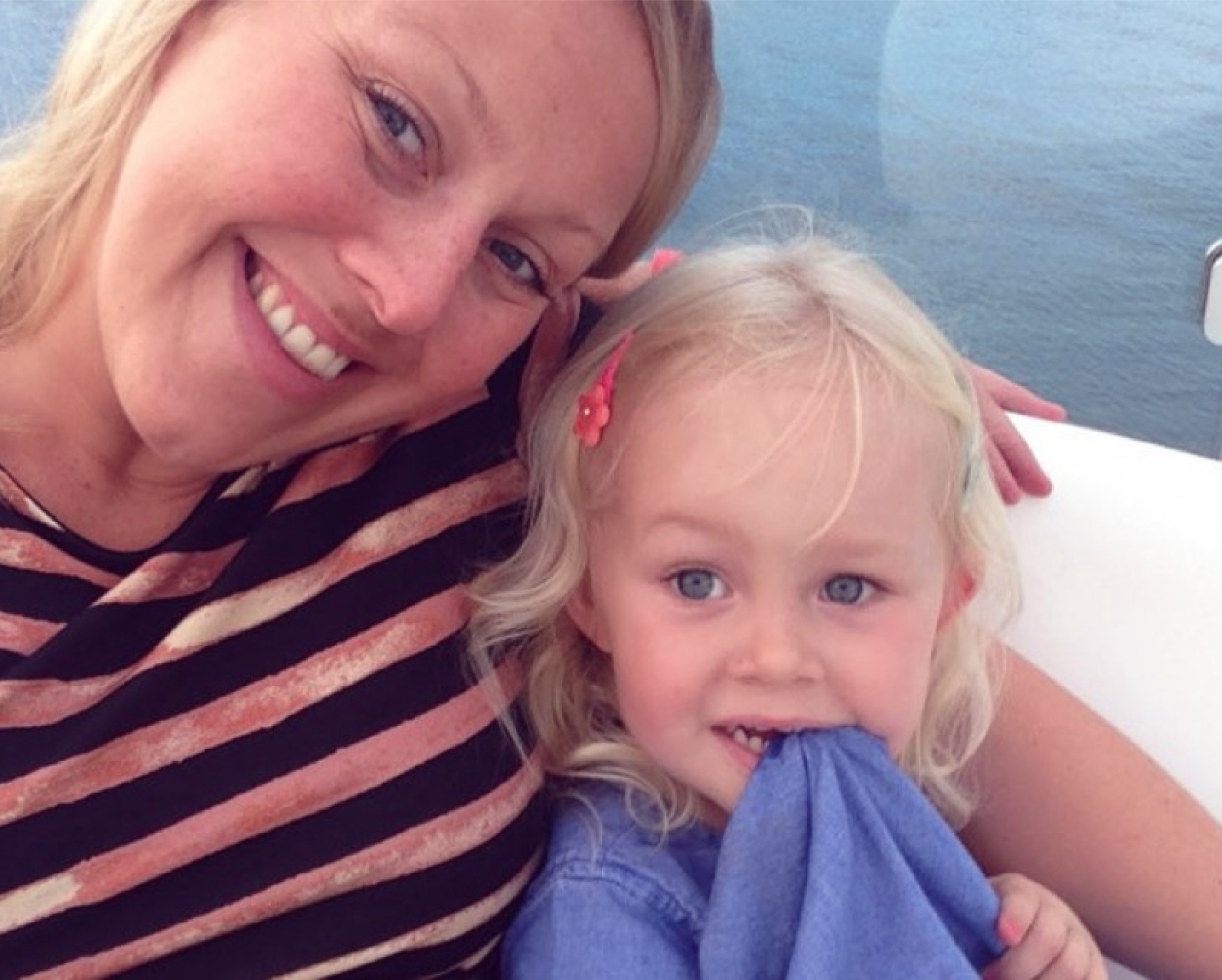
Kate had been living with severe pelvic pain from endometriosis for over a decade. Laparoscopic excision surgery with Mr Broome removed the deposits and she returned to work and regular exercise pain-free.
Read more
After menopause Kaye developed a bothersome vaginal vault prolapse that stopped her running and swimming. A laparoscopic sacrocolpopexy with Mr Broome resolved the symptoms and she is back to daily exercise.
Read moreCommon Questions
Answers to the questions patients ask most often about PCOS, testing and management at The Pelvic Clinic.
By a combination of a clinical history, blood tests for hormones and metabolic markers, and a pelvic ultrasound. Two of three features are needed for a formal diagnosis.
No. Most women with PCOS can conceive, often with modest medical help such as ovulation induction. Fertility is one of the most treatable aspects of the condition.
Even a 5 to 10 per cent reduction in body weight can restore cycles and improve fertility for women with a raised BMI. Weight is only one factor and treatment supports women at any weight.
It reduces insulin resistance, helping to regulate cycles, restore ovulation and reduce the long-term risk of type 2 diabetes.
PCOS is a long-term condition, but not everyone needs continuous medication. Ongoing review helps target treatment at whichever symptoms matter most at each life stage.
Very infrequent periods allow the womb lining to build up unopposed, which increases long-term risk. A withdrawal bleed or Mirena coil at least every three to four months protects the lining.
Higher risk of type 2 diabetes, cardiovascular disease and endometrial thickening. Good management brings these risks close to background levels.
There is no cure, but PCOS can be managed very effectively. Symptoms often ease with age, and treatment is targeted at what matters most to you.
Options include combined oral contraceptives, anti-androgens such as spironolactone, and topical or laser treatment. A tailored plan usually gives the best result.
Self-pay and insured patients are usually seen within a week or two. Blood tests and an ultrasound are arranged at or shortly after the first appointment.