
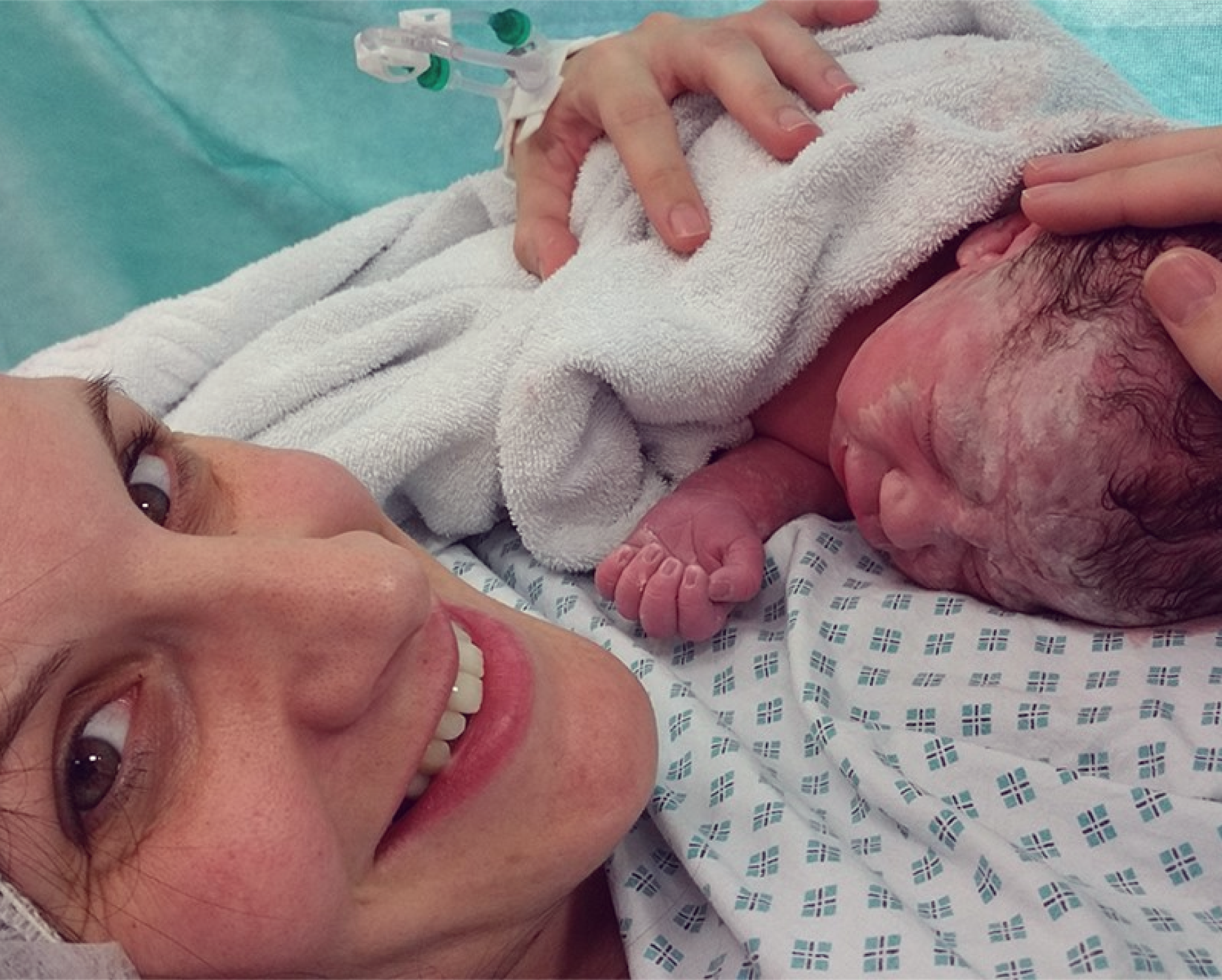
Alison
A difficult labour left Alison with a uterine and vaginal wall prolapse. A keyhole sacrohysteropexy with Mr Broome lifted the uterus back into place and let her go on to have a healthy second baby.
Read more
Treatments & Procedures
Laparoscopic salpingo-oophorectomy is the keyhole removal of one or both ovaries and their fallopian tubes. Most women are home the same day and back to normal activity within two weeks.
At The Pelvic Clinic Mr Broome performs the operation using three or four small incisions of five to ten millimetres, with modern instruments and camera technology.
Book an Appointment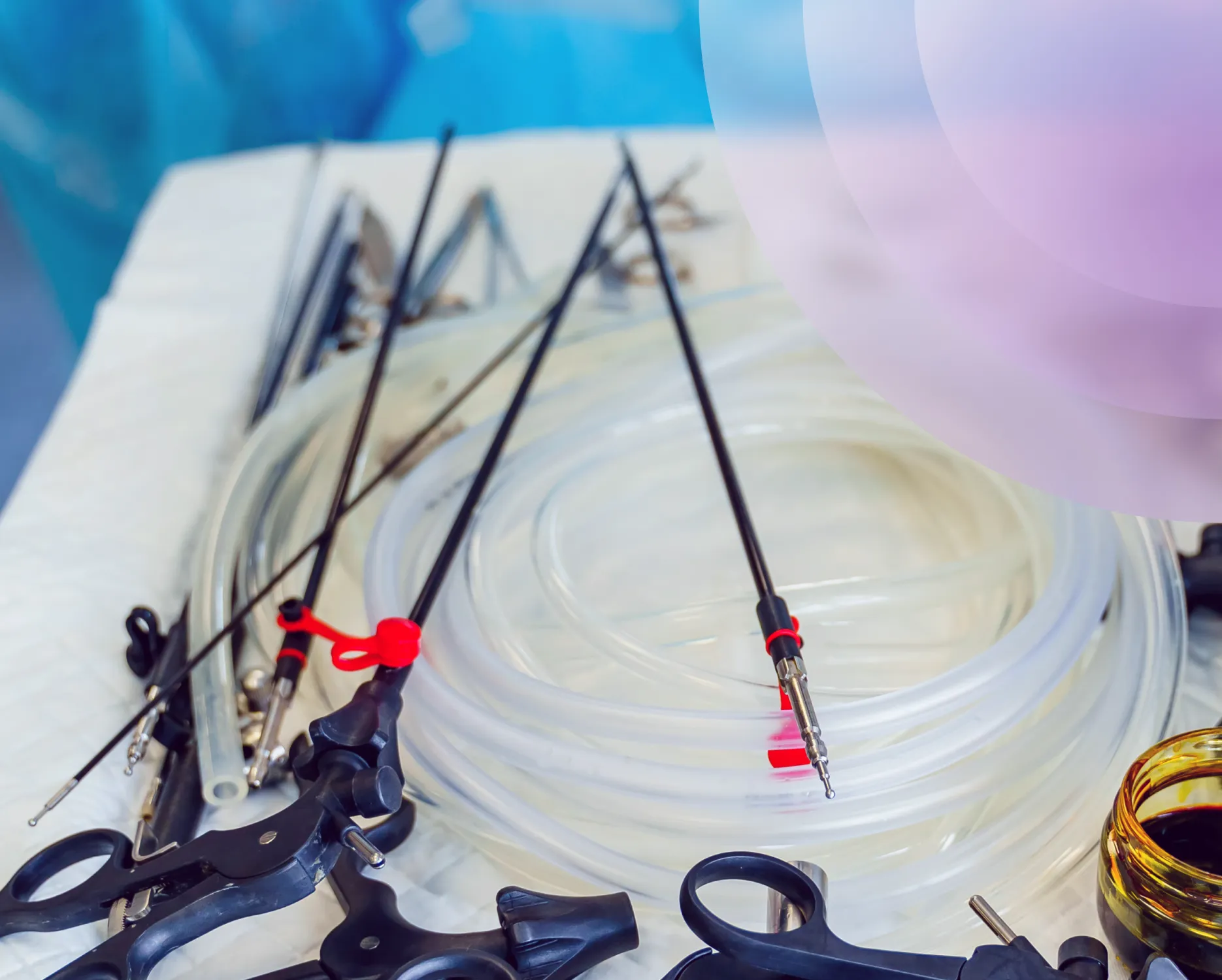

Overview
Salpingo-oophorectomy is the surgical removal of a fallopian tube (salpingectomy) and its ovary (oophorectomy). It can be done on one side (unilateral) or both sides (bilateral).
Laparoscopic means it is performed through small keyhole cuts using a camera and long slim instruments, rather than through a larger open cut. This reduces pain, hospital stay and time off work.
Who It Suits
A cyst that will not settle on repeated scans, or is causing pain, pressure or bleeding into the ovary.
Ultrasound or MRI features that need histology to rule out anything sinister, or a raised CA125 with a concerning cyst.
An endometrioma of the ovary or extensive pelvic endometriosis that has not responded to other treatment.
Risk-reducing surgery in women with a genetic mutation or a very strong family history of ovarian and breast cancer.
An ectopic pregnancy that has damaged the tube beyond repair, or has been treated more than once.
Removal of both ovaries at the time of hysterectomy in women needing complete oestrogen suppression.
The decision to remove an ovary is never taken lightly. Where possible, ovarian tissue is preserved to protect natural hormone production.
Step by Step
The operation is done under general anaesthetic. Most patients are admitted on the day of surgery and discharged the same day or the next morning.
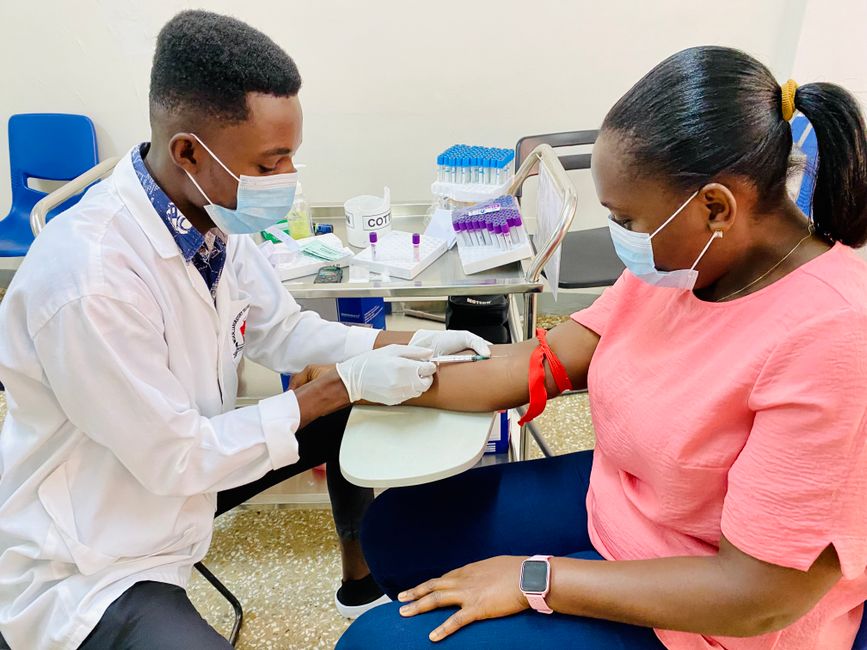
A pre-op appointment with blood tests, an ECG where needed and a full discussion of risks, benefits and the alternatives.
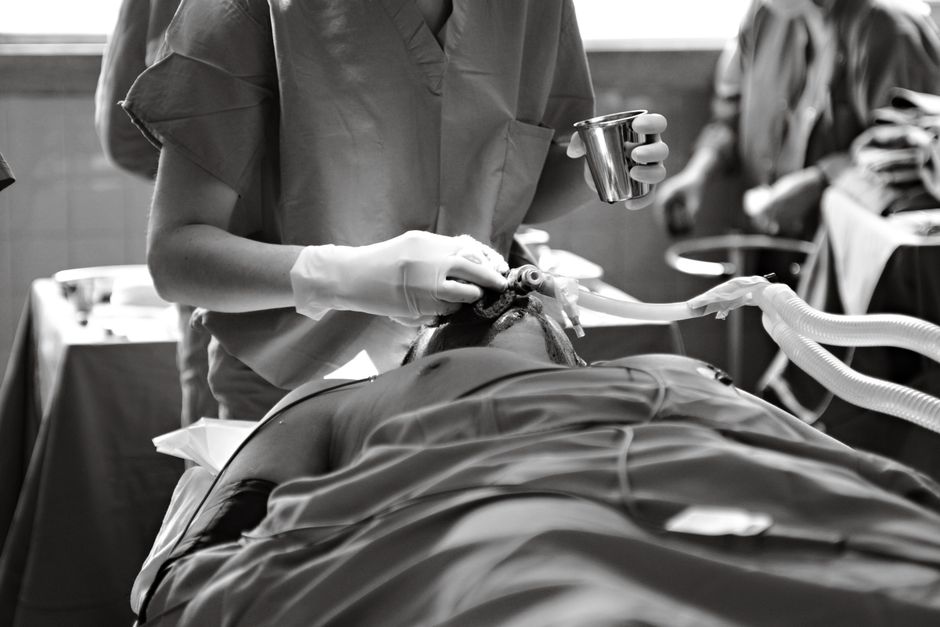
You are looked after by a consultant anaesthetist, asleep for the whole procedure, which normally lasts 40 to 90 minutes.
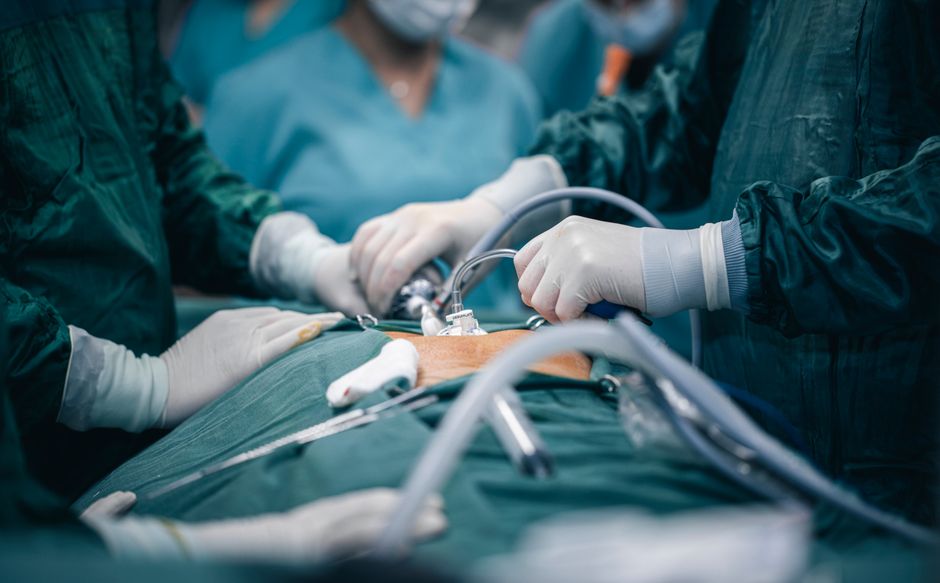
Three or four small cuts allow a camera and instruments in. The tube and ovary are separated from surrounding tissue and removed through one of the ports.
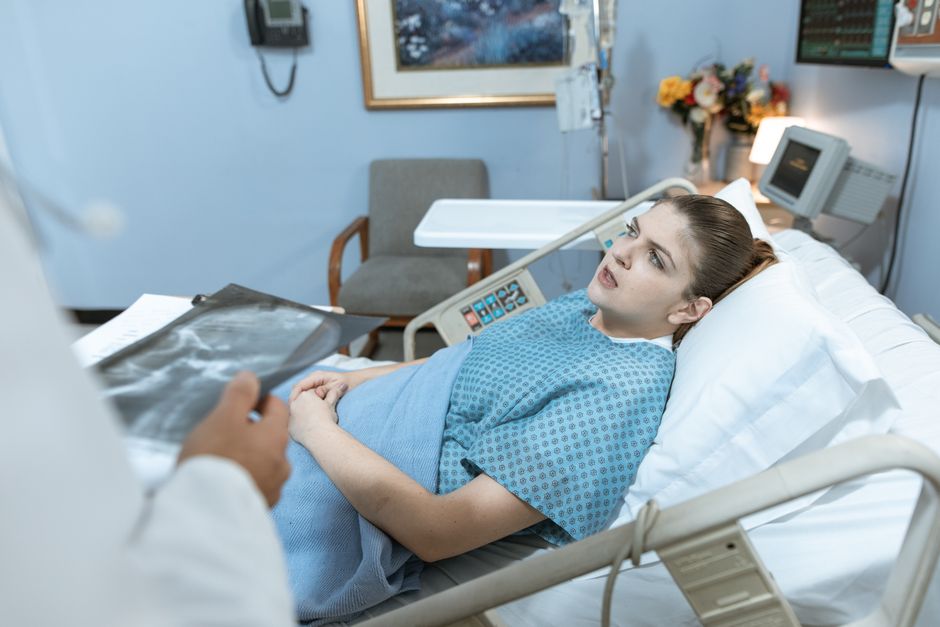
You wake up in recovery, have a light meal a few hours later and are usually home the same day, with pain relief and follow-up arranged.
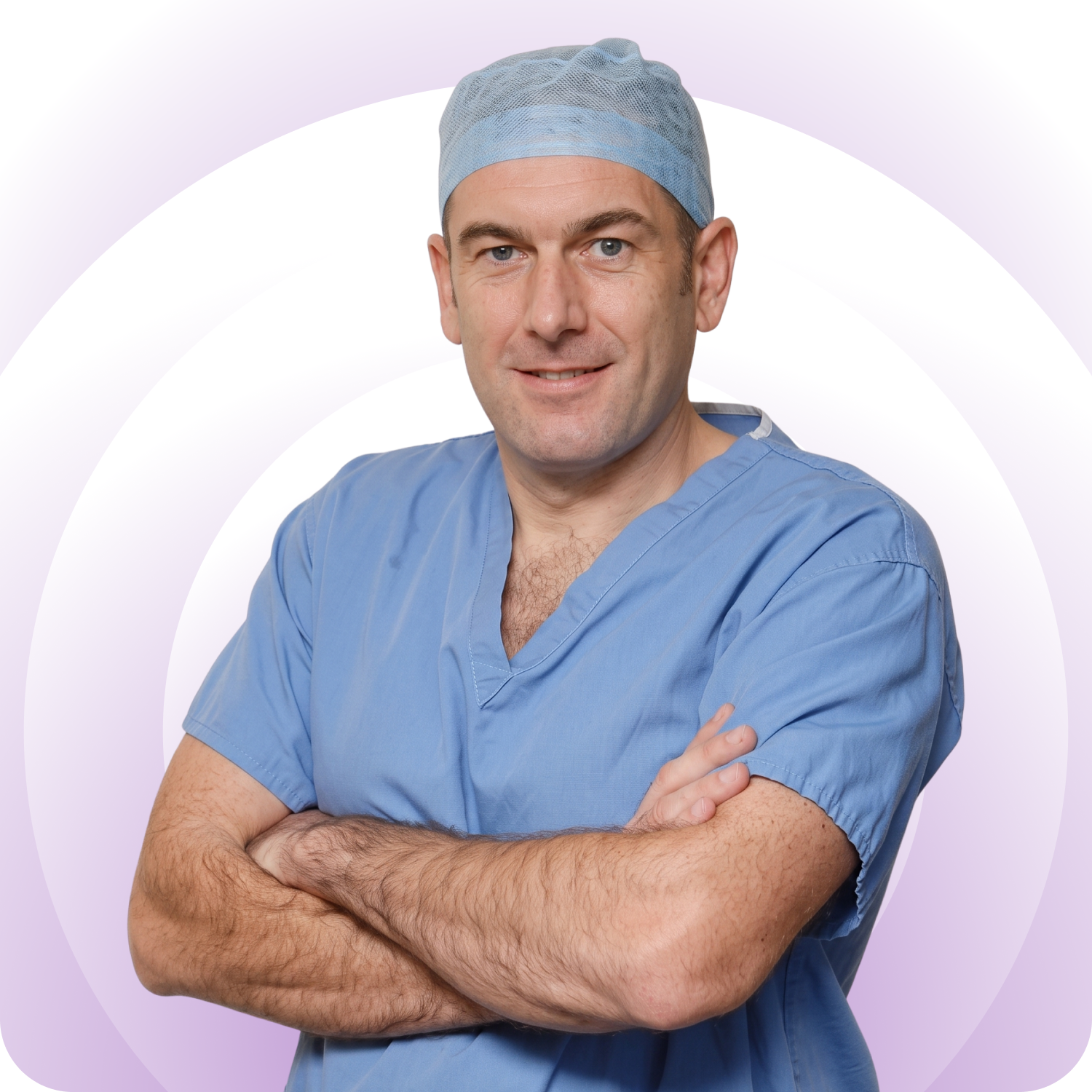
About Mr Broome
Mr Jonathan Broome (MBChB, MRCOG) is a Consultant Gynaecologist known locally and nationally for treating pelvic floor disorders such as urinary incontinence and prolapse, alongside heavy or painful periods, endometriosis, fibroids and menopausal problems. He founded The Pelvic Clinic to give women the time, care and clear answers their symptoms deserve.
In Our Patients’ Words
Verified reviews from patients seen by Mr Broome, shared through Doctify.

Verified patient • 14 March 2026
“For the first time I felt genuinely listened to. Everything was explained clearly and I never felt rushed. The whole team were so kind and reassuring.”
Patient seen for:
Verified patient • 02 February 2026
“After years of struggling I finally had a plan. Calm, kind and completely professional throughout. I would not hesitate to recommend Mr Broome.”
Patient seen for:
Verified patient • 19 January 2026
“Discreet, thorough and reassuring. I wish I had come sooner rather than waiting so long in discomfort. The follow-up care was exceptional.”
Patient seen for:
Verified patient • 05 December 2025
“The consultation felt unhurried and I left with a clear plan. My recovery from surgery was much easier than I expected and the practice team kept in touch throughout.”
Patient seen for:
Verified patient • 18 November 2025
“Excellent expertise combined with genuine warmth. I finally have answers after years of being told it was just my age. Truly grateful to Mr Broome and his team.”
Patient seen for:
Verified patient • 30 October 2025
“Professional and personal in equal measure. Every question was answered patiently and I felt in safe hands from the first appointment onwards.”
Patient seen for:
Real Patient Journeys
A snapshot of what treatment with a laparoscopic salpingo-oophorectomy can look like at The Pelvic Clinic.
A difficult labour left Alison with a uterine and vaginal wall prolapse. A keyhole sacrohysteropexy with Mr Broome lifted the uterus back into place and let her go on to have a healthy second baby.
Read more
Years of flooding periods and iron-deficiency anaemia caused by fibroids. A keyhole myomectomy with Mr Broome removed the fibroids, restored Jane’s iron levels within three months and brought her cycle back to normal.
Read more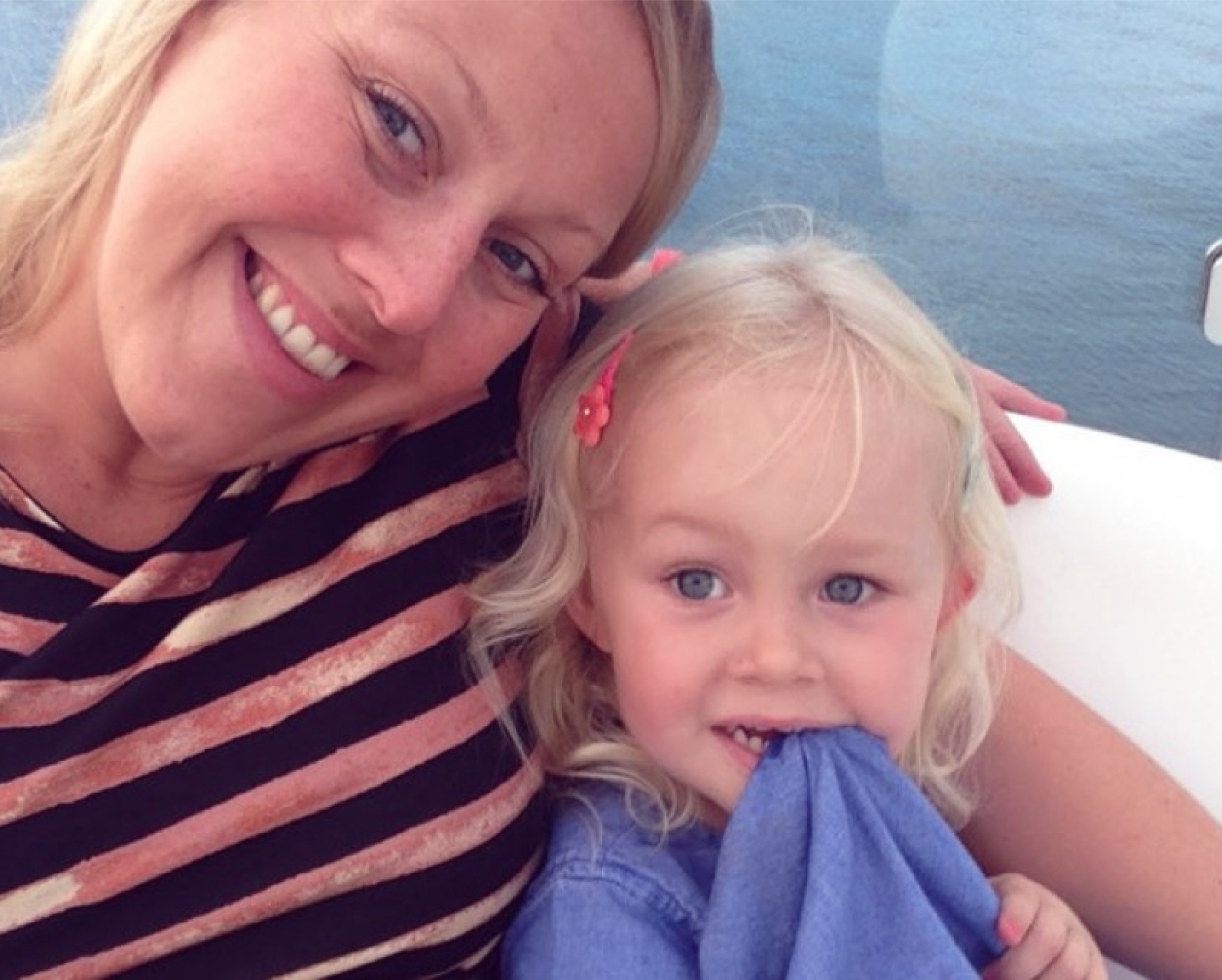
Kate had been living with severe pelvic pain from endometriosis for over a decade. Laparoscopic excision surgery with Mr Broome removed the deposits and she returned to work and regular exercise pain-free.
Read more
After menopause Kaye developed a bothersome vaginal vault prolapse that stopped her running and swimming. A laparoscopic sacrocolpopexy with Mr Broome resolved the symptoms and she is back to daily exercise.
Read moreCommon Questions
Answers to the questions patients ask most often about laparoscopic salpingo-oophorectomy at The Pelvic Clinic.
If both ovaries are removed before your natural menopause, you will enter surgical menopause. If only one ovary is removed, or you are already post-menopausal, this does not apply.
Usually between 40 and 90 minutes, depending on whether one or both sides are being removed and whether there are adhesions to deal with.
Most patients go home the same day. Occasionally an overnight stay is helpful, particularly if surgery was more complex than expected.
Most women return to desk work in one to two weeks and to full activity, including exercise, within four to six weeks.
If both ovaries are removed and you are pre-menopausal, HRT is usually recommended to protect your bones, heart and quality of life until at least the age of natural menopause.
Bleeding, infection, injury to nearby structures such as the bowel or bladder, and blood clots. Serious complications are uncommon in experienced hands.
You will have three or four small scars of five to ten millimetres, usually placed to be inconspicuous, which fade over the first year.
Yes, but waiting times are often long. Self-pay and insured patients are usually seen within one to two weeks and treated within four to six.
One ovary is usually enough for natural fertility. Removing both ends natural fertility, so egg freezing may be considered beforehand where appropriate.
Most women describe mild to moderate discomfort for a few days, well controlled by simple painkillers. Shoulder tip pain from residual gas usually settles within 24 to 48 hours.