

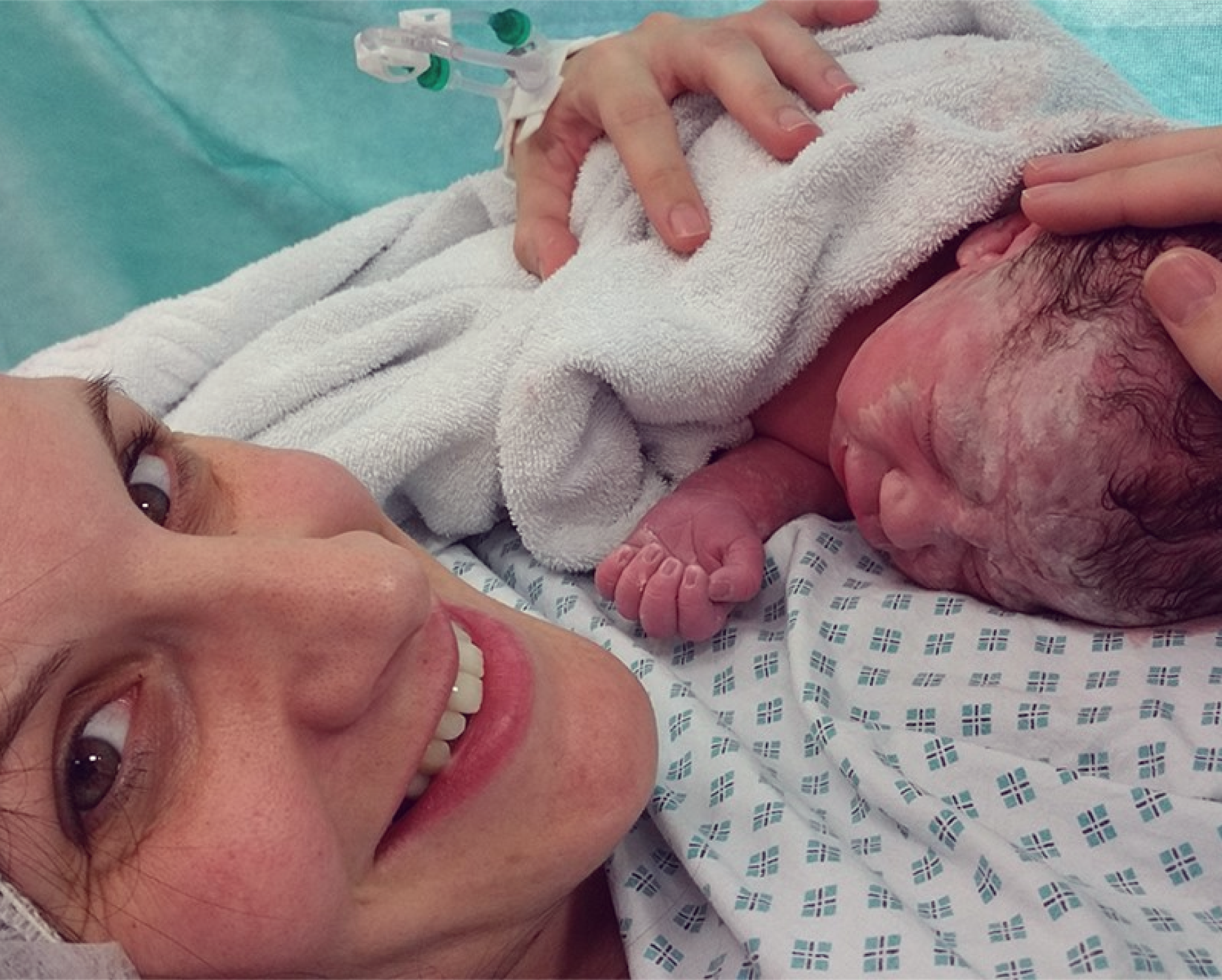
Alison
A difficult labour left Alison with a uterine and vaginal wall prolapse. A keyhole sacrohysteropexy with Mr Broome lifted the uterus back into place and let her go on to have a healthy second baby.
Read more
Conditions & Treatments
Endometriosis is a common but often overlooked cause of pelvic pain, heavy periods and subfertility. Left unaddressed it can shape years of your life around the calendar of your cycle.
At The Pelvic Clinic, Mr Broome gives you an unhurried appointment, a clear diagnosis and a treatment plan built around your symptoms — from medical management through to expert keyhole surgery.
Book an Appointment
Overview
Endometriosis is a common condition where tissue resembling the womb lining (the endometrium) grows in other areas of the body such as the fallopian tubes, ovaries, bladder, bowel, vagina or rectum.
Endometriosis is estimated to affect 2 million women in the UK. It is seen most frequently in women between the ages of 25 and 40.
What to Look For
Some women feel nothing unusual and only find out when they are investigated for something else.
Periods that turn heavy, irregular or far more painful than they used to be.
Aching or cramping low in the tummy, pelvis or back, often worse around your period.
Deep pain during sex, or a soreness that lingers for hours afterwards.
Discomfort passing urine or opening your bowels, particularly during your period.
Difficulty conceiving, which is sometimes the first sign that endometriosis is present.
The severity of the symptoms is not necessarily proportionate to how serious the condition is. Even the smallest amount of endometriosis can cause severe pain.
What Causes It
The exact cause of endometriosis is not fully understood, but several factors are thought to contribute to how and why it develops.
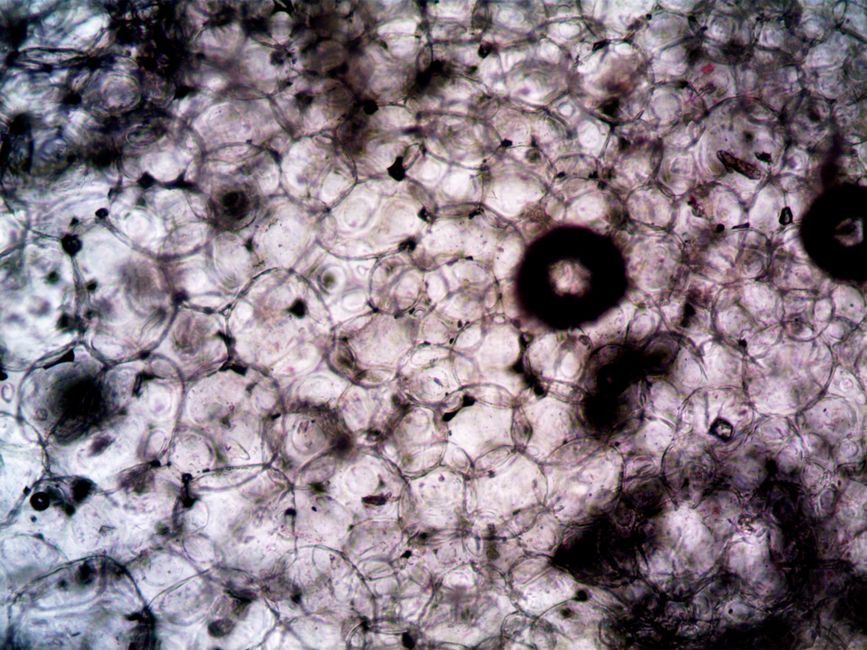
Menstrual blood containing endometrial cells flows back through the fallopian tubes into the pelvic cavity, where the cells implant and grow.
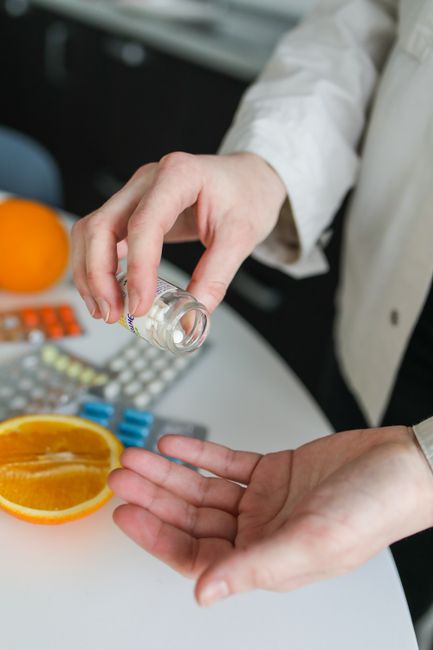
Cells outside the uterus can transform into endometrial-like tissue under the influence of hormones or other environmental factors.
A problem with the immune system may prevent the body from recognising and clearing endometrial-like tissue growing outside the uterus.
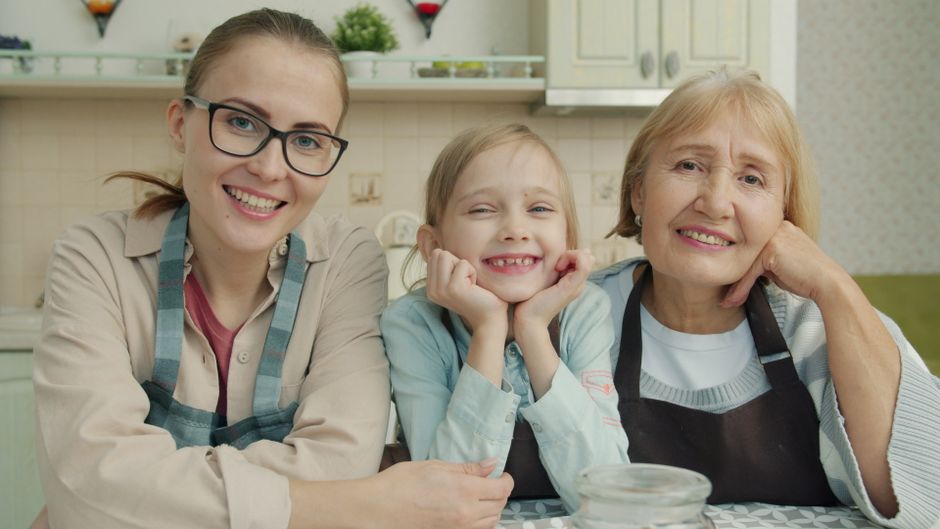
Endometriosis often runs in families, suggesting genetic factors play a role in who develops the condition and how severely it presents.
Treatments Available
From hormonal management to expert keyhole excision, treatment is built around your symptoms, your priorities and your plans for the future.
Tailored hormonal treatment settles endometrial deposits and reduces monthly bleeding and pain. Options include the combined pill, progestogens and the Mirena coil.
Keyhole surgery to excise endometriosis deposits from the pelvis with precision. Most women are home the same day and return to normal life within two weeks.
A layered plan of analgesia, physiotherapy and lifestyle support to control day-to-day pain. Used alongside surgical and hormonal treatment where needed.
Where endometriosis is affecting fertility, we plan surgery and hormonal treatment around your goals. Referral for assisted conception is arranged where useful.

About Mr Broome
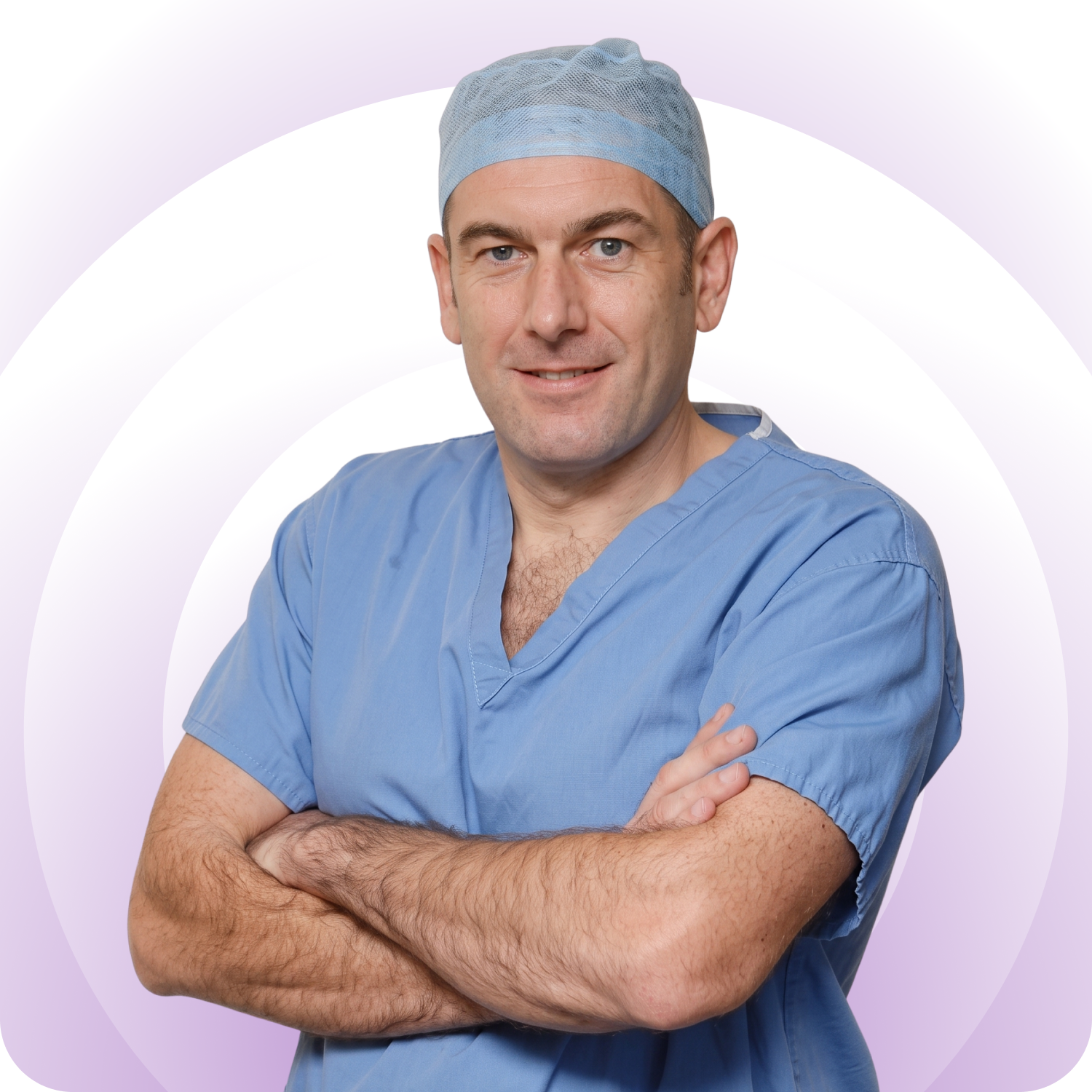
Mr Jonathan Broome (MBChB, MRCOG) is a Consultant Gynaecologist known locally and nationally for treating pelvic floor disorders such as urinary incontinence and prolapse, alongside heavy or painful periods, endometriosis, fibroids and menopausal problems. He founded The Pelvic Clinic to give women the time, care and clear answers their symptoms deserve.
In Our Patients’ Words
Verified reviews from patients seen by Mr Broome, shared through Doctify.
Real Patient Journeys
A snapshot of the kinds of results we see for women treated for endometriosis at The Pelvic Clinic.
A difficult labour left Alison with a uterine and vaginal wall prolapse. A keyhole sacrohysteropexy with Mr Broome lifted the uterus back into place and let her go on to have a healthy second baby.
Read more
Years of flooding periods and iron-deficiency anaemia caused by fibroids. A keyhole myomectomy with Mr Broome removed the fibroids, restored Jane’s iron levels within three months and brought her cycle back to normal.
Read more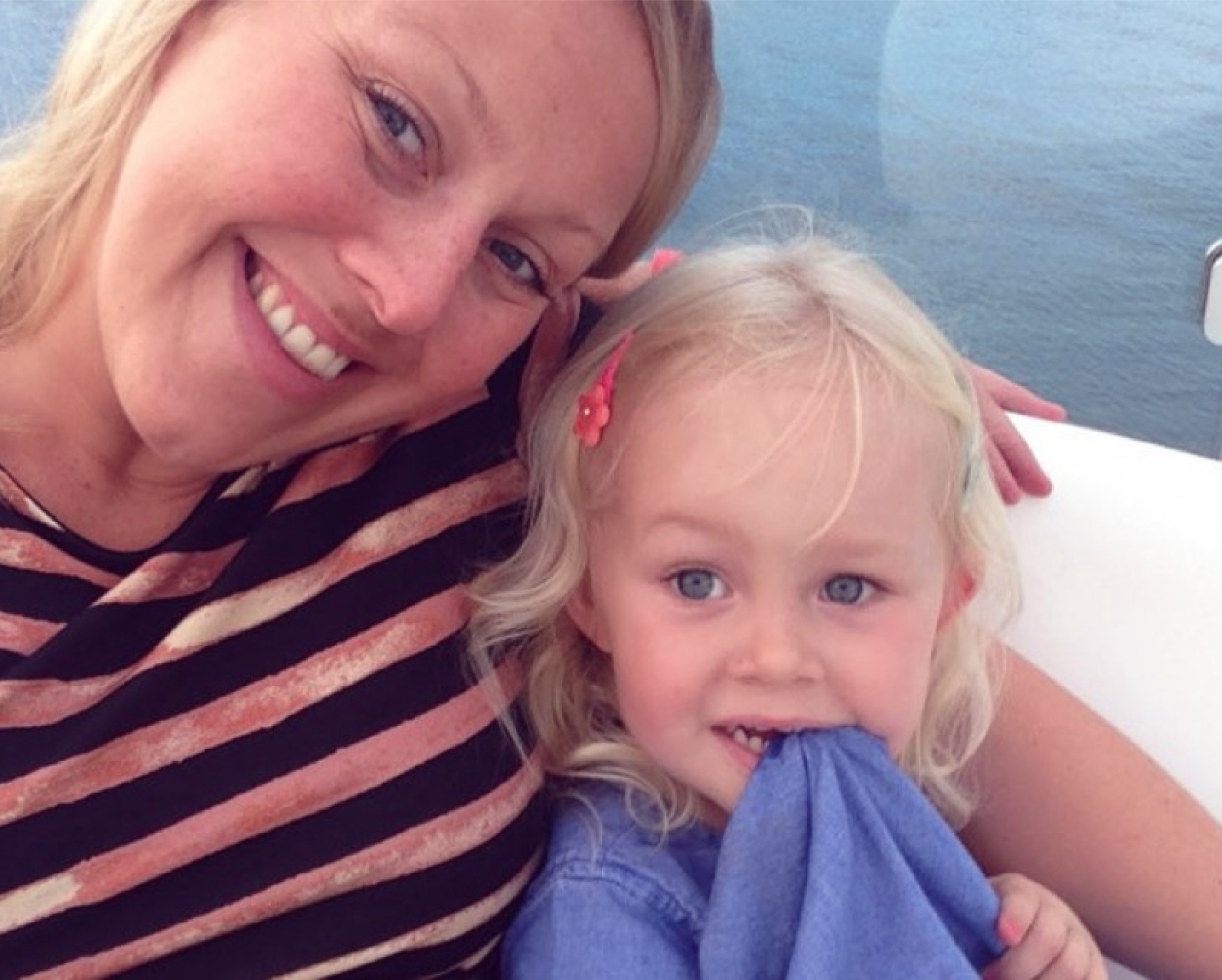
Kate had been living with severe pelvic pain from endometriosis for over a decade. Laparoscopic excision surgery with Mr Broome removed the deposits and she returned to work and regular exercise pain-free.
Read more
After menopause Kaye developed a bothersome vaginal vault prolapse that stopped her running and swimming. A laparoscopic sacrocolpopexy with Mr Broome resolved the symptoms and she is back to daily exercise.
Read moreCommon Questions
Answers to the questions patients ask most often about endometriosis, diagnosis and treatment at The Pelvic Clinic. If your question is not here, please get in touch — we are happy to help.
A laparoscopy (keyhole surgery) is the only way to make a definitive diagnosis. Scans and examinations can suggest endometriosis, but only direct visualisation of the pelvis confirms it.
There is no permanent cure, but symptoms can be controlled very effectively with a combination of surgery, hormonal treatment, pain relief and lifestyle changes tailored to you.
Endometriosis can affect fertility, but many women with the condition conceive naturally. Where fertility is a concern, treatment is planned around your goals.
Laparoscopy is a well-established, minimally invasive procedure with a strong safety record. Recovery is much quicker than open surgery and most women go home the same day or the next.
Self-pay and insured patients can usually be seen within a week or two — often much sooner than the NHS wait for a specialist opinion.
It can. Recurrence rates vary, but thorough excision by an experienced surgeon significantly reduces the chance of the disease returning. Where appropriate, hormonal treatment after surgery can help keep symptoms under control.
Yes — gentle, regular exercise often helps with pain, mood and general wellbeing. Many women find low-impact activities such as walking, swimming, yoga or Pilates particularly comfortable, especially around the time of their period.
For some women, reducing inflammatory foods and adjusting fibre intake helps with bloating, bowel symptoms and overall pain. Diet alone will not treat the disease, but it can be a useful part of a wider plan.
Endometriosis is more common in women with adenomyosis, fibroids and certain autoimmune or bowel conditions. Your consultation includes time to look at the whole picture, not just one symptom in isolation.
For most women, no. Modern treatment focuses on removing endometriosis deposits and controlling symptoms with medical or keyhole surgical options. Hysterectomy is only considered in specific cases and always as part of a shared decision.