
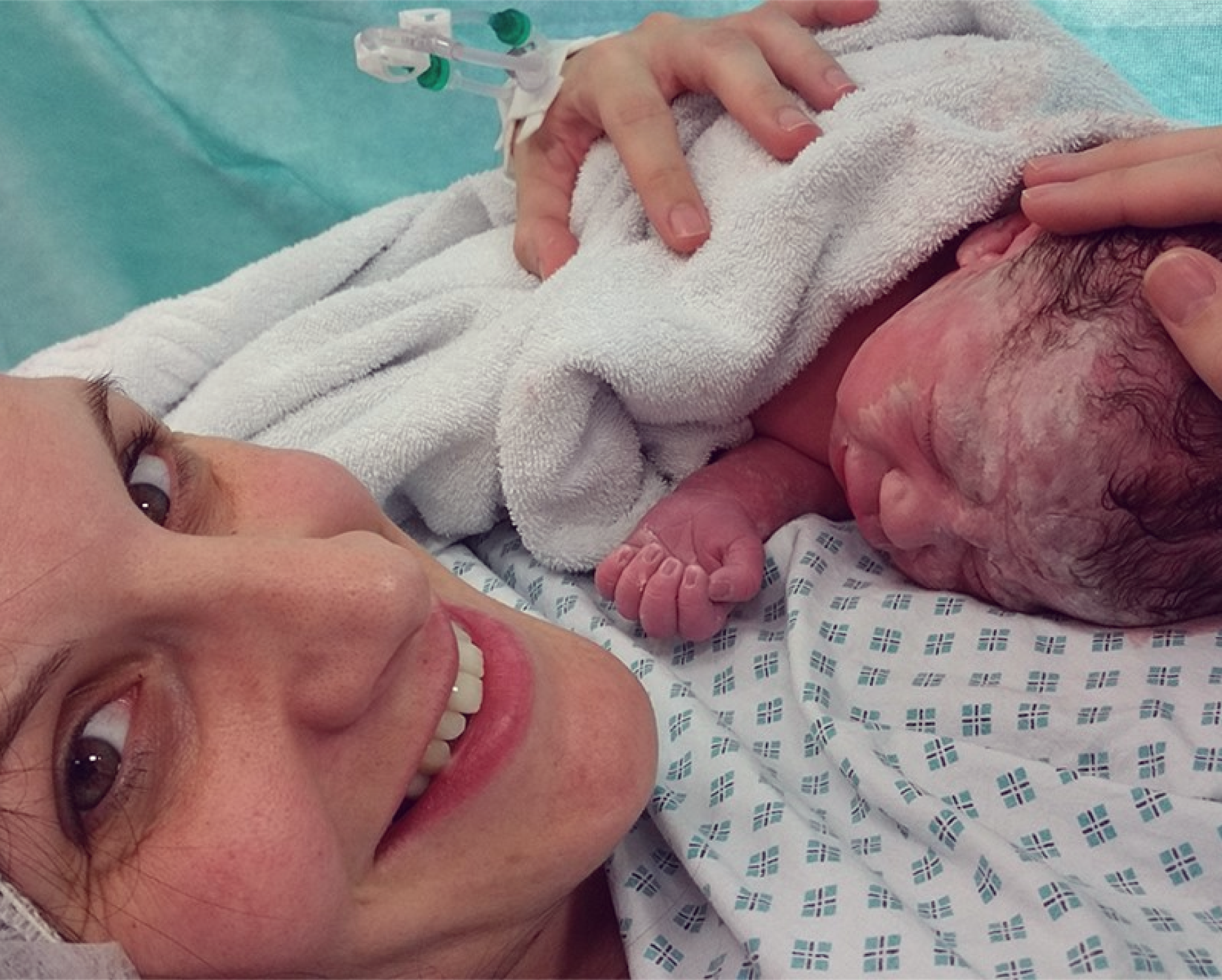
Alison
A difficult labour left Alison with a uterine and vaginal wall prolapse. A keyhole sacrohysteropexy with Mr Broome lifted the uterus back into place and let her go on to have a healthy second baby.
Read more
Treatments & Procedures
The average age of menopause in the UK is 51, and symptoms typically begin four to eight years before that. A private menopause consultation gives you time, an accurate diagnosis and a personalised plan.
At The Pelvic Clinic Mr Broome offers a full menopause assessment, evidence-based HRT and non-hormonal options, and long-term management of bone, heart and pelvic health.
Book an Appointment

Overview
The menopause clinic is a dedicated consultation for women in perimenopause, menopause or post-menopause. It covers symptoms, HRT options, non-hormonal treatment, and long-term health risk assessment.
The consultation is unhurried, uses UK NICE guidance and current British Menopause Society recommendations, and results in a written summary and prescription plan you can share with your GP.
Who It Suits
Sudden sensations of intense heat that disturb sleep and daily life.
Difficulty falling asleep, waking through the night or feeling unrefreshed in the morning.
Low mood, irritability or new anxiety that starts around the menopause.
Symptoms of genitourinary syndrome of menopause, often responsive to local oestrogen.
Difficulty concentrating, finding words or holding tasks in mind, worst around the perimenopause.
Long-term risk assessment for osteoporosis and cardiovascular disease, and evidence on how HRT can influence both.
A private consultation lets us give the time and continuity needed to get HRT right for you, without the ten-minute GP slot pressure.
Step by Step
The first appointment typically takes 45 to 60 minutes. Follow-up reviews take about 20 to 30 minutes.

A structured review of your symptoms, cycle, medical history, medications and family history, using a standard menopause symptom scale.
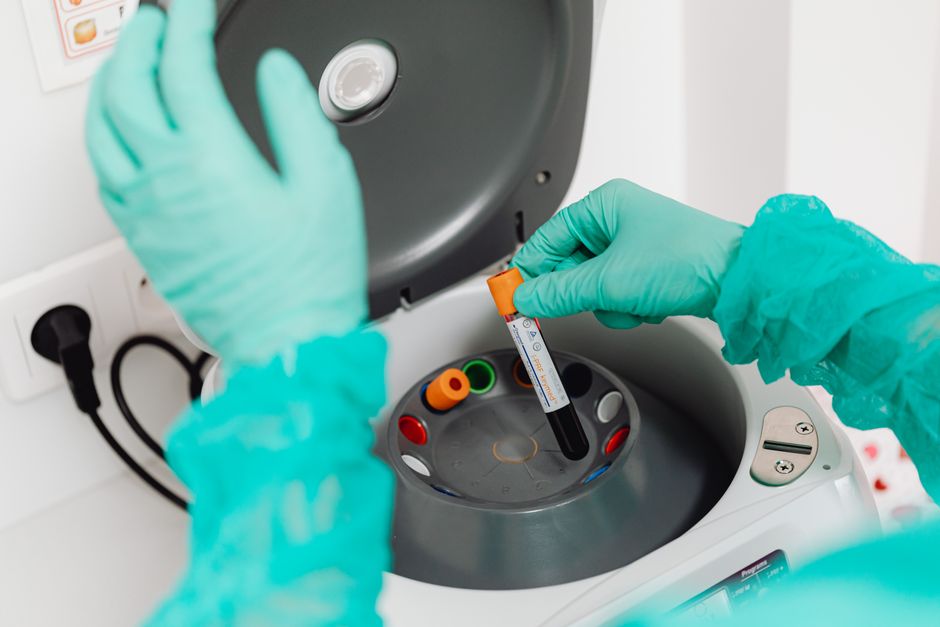
FSH, oestradiol, thyroid and other tests where they add information; not always needed for women over 45 with clear symptoms.

A discussion of oestrogen route (patch, gel or spray), progestogen options (including Mirena) and non-hormonal alternatives where HRT is unsuitable.

A first review at three months, then annually, with dose or route adjusted based on symptoms and side effects.

About Mr Broome
Mr Jonathan Broome (MBChB, MRCOG) is a Consultant Gynaecologist known locally and nationally for treating pelvic floor disorders such as urinary incontinence and prolapse, alongside heavy or painful periods, endometriosis, fibroids and menopausal problems. He founded The Pelvic Clinic to give women the time, care and clear answers their symptoms deserve.
In Our Patients’ Words
Verified reviews from patients seen by Mr Broome, shared through Doctify.

Verified patient • 14 March 2026
“For the first time I felt genuinely listened to. Everything was explained clearly and I never felt rushed. The whole team were so kind and reassuring.”
Patient seen for:
Verified patient • 02 February 2026
“After years of struggling I finally had a plan. Calm, kind and completely professional throughout. I would not hesitate to recommend Mr Broome.”
Patient seen for:
Verified patient • 19 January 2026
“Discreet, thorough and reassuring. I wish I had come sooner rather than waiting so long in discomfort. The follow-up care was exceptional.”
Patient seen for:
Verified patient • 05 December 2025
“The consultation felt unhurried and I left with a clear plan. My recovery from surgery was much easier than I expected and the practice team kept in touch throughout.”
Patient seen for:
Verified patient • 18 November 2025
“Excellent expertise combined with genuine warmth. I finally have answers after years of being told it was just my age. Truly grateful to Mr Broome and his team.”
Patient seen for:
Verified patient • 30 October 2025
“Professional and personal in equal measure. Every question was answered patiently and I felt in safe hands from the first appointment onwards.”
Patient seen for:
Real Patient Journeys
A snapshot of what menopause care can look like at The Pelvic Clinic.
A difficult labour left Alison with a uterine and vaginal wall prolapse. A keyhole sacrohysteropexy with Mr Broome lifted the uterus back into place and let her go on to have a healthy second baby.
Read more
Years of flooding periods and iron-deficiency anaemia caused by fibroids. A keyhole myomectomy with Mr Broome removed the fibroids, restored Jane’s iron levels within three months and brought her cycle back to normal.
Read more
Kate had been living with severe pelvic pain from endometriosis for over a decade. Laparoscopic excision surgery with Mr Broome removed the deposits and she returned to work and regular exercise pain-free.
Read more
After menopause Kaye developed a bothersome vaginal vault prolapse that stopped her running and swimming. A laparoscopic sacrocolpopexy with Mr Broome resolved the symptoms and she is back to daily exercise.
Read moreCommon Questions
Answers to the questions patients ask most often about menopause care at The Pelvic Clinic.
For most women over 45 with clear symptoms, no. Blood tests are useful for younger women, unusual patterns, or to guide dosing.
For most women, HRT is safe and provides significant symptom and long-term benefit. Modern transdermal oestrogen does not increase the risk of blood clots.
HRT does not cause weight gain. Many women find weight is easier to manage on HRT because sleep, energy and motivation improve.
Systemic HRT is not usually recommended after breast cancer, but non-hormonal options work well and vaginal oestrogen is often safe.
Most women feel a clear difference within two to four weeks. It usually takes three to six months to reach the best dose for you.
Yes, until 12 months after your last period if you are over 50, or 24 months if you are under 50. HRT is not a contraceptive.
HRT can be continued long-term where the benefits outweigh the risks, reviewed annually.
Testosterone is used off-licence for low sexual desire that has not responded to standard HRT. It is not licensed in women in the UK but is well established in specialist practice.
Yes. A written summary and prescription plan is provided so your GP can continue prescribing safely once you are stable.
Self-pay and insured patients are usually seen within one to two weeks.