

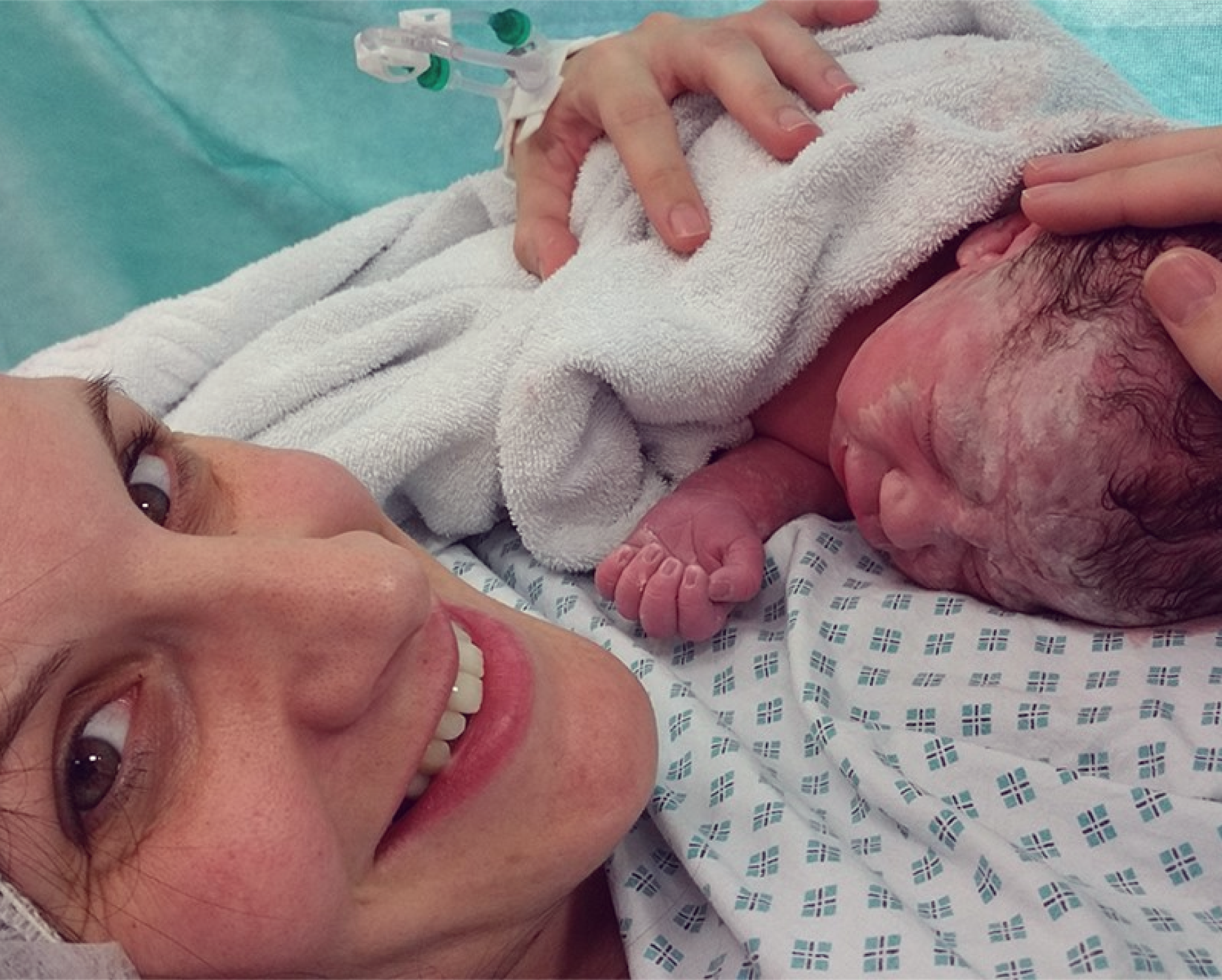
Alison
A difficult labour left Alison with a uterine and vaginal wall prolapse. A keyhole sacrohysteropexy with Mr Broome lifted the uterus back into place and let her go on to have a healthy second baby.
Read more
Conditions & Treatments
Ovarian cysts are fluid-filled sacs that form on or inside the ovary. Most are benign and settle on their own, but some cause pain, pressure or need to be removed.
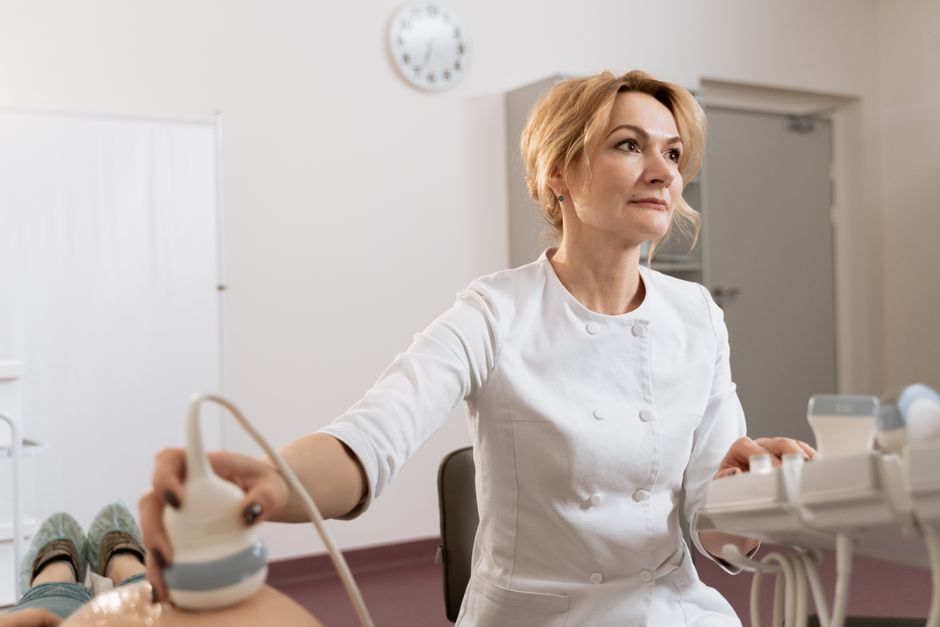
At The Pelvic Clinic Mr Broome offers pelvic ultrasound, tumour marker blood tests and expert laparoscopic surgery, with careful monitoring of cysts that do not need treatment.
Book an Appointment
Overview
An ovarian cyst is a sac of fluid or semi-solid tissue that develops on or within an ovary. The great majority form as part of the normal ovulation cycle and resolve by themselves.
Cysts become clinically important when they are large, persistent, painful, or have features on ultrasound that need further assessment. Most women with cysts have no symptoms at all.
What to Look For
A dull ache low in the pelvis, sometimes only on one side.
A sudden, brief pain mid-cycle that can occasionally be severe.
A feeling of fullness or a visible swelling of the lower abdomen.
Deep pain during intercourse, particularly in certain positions.
Periods that become heavier, lighter or irregular as the cyst persists.
Needing to pass water more often as the cyst presses on the bladder.
Sudden, severe pelvic pain with an ovarian cyst can mean torsion of the ovary and needs urgent assessment on the same day.
What Causes It
Ovarian cysts have several distinct origins. The most common are described below.
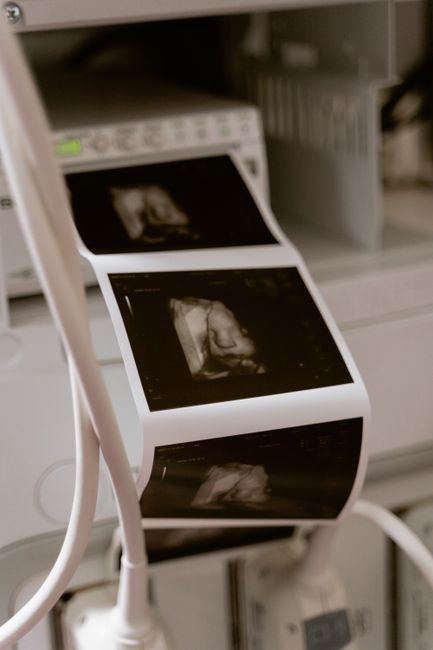
Follicular and corpus luteum cysts form as part of the normal menstrual cycle. They are the commonest kind and almost always resolve within two or three cycles.

Also called chocolate cysts. They form when endometriosis affects the ovary and are filled with old blood. They rarely resolve on their own.
Benign germ-cell tumours that can contain hair, skin or fatty tissue. They rarely shrink and are usually removed to prevent ovarian torsion.
Benign growths of the surface cells of the ovary. They can grow large, cause pressure symptoms and usually need surgical removal.
Treatments Available
Many cysts settle on their own; some need removal. We take the time to work out which yours is and, when surgery is needed, take the ovary-sparing approach.
Small, simple cysts are usually monitored with follow-up ultrasound. Most functional cysts resolve on their own within a few months.
A short course of the combined pill or the Mirena coil calms the ovary and prevents new functional cysts forming. Useful for recurrent cysts.
Keyhole removal of the cyst while preserving as much healthy ovarian tissue as possible. Most women go home the same day.
Removal of the ovary itself, usually keyhole, for complex or recurrent cysts. Always discussed carefully alongside your age and fertility plans.


About Mr Broome
Mr Jonathan Broome (MBChB, MRCOG) is a Consultant Gynaecologist known locally and nationally for treating pelvic floor disorders such as urinary incontinence and prolapse, alongside heavy or painful periods, endometriosis, fibroids and menopausal problems. He founded The Pelvic Clinic to give women the time, care and clear answers their symptoms deserve.
In Our Patients’ Words
Verified reviews from patients seen by Mr Broome, shared through Doctify.
Real Patient Journeys
A snapshot of the outcomes women see after being treated for ovarian cysts at The Pelvic Clinic.
A difficult labour left Alison with a uterine and vaginal wall prolapse. A keyhole sacrohysteropexy with Mr Broome lifted the uterus back into place and let her go on to have a healthy second baby.
Read more
Years of flooding periods and iron-deficiency anaemia caused by fibroids. A keyhole myomectomy with Mr Broome removed the fibroids, restored Jane’s iron levels within three months and brought her cycle back to normal.
Read more
Kate had been living with severe pelvic pain from endometriosis for over a decade. Laparoscopic excision surgery with Mr Broome removed the deposits and she returned to work and regular exercise pain-free.
Read more
After menopause Kaye developed a bothersome vaginal vault prolapse that stopped her running and swimming. A laparoscopic sacrocolpopexy with Mr Broome resolved the symptoms and she is back to daily exercise.
Read moreCommon Questions
Answers to the questions patients ask most often about ovarian cysts, imaging and surgery at The Pelvic Clinic.
The great majority are benign and pose no risk. Assessment is important to identify the small minority that need active treatment or surgery.
A pelvic ultrasound is the first-line test. Blood tests for tumour markers and, for complex cysts, an MRI scan may be added.
Most cysts cause no symptoms. When they do, symptoms include pelvic pressure, bloating, pain during sex, and pain around ovulation or during periods.
When they are persistent, larger than about 5 cm, painful, twisting the ovary or have suspicious features on imaging.
When a cyst twists the ovary on its blood supply, causing sudden severe pain. It is a surgical emergency and needs urgent laparoscopy to save the ovary.
Laparoscopic cystectomy is designed to preserve as much healthy ovarian tissue as possible. Most women retain normal ovarian reserve and fertility.
Most cysts are entirely benign. Age, ultrasound appearance and blood tests together give a very accurate picture of risk before any surgery is planned.
Functional cysts can recur cycle to cycle and often need no treatment. Endometriomas can recur and are sometimes managed with hormonal treatment after surgery.
Most women go home the same day, are back to desk work in a week and to normal activity within two to three weeks.
Self-pay and insured patients are usually seen within a week or two. An ultrasound is arranged at or shortly after the first appointment.