

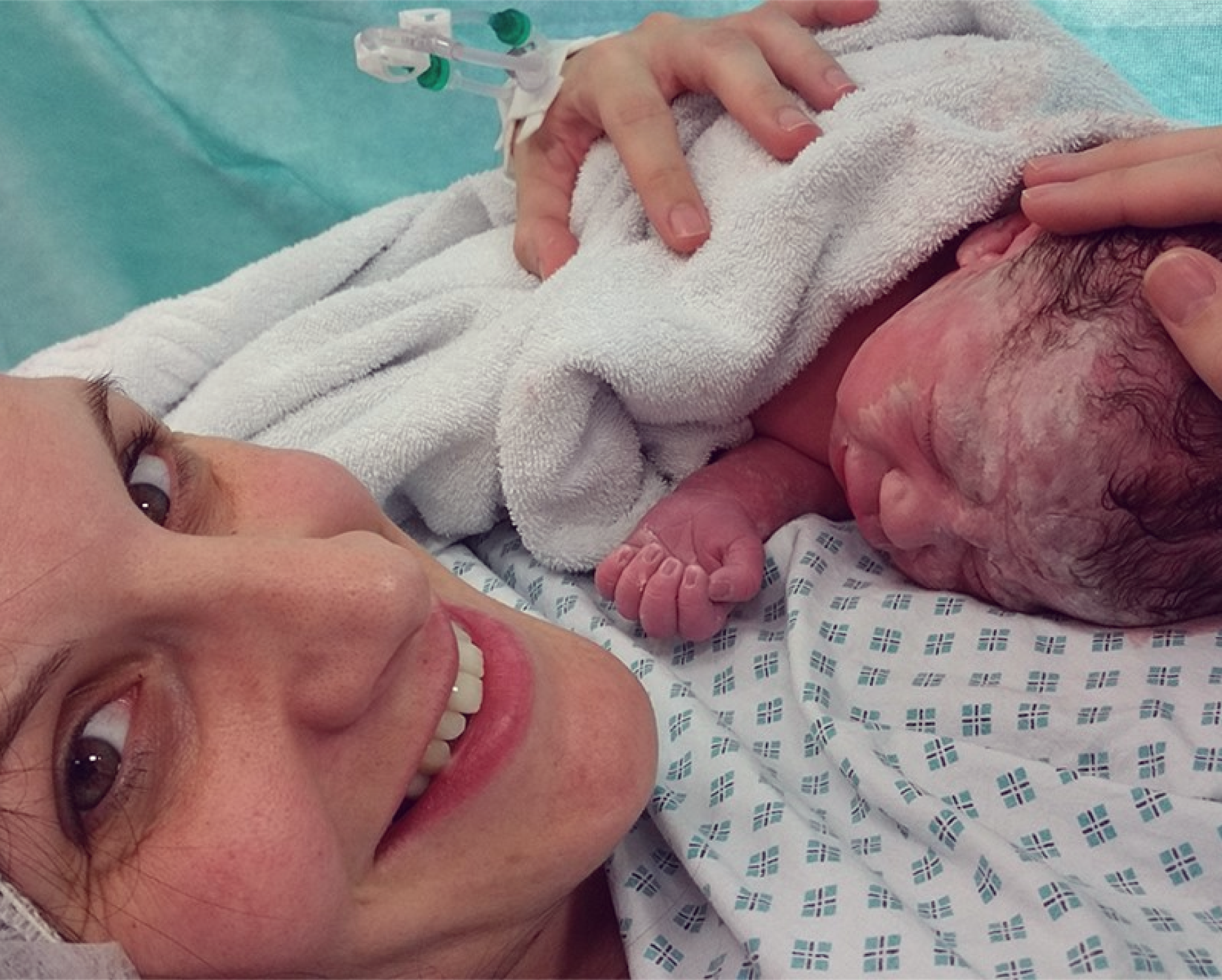
Alison
A difficult labour left Alison with a uterine and vaginal wall prolapse. A keyhole sacrohysteropexy with Mr Broome lifted the uterus back into place and let her go on to have a healthy second baby.
Read more
Conditions & Treatments
Leaking urine with a cough, a sneeze, a laugh or a run is called stress incontinence. It affects around one in three women at some point, and around half of women over 65.
At The Pelvic Clinic Mr Broome offers a full urogynaecology assessment, supervised pelvic floor training, urethral bulking injections and sling surgery, with an honest discussion of the risks and benefits of each.
Book an Appointment
Overview
Stress incontinence is the involuntary leakage of urine when the pressure inside the abdomen rises, typically with coughing, sneezing, laughing, lifting or exercise.
It happens when the muscles and ligaments that support the urethra and bladder neck weaken, so the urethra can no longer stay closed against a sudden rise in pressure.
What to Look For
A sudden small leak of urine every time you cough, sneeze or laugh.
Damp underwear, or a full leak, during running, jumping or spin class.
Losing a little urine when lifting a child, a shopping bag or heavy objects.
Using a pantyliner or pad every day just in case, even when not on your period.
Cutting back on the gym, trampolining or social plans because of leakage.
Worrying about smell, damp clothes or having to change during the day.
Stress incontinence is common but is not normal. First-line treatment is simple and works well for most women.
What Causes It
Several factors weaken the pelvic floor and the support of the urethra. The most common are described below.

Delivery stretches and can damage the nerves, muscles and connective tissue that support the bladder neck, and remains the biggest single risk factor for later stress leakage.

Oestrogen keeps the urethral lining and pelvic floor supportive tissues healthy. As levels fall in perimenopause and beyond, leakage often appears or worsens.

Repeated jumping, running or heavy lifting places sudden downward pressure on the pelvic floor. Over time this can weaken the support of the urethra.

A long-standing cough or persistent straining on the toilet repeatedly loads the pelvic floor, and both are strongly linked to stress incontinence.
Treatments Available
From pelvic floor rehabilitation to modern office procedures and specialist surgery, we choose the least invasive option that will work for you.
Supervised pelvic floor training with a specialist physio strengthens the muscles supporting the bladder. For many women it settles leakage entirely.
A low-dose oestrogen cream or pessary restores the strength and elasticity of the tissues around the urethra, particularly around and after menopause.
An office procedure that injects a soft gel around the urethra to close it against pressure. Recovery is same day with no cuts and minimal downtime.
A mesh-free sling made from your own tissue supports the urethra during cough, sneeze and exercise. The standard surgical option where bulking is not enough.


About Mr Broome
Mr Jonathan Broome (MBChB, MRCOG) is a Consultant Gynaecologist known locally and nationally for treating pelvic floor disorders such as urinary incontinence and prolapse, alongside heavy or painful periods, endometriosis, fibroids and menopausal problems. He founded The Pelvic Clinic to give women the time, care and clear answers their symptoms deserve.
In Our Patients’ Words
Verified reviews from patients seen by Mr Broome, shared through Doctify.
Real Patient Journeys
A snapshot of what treatment for stress incontinence can look like at The Pelvic Clinic.
A difficult labour left Alison with a uterine and vaginal wall prolapse. A keyhole sacrohysteropexy with Mr Broome lifted the uterus back into place and let her go on to have a healthy second baby.
Read more
Years of flooding periods and iron-deficiency anaemia caused by fibroids. A keyhole myomectomy with Mr Broome removed the fibroids, restored Jane’s iron levels within three months and brought her cycle back to normal.
Read more
Kate had been living with severe pelvic pain from endometriosis for over a decade. Laparoscopic excision surgery with Mr Broome removed the deposits and she returned to work and regular exercise pain-free.
Read more
After menopause Kaye developed a bothersome vaginal vault prolapse that stopped her running and swimming. A laparoscopic sacrocolpopexy with Mr Broome resolved the symptoms and she is back to daily exercise.
Read moreCommon Questions
Answers to the questions patients ask most often about stress incontinence, assessment and treatment options at The Pelvic Clinic.
Common is not the same as normal. Stress incontinence is very common but is not something you have to live with, and effective treatment is available at every stage.
A full history, an examination, a bladder diary and, in some cases, urodynamic testing to measure exactly how the bladder and urethra are behaving.
Supervised pelvic floor training with a specialist women’s health physiotherapist. Around 70 per cent of women with mild to moderate leakage improve significantly with this alone.
Small injections around the urethra that plump up the tissues so the urethra closes better. It is done under local anaesthetic and you go home the same day.
Following the UK pause on transvaginal mesh, mesh slings are only offered after full discussion. Fascial slings using your own tissue and bulking agents are usually preferred.
Most women go home the same day, are back to desk work at two weeks and back to running and heavy exercise at around twelve weeks.
It commonly does, particularly around and after menopause, so early treatment is easier and more effective than waiting until symptoms are severe.
Yes, and with treatment most women return fully to their sport. A structured return-to-run programme after any surgery or rehab is important.
No. Many women are treated successfully with physiotherapy and bulking injections. Surgery is only recommended when other options have not worked or are unsuitable.
Self-pay and insured patients are usually seen within a week or two. Investigations and physiotherapy referrals are arranged at the first appointment.