
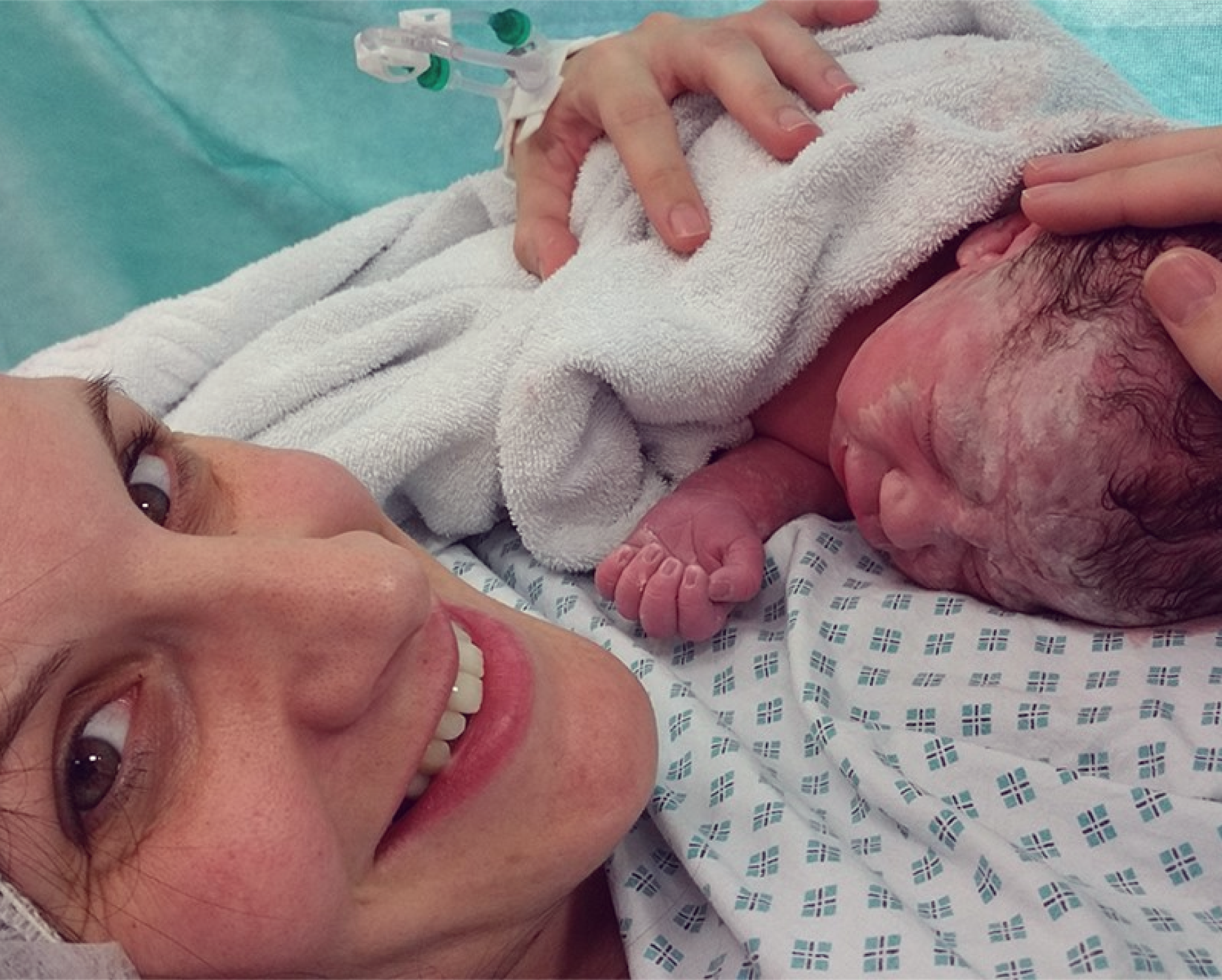
Alison
A difficult labour left Alison with a uterine and vaginal wall prolapse. A keyhole sacrohysteropexy with Mr Broome lifted the uterus back into place and let her go on to have a healthy second baby.
Read more
Treatments & Procedures
The Mirena intrauterine system (IUS) is a small T-shaped device that sits inside the womb and releases a low daily dose of levonorgestrel for up to eight years.
At The Pelvic Clinic Mr Broome fits, checks and removes the Mirena at Spire Manchester, with time in the appointment for you to ask questions before, during and after fitting.
Book an Appointment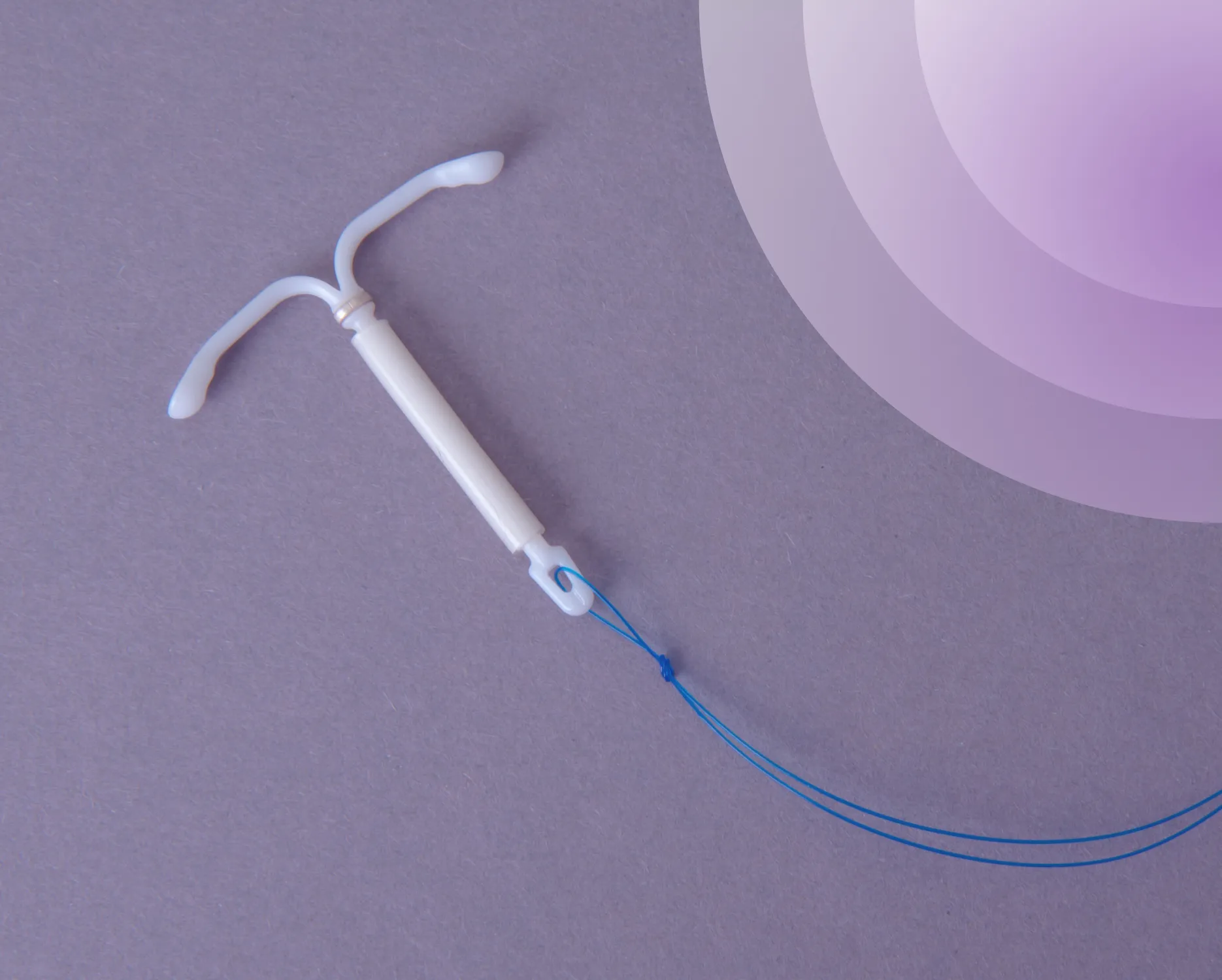

Overview
The Mirena is a levonorgestrel-releasing intrauterine system. It is licensed as a highly effective long-acting contraceptive, as first-line treatment for heavy periods, and as the progestogen half of HRT for the womb lining.
Once fitted, it is one of the most effective contraceptives available, with a failure rate of well under 1 per cent per year, and it typically reduces menstrual bleeding by around 90 per cent within a year.
Who It Suits
The Mirena is the first-line medical treatment for heavy menstrual bleeding without an obvious structural cause.
Women with a womb who take oestrogen HRT need progestogen protection; the Mirena can provide this for up to five years.
A discreet, reliable contraceptive that lasts up to eight years and does not need to be remembered daily.
The Mirena reduces prostaglandin release in the womb lining, easing period pain for many women.
For women with adenomyosis, the Mirena helps reduce pain and bleeding without needing surgery.
A hormonal option for treating simple hyperplasia of the womb lining without surgery, with regular biopsy follow-up.
The Mirena is not suitable for everyone. A short assessment before fitting confirms it is the right option and that fitting is safe on the day.
Step by Step
The fitting itself takes about five minutes and is done in clinic. The whole appointment usually takes 20 to 30 minutes.

A short discussion of your reason for the Mirena, medical history, current medications and any concerns about fitting.
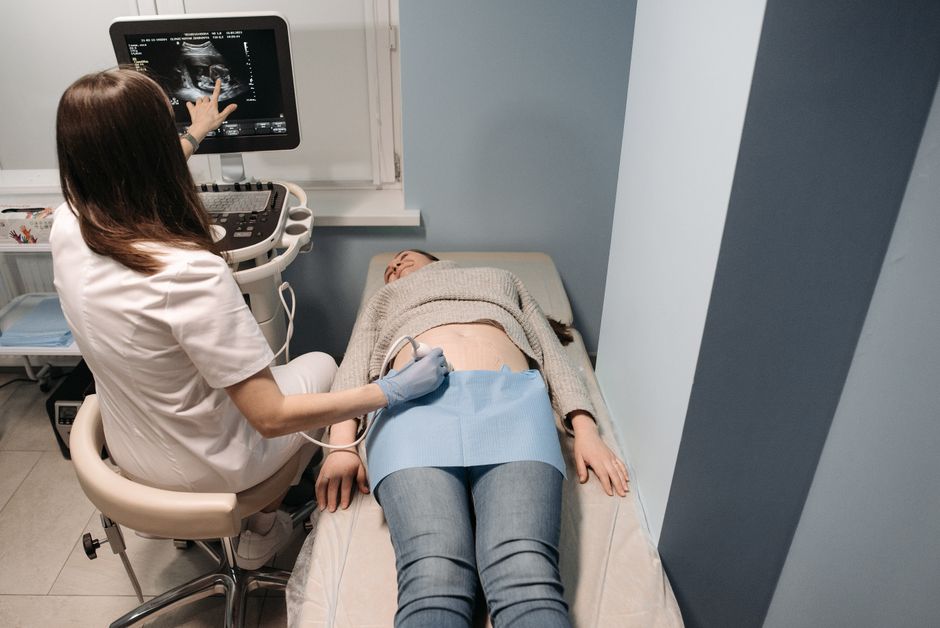
A gentle internal examination and, where useful, a bimanual exam to check the size and position of the womb.

The Mirena is passed through the neck of the womb using a fine applicator. Most women feel period-type cramps for 30 to 60 seconds.

The threads are trimmed, and you can rest for as long as you need before going home. A follow-up review is usually planned at six weeks.

About Mr Broome
Mr Jonathan Broome (MBChB, MRCOG) is a Consultant Gynaecologist known locally and nationally for treating pelvic floor disorders such as urinary incontinence and prolapse, alongside heavy or painful periods, endometriosis, fibroids and menopausal problems. He founded The Pelvic Clinic to give women the time, care and clear answers their symptoms deserve.
In Our Patients’ Words
Verified reviews from patients seen by Mr Broome, shared through Doctify.

Verified patient • 14 March 2026
“For the first time I felt genuinely listened to. Everything was explained clearly and I never felt rushed. The whole team were so kind and reassuring.”
Patient seen for:
Verified patient • 02 February 2026
“After years of struggling I finally had a plan. Calm, kind and completely professional throughout. I would not hesitate to recommend Mr Broome.”
Patient seen for:
Verified patient • 19 January 2026
“Discreet, thorough and reassuring. I wish I had come sooner rather than waiting so long in discomfort. The follow-up care was exceptional.”
Patient seen for:
Verified patient • 05 December 2025
“The consultation felt unhurried and I left with a clear plan. My recovery from surgery was much easier than I expected and the practice team kept in touch throughout.”
Patient seen for:
Verified patient • 18 November 2025
“Excellent expertise combined with genuine warmth. I finally have answers after years of being told it was just my age. Truly grateful to Mr Broome and his team.”
Patient seen for:
Verified patient • 30 October 2025
“Professional and personal in equal measure. Every question was answered patiently and I felt in safe hands from the first appointment onwards.”
Patient seen for:
Real Patient Journeys
A snapshot of what Mirena fitting can achieve at The Pelvic Clinic.
A difficult labour left Alison with a uterine and vaginal wall prolapse. A keyhole sacrohysteropexy with Mr Broome lifted the uterus back into place and let her go on to have a healthy second baby.
Read more
Years of flooding periods and iron-deficiency anaemia caused by fibroids. A keyhole myomectomy with Mr Broome removed the fibroids, restored Jane’s iron levels within three months and brought her cycle back to normal.
Read more
Kate had been living with severe pelvic pain from endometriosis for over a decade. Laparoscopic excision surgery with Mr Broome removed the deposits and she returned to work and regular exercise pain-free.
Read more
After menopause Kaye developed a bothersome vaginal vault prolapse that stopped her running and swimming. A laparoscopic sacrocolpopexy with Mr Broome resolved the symptoms and she is back to daily exercise.
Read moreCommon Questions
Answers to the questions patients ask most often about the Mirena at The Pelvic Clinic.
Most women feel period-type cramps for 30 to 60 seconds as the coil is passed through the cervix. Ibuprofen an hour before helps, and local anaesthetic is available if you would prefer.
Up to eight years for contraception, and up to five years for endometrial protection on HRT or for heavy periods.
For contraception, the Mirena is effective immediately if fitted in the first seven days of your cycle, and after seven days otherwise.
Around one in five women have no periods after a year, and most others have much lighter, shorter periods. Some spotting in the first three months is common.
Yes. It is safe and effective in women who have not had children, though fitting may be slightly less comfortable.
Expulsion is uncommon, at around 1 in 20 women. Self-checking the threads once a month picks it up early if it happens.
The Mirena works mostly locally, so hormonal side effects are usually mild. Some women notice mood, skin or breast changes in the first few months.
Yes, at any time. Removal is quick and simple, and fertility returns immediately.
Studies do not show a clear link between the Mirena and weight gain, though a small number of women feel their weight changes after fitting.
Self-pay and insured patients are usually seen within one to two weeks. Fitting is often done at the first appointment where appropriate.