
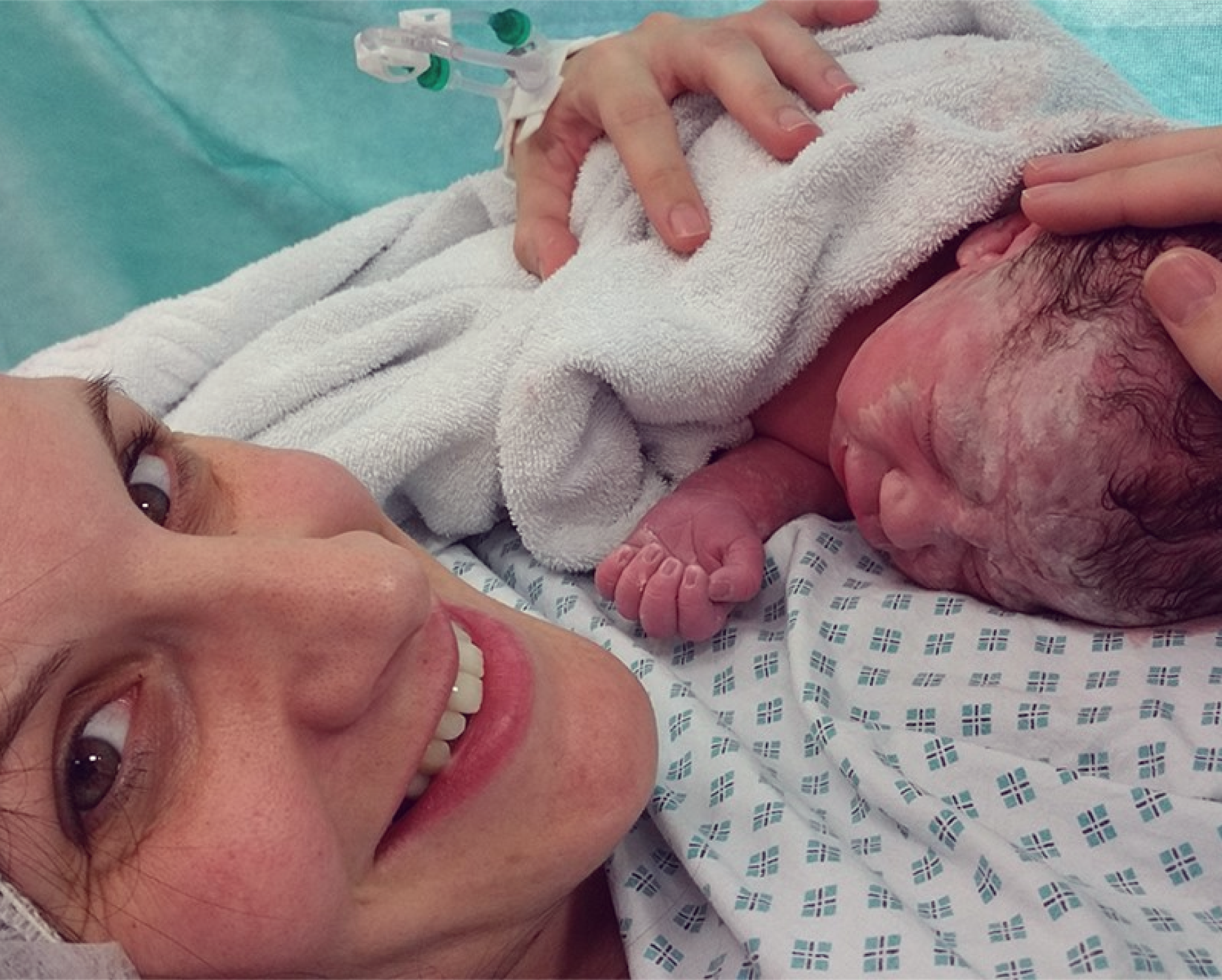
Alison
A difficult labour left Alison with a uterine and vaginal wall prolapse. A keyhole sacrohysteropexy with Mr Broome lifted the uterus back into place and let her go on to have a healthy second baby.
Read more
Treatments & Procedures
Sacrohysteropexy is a keyhole operation that lifts a prolapsed womb back into place and anchors it to the sacrum with a small strip of mesh, without a hysterectomy.
At The Pelvic Clinic Mr Broome performs sacrohysteropexy laparoscopically. Most women are home the next day and back to full activity within twelve weeks.
Book an Appointment

Overview
Sacrohysteropexy uses a small strip of polypropylene mesh to hold the cervix and womb up to the strong ligament in front of the sacrum. The mesh sits behind the peritoneum, not in the vagina.
It is a modern uterus-sparing alternative to vaginal repair or hysterectomy, with excellent long-term outcomes and no impact on future pregnancy.
Who It Suits
A prolapse of the womb causing a bulge, dragging feeling or bladder and bowel symptoms.
For women who want to preserve the womb, either for future pregnancy or for personal reasons.
Where pessary and pelvic floor training have not controlled the prolapse to your satisfaction.
For runners, cyclists and women whose sport puts pressure on the pelvic floor, a firm long-lasting repair matters.
For a prolapse that has come back after a previous vaginal repair.
A mesh route that avoids the vagina, following the UK pause on transvaginal mesh.
Sacrohysteropexy suits many but not all women with uterine prolapse. The right operation is chosen with you at the consultation.
Step by Step
The operation is done under general anaesthetic and normally takes 90 to 120 minutes.
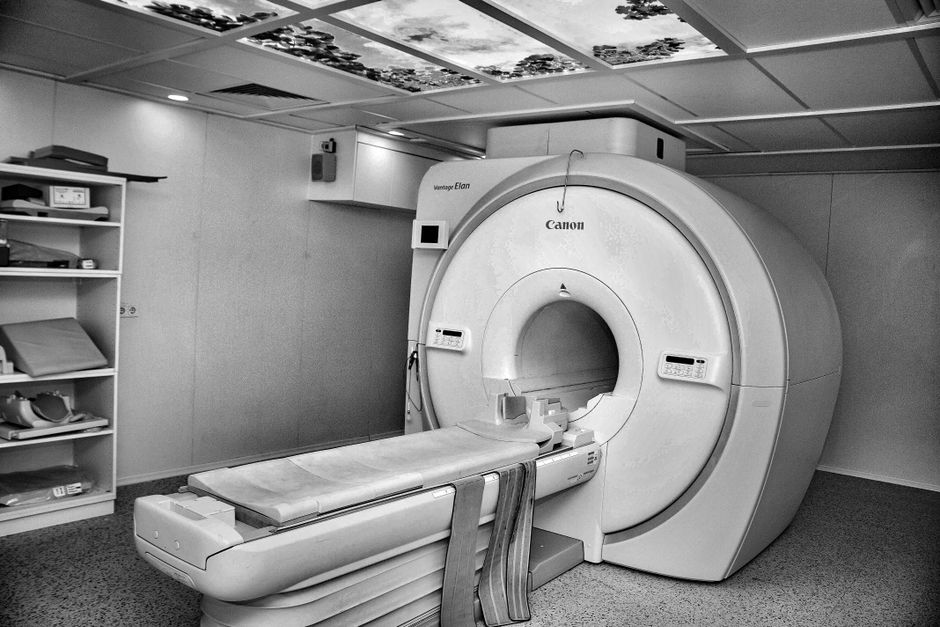
A pre-op appointment with a full examination, blood tests, an ECG where needed and a clear discussion of risks and alternatives.
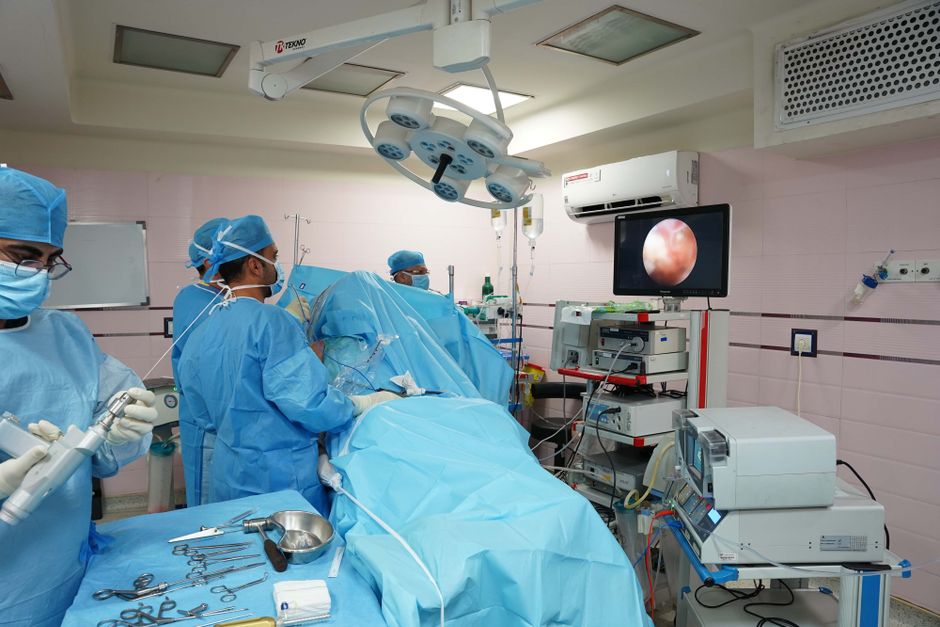
Four small cuts allow a camera and instruments in. The peritoneum over the cervix and sacrum is opened.
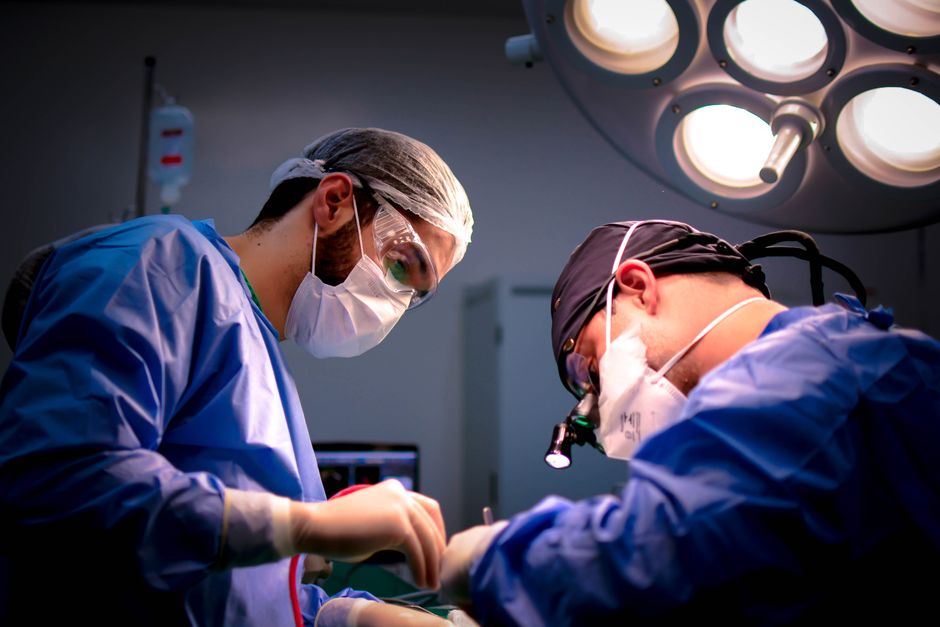
A narrow strip of mesh is attached to the front and back of the cervix and to the ligament in front of the sacrum, lifting the womb into place.
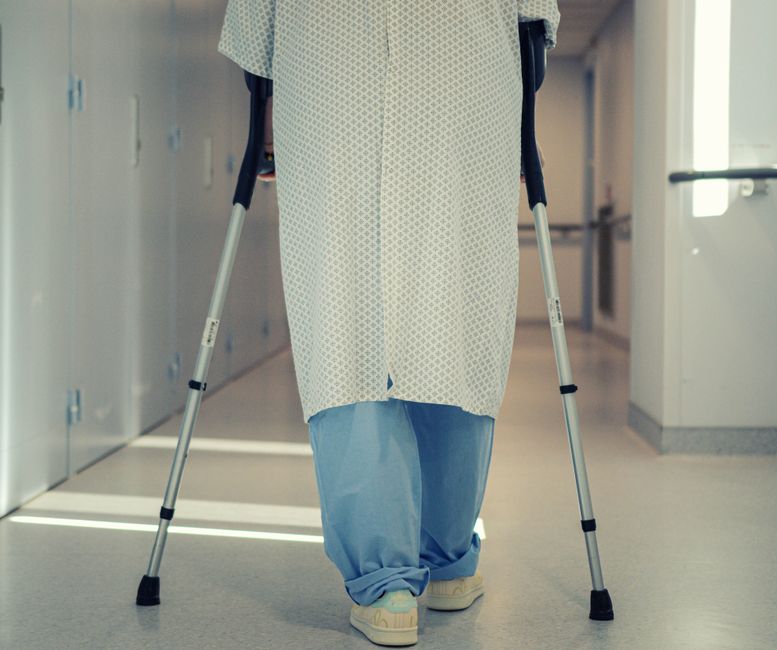
You wake up in recovery, are up and walking a few hours later, and are usually home the next morning.
About Mr Broome
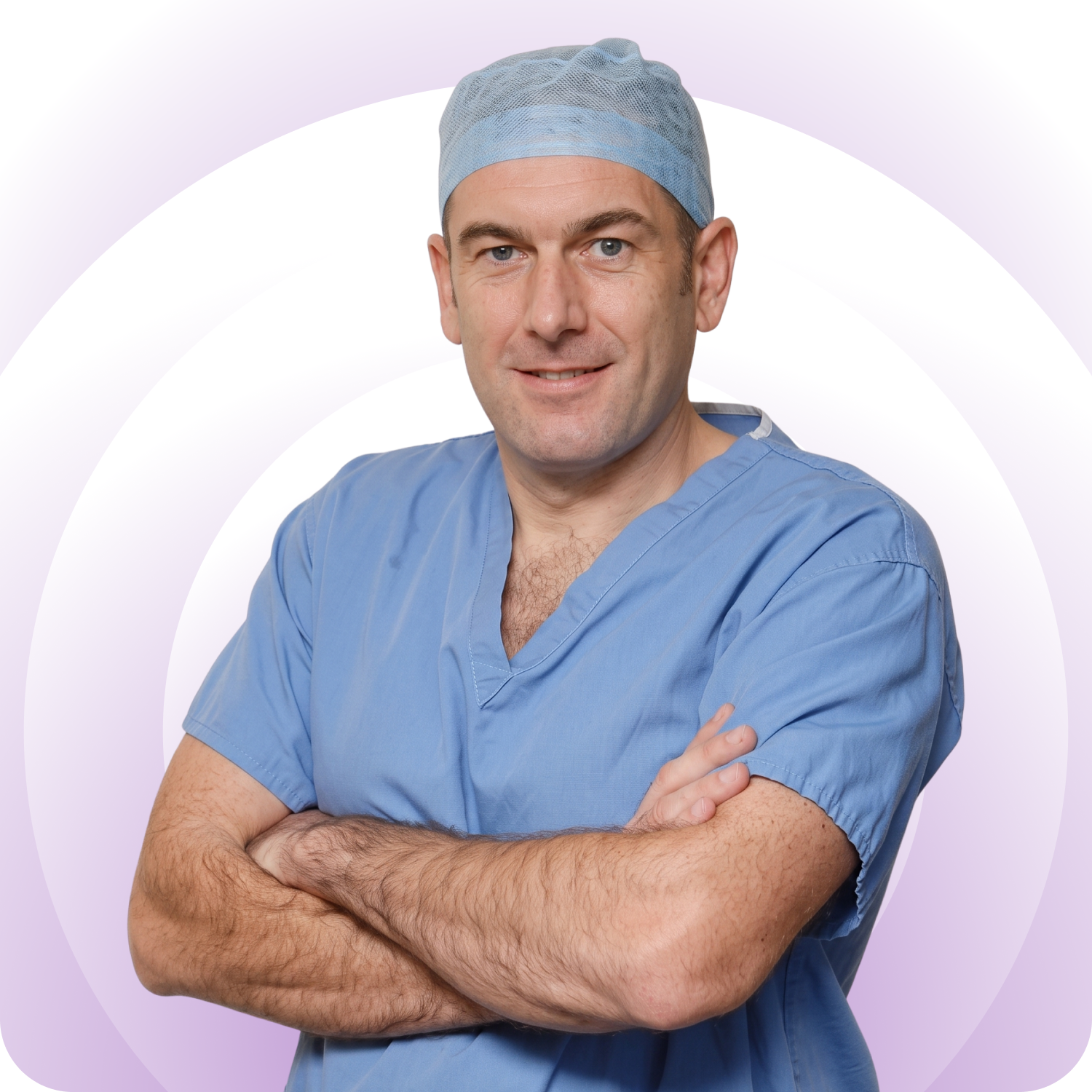
Mr Jonathan Broome (MBChB, MRCOG) is a Consultant Gynaecologist known locally and nationally for treating pelvic floor disorders such as urinary incontinence and prolapse, alongside heavy or painful periods, endometriosis, fibroids and menopausal problems. He founded The Pelvic Clinic to give women the time, care and clear answers their symptoms deserve.
In Our Patients’ Words
Verified reviews from patients seen by Mr Broome, shared through Doctify.

Verified patient • 14 March 2026
“For the first time I felt genuinely listened to. Everything was explained clearly and I never felt rushed. The whole team were so kind and reassuring.”
Patient seen for:
Verified patient • 02 February 2026
“After years of struggling I finally had a plan. Calm, kind and completely professional throughout. I would not hesitate to recommend Mr Broome.”
Patient seen for:
Verified patient • 19 January 2026
“Discreet, thorough and reassuring. I wish I had come sooner rather than waiting so long in discomfort. The follow-up care was exceptional.”
Patient seen for:
Verified patient • 05 December 2025
“The consultation felt unhurried and I left with a clear plan. My recovery from surgery was much easier than I expected and the practice team kept in touch throughout.”
Patient seen for:
Verified patient • 18 November 2025
“Excellent expertise combined with genuine warmth. I finally have answers after years of being told it was just my age. Truly grateful to Mr Broome and his team.”
Patient seen for:
Verified patient • 30 October 2025
“Professional and personal in equal measure. Every question was answered patiently and I felt in safe hands from the first appointment onwards.”
Patient seen for:
Real Patient Journeys
A snapshot of what sacrohysteropexy can achieve at The Pelvic Clinic.
A difficult labour left Alison with a uterine and vaginal wall prolapse. A keyhole sacrohysteropexy with Mr Broome lifted the uterus back into place and let her go on to have a healthy second baby.
Read more
Years of flooding periods and iron-deficiency anaemia caused by fibroids. A keyhole myomectomy with Mr Broome removed the fibroids, restored Jane’s iron levels within three months and brought her cycle back to normal.
Read more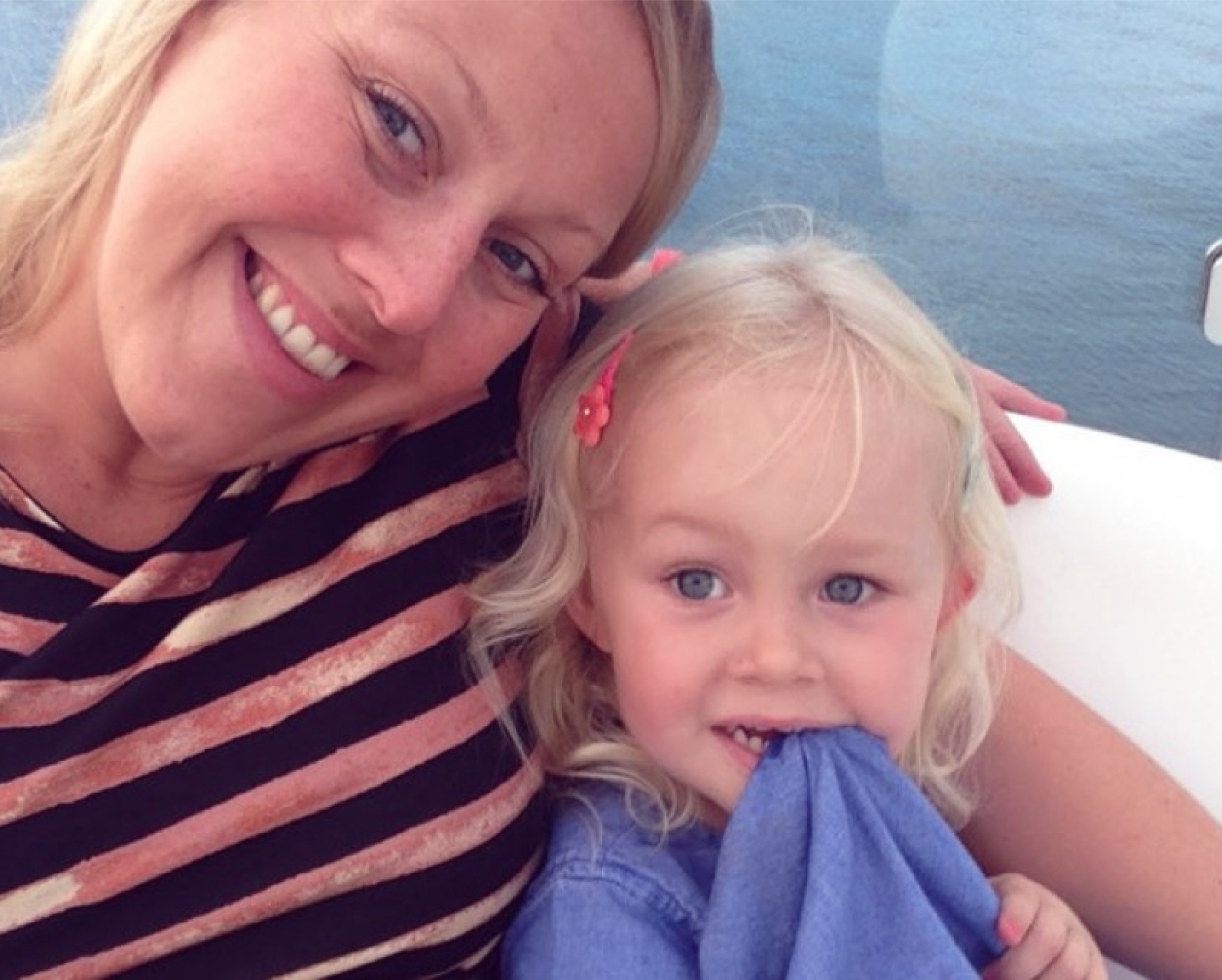
Kate had been living with severe pelvic pain from endometriosis for over a decade. Laparoscopic excision surgery with Mr Broome removed the deposits and she returned to work and regular exercise pain-free.
Read more
After menopause Kaye developed a bothersome vaginal vault prolapse that stopped her running and swimming. A laparoscopic sacrocolpopexy with Mr Broome resolved the symptoms and she is back to daily exercise.
Read moreCommon Questions
Answers to the questions patients ask most often about sacrohysteropexy at The Pelvic Clinic.
No. Sacrohysteropexy uses abdominal mesh placed behind the peritoneum, not in the vagina. The UK pause on transvaginal mesh does not apply to this route.
Usually 90 to 120 minutes, depending on the anatomy and whether any other procedure is being combined.
Most women go home the next morning. A same-day discharge is possible for some patients.
When you can perform an emergency stop without hesitation, typically at two to three weeks.
Walking straight away, gentle exercise at four weeks and full high-impact exercise at twelve weeks.
Yes. Sacrohysteropexy is designed to keep the womb, and future pregnancy is not contraindicated. Delivery is usually planned by caesarean.
Bleeding, infection, injury to the bladder, bowel or ureter, blood clots and, rarely, mesh complications. Serious complications are uncommon in experienced hands.
Long-term success rates are around 85 to 95 per cent, comparable to or better than traditional vaginal repair.
No. Mesh-free repairs are always discussed first. Sacrohysteropexy is offered when its advantages match your specific situation and goals.
Self-pay and insured patients are usually seen within one to two weeks. Surgery is normally booked within four to six weeks of the decision.